Peru's Fujimori Declares State of Emergency, Seeks 120-Day Emergency Legislative Powers from Congress
- Input
- 2026-08-29 07:26:13
- Updated
- 2026-08-29 07:26:13
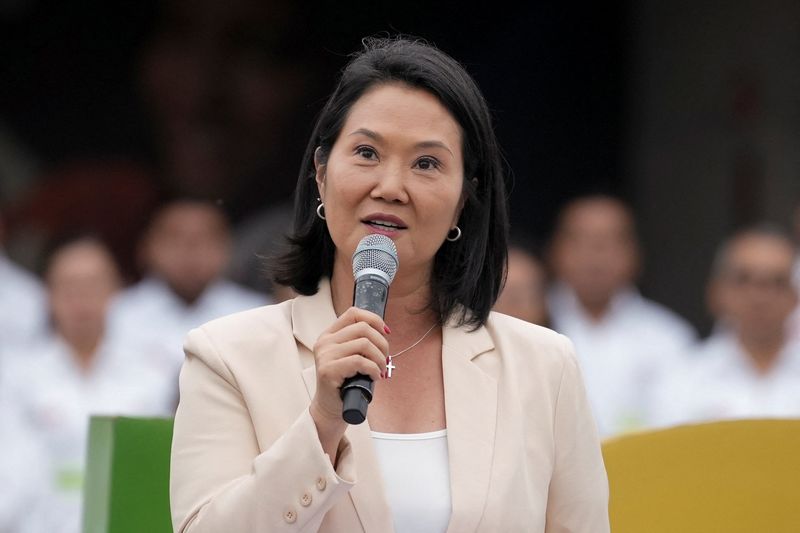
Keiko Fujimori, who was elected on the back of Peru's public security crisis, has been pushed into a serious crisis just one month into her term because of that very same security problem.
Peruvian daily La República reported on the 28th (local time) that the Peruvian government declared a 60-day state of emergency across Lima and neighboring Callao Province. The move comes amid worsening public safety.
According to UPI, President Fujimori, who has been cornered by a string of violent crimes even after taking office, also asked Congress on the same day for 120 days of emergency legislative powers, which would allow the government to legislate on its own.
State of emergency
According to La República, Peru recorded 151 murders nationwide in the month since Fujimori took office. Of those, 75.5% were committed with firearms. Lima, where 48 people were killed, posted the country's highest crime rate among cities.
The state of emergency was declared to allow the military to intervene in public security in response to the surge in violent crime and gun-related killings. As a result, some constitutional rights, including those related to residence, movement, assembly and personal freedom, will be restricted or suspended.
Strong measures are also being implemented in prisons to prevent criminal plotting. To stop mobile phone charging, power will be cut in cells except for the minimum electricity needed for lighting, and illegal communication antennas will be removed.
Emergency legislative powers
Beyond temporary measures such as the state of emergency, the Fujimori administration has asked Congress for 120 days of emergency legislative powers in order to institutionalize its key pledge, the so-called "Shield Plan."
The Shield Plan calls for joint military-police patrols, deployment to high-crime areas, and giving the military responsibility for prison administration and border security. It also includes tougher criminal penalties through revisions to the penal code and expanded police investigative powers.
The Fujimori government also wants to use emergency legislative powers to sharply curb workers' rights. To reduce the share of informal labor, which stands at about 70%, it plans to cut non-wage labor costs for companies. It also intends to make traditional welfare benefits, negotiated through individual and collective labor agreements, more flexible. Labor groups are expected to push back.
It remains unclear, however, whether Congress will accept the request for emergency legislative powers.
A majority of at least 66 votes is needed in the 130-seat lower house, but the ruling party does not hold enough seats to clear that threshold. It must secure at least 10 additional votes through negotiations with the opposition.
Fujimori, who took office on the 28th of last month, has already been thrown into a fight for political survival amid an acute public security crisis.
[email protected] Song Kyung-jae Reporter