U.S. Restrictions on International Student Internships Raise Fears of Blocked Job Paths
- Input
- 2026-08-29 05:54:00
- Updated
- 2026-08-29 05:54:00
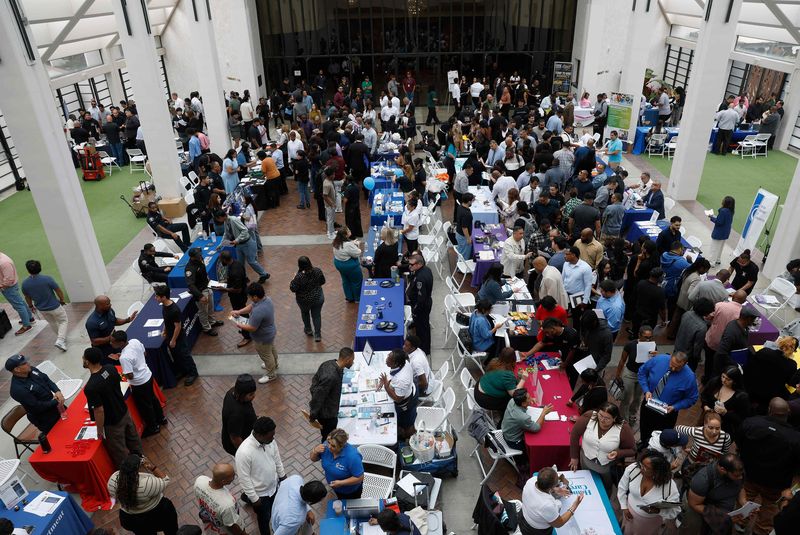
The Donald Trump administration has moved to restrict internships for international students as well. After tightening post-graduation employment programs and raising the bar for student visa issuance, it is now making internships harder for current students too. The path to jobs through studying in the United States is narrowing further.
According to foreign media including The Wall Street Journal (WSJ) and AP on the 28th local time, the Department of Homeland Security (DHS) recently sent a memo to universities outlining stricter conditions for international student internships.
Until now, international students could work as interns during summer break and other periods with only a student visa, but that will now be restricted.
DHS changed the rules so that internships are allowed only when there is an agreement between a university and an employer, and when the curricular practical training (CPT) is mandatory for all students in that major. It warned that universities violating the rule could lose authorization to enroll foreign students.
Summer internships, which can last around three months, are one of the key credentials international students need to build in order to land jobs at U.S. companies after graduation. Restricting them effectively means blocking job opportunities. The move is aimed at stopping international students from taking jobs from U.S. college graduates.
The University of California, Los Angeles (UCLA) has already temporarily suspended CPT approvals, and the University of California, Berkeley (UC Berkeley) and the University of Illinois (UIUC) have also warned international students that related opportunities may shrink.
The Trump administration, which has been focusing heavily on immigration restrictions, is also hostile toward foreign students, a channel for securing highly skilled workers. It has recently rolled out a series of related policies.
Last month, it limited the stay of international students holding F visas and exchange visitors holding J visas to a maximum of four years.
It is also reportedly considering imposing a $100,000 fee on the Optional Practical Training (OPT) program, which allows foreign graduates of U.S. universities and graduate schools to seek jobs on student visas.
[email protected] Song Kyung-jae Reporter