"Not All Cholesterol Is Bad"... HDL, the Body's Cleaner, and LDL, the Troublemaker [Health Talk]
- Input
- 2026-08-30 10:00:00
- Updated
- 2026-08-30 10:00:00
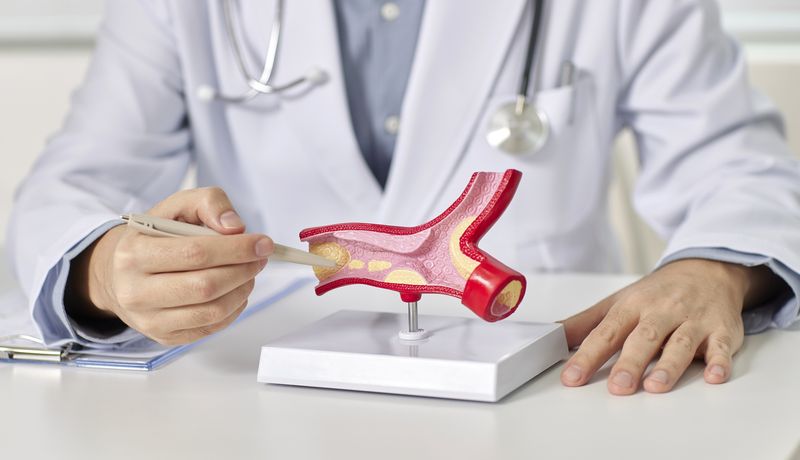
[Financial News] September 4 is "Cholesterol Day," designated by The Korean Society of Lipid and Atherosclerosis (KSoLA). There is growing recognition of the need for a more accurate understanding of cholesterol, a major cause of cardiovascular and cerebrovascular disease.
A man in his 50s, identified as A, recently underwent a national health screening at a general hospital near his home. After seeing unfamiliar English terms on the test results and being told that his bad cholesterol level was high and that he was at risk of disease, he suddenly wondered, "Isn't all cholesterol bad?"
Park Hyo-jung, head of the Hypertension and Diabetes Center at Elijah Hospital and an internal medicine specialist, explained, "When cholesterol builds up beyond what the body needs, fat can accumulate on blood vessel walls, leading not only to dyslipidemia but also to cardiovascular diseases such as hypertension and atherosclerosis." She added, "It can also contribute to adult diseases such as diabetes and obesity, so cholesterol management is important."
However, cholesterol is divided into good cholesterol and bad cholesterol. It is important to understand the difference correctly.
Good cholesterol vs. bad cholesterol: What's the difference?
Cholesterol is a type of lipid found in the body. It provides energy, forms cell membranes, and serves as a raw material for steroid hormones and bile acids, making it an essential nutrient for sustaining life. Blood tests during health screenings can measure total cholesterol, LDL (low-density lipoprotein) cholesterol, HDL (high-density lipoprotein) cholesterol, and triglycerides. LDL and HDL are lipoproteins that transport cholesterol, while triglycerides are a separate type of lipid.
The good and bad sides of cholesterol that A was curious about are simplified expressions. LDL is commonly called bad cholesterol, while HDL is commonly referred to as good cholesterol. High total cholesterol or LDL cholesterol is called hypercholesterolemia, and high triglycerides are called hypertriglyceridemia. When lipids, including cholesterol and triglycerides, are elevated in the blood, the condition is diagnosed as hyperlipidemia. Together, these conditions are referred to as dyslipidemia.
By contrast, HDL cholesterol removes waste and LDL cholesterol that have accumulated on blood vessel walls and carries them to the liver for elimination, helping prevent atherosclerosis and cardiovascular disease. If HDL levels are too low, the risk of cardiovascular disease rises. Extremely high levels, due to genetic factors or certain diseases, can also cause health problems.
In general, total cholesterol below 200 mg/dL, triglycerides below 150 mg/dL, LDL at 130 mg/dL or lower, and HDL at 60 mg/dL or higher are considered appropriate levels. However, the treatment target for LDL cholesterol may vary depending on cardiovascular risk and underlying conditions.
Cardiovascular and cerebrovascular diseases account for 16% to 19% of deaths in Korea
According to the main findings of the 2022 statistics on the incidence of cardiovascular and cerebrovascular diseases released by the Korea Disease Control and Prevention Agency (KDCA), cardiovascular and cerebrovascular diseases account for 16% to 19% of all deaths in Korea. These include ischemic heart disease such as myocardial infarction and angina, heart diseases such as heart failure, cerebrovascular diseases such as stroke, and conditions caused by hypertension, diabetes, hyperlipidemia, and atherosclerosis. In particular, heart disease ranked second among all causes of death at 65.7 deaths per 100,000 people, while cerebrovascular disease ranked fourth at 48.2 deaths per 100,000 people, representing a very high share among the leading causes of death.
Park advised, "If you improve a high-calorie diet and maintain a healthy weight through regular exercise, you can lower cholesterol levels and, in the long term, reduce the risk of death from cardiovascular and cerebrovascular diseases."
She also emphasized, "As in A's case, it is important to actively participate in periodic national health screenings, check your cholesterol levels regularly, and receive treatment when necessary after consulting medical staff."
Obesity and being overweight raise triglyceride and LDL cholesterol levels, so maintaining a healthy weight is essential. A high-calorie diet causes the liver to produce more cholesterol to store excess calories in the body, which is why intake of saturated fat and trans fat should be reduced.
Smoking raises total cholesterol, LDL cholesterol, and triglycerides. Drinking alcohol also contributes to higher triglyceride levels, so quitting smoking and drinking in moderation are important for cholesterol management. In particular, people with underlying conditions such as diabetes, liver disease, kidney disease, hypothyroidism, or a family history of these conditions should undergo regular checkups and manage their health carefully.
[email protected] Medical Reporter Jung Myung-jin Reporter