More Than Half of Universal Public Rental Housing to Go to Young People... Jeonse Housing and Monthly Rent Support to Expand
- Input
- 2026-08-28 17:47:57
- Updated
- 2026-08-28 17:47:57
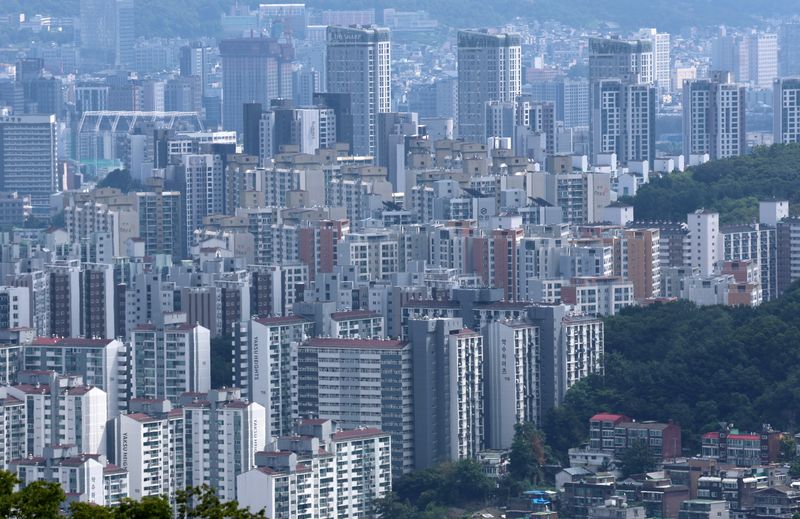
On the 28th, the South Korean government held the 'Youth Budget Unboxing 2027' event at Chungmu Hall in Cheong Wa Dae, presided over by the President, and announced the joint 'Comprehensive Investment Strategy by Youth Growth Stage' by relevant ministries. The youth housing measures focus on expanding public rental and jeonse housing supply while easing the burden of monthly rent and guarantee fees.
First, more than 50% of the newly introduced Universal Public Rental Housing supply will be allocated to young people. The aim is to broaden access to public rental housing so that young people can use it according to their individual circumstances, such as income and assets.
Jeonse housing support will also be expanded. The government plans to introduce new Youth Universal Jeonse Housing with higher support limits than before, giving young people, including those entering the workforce for the first time, more options for jeonse housing.
As a direct housing cost measure, the government will expand the Youth Monthly Rent Support program. It will also increase support for the Deposit Return Guarantee fee that tenants must pay when signing a jeonse contract, with the goal of reducing costs for both monthly renters and jeonse tenants.
The measures were prepared against the backdrop of delayed entry into first jobs among young people and widening asset gaps. As of July this year, the number of people in their 20s and 30s who were not engaged in any significant economic activity stood at 651,000, up 240,000 from July 2016. The asset gap between older adults and young people widened from 2.4 times in 2012 to 3.9 times in 2024.
The government plans to increase youth growth-stage investment, covering jobs and startups, education, housing and assets, and daily life and culture, by 53.5% from 28.2 trillion won this year to 43.3 trillion won next year. Assuming a first-born child in a preferential local area in 2027 and parents with income at 100% of the median income, the support an individual could receive was estimated at up to 140.57 million won by age 18 and up to 195.82 million won by age 34.
Financial support for early independence and asset building among young people will also be linked to housing measures. The Youth Opportunity Fund, provided to young people preparing for employment or starting a business, will waive interest during the grace period. The government will also promote asset-building programs such as Youth Future Savings and tax deductions for Productive Finance ISA accounts.
To improve policy accessibility, the government plans to link policy search and application functions on platforms such as OnTongYouth and Employment 24, while using Artificial Intelligence (AI) to recommend support programs tailored to each individual. A Future Response Fund will be established using additional tax revenue to finance growth-stage programs, including those related to housing and assets.
[email protected] Choi Ga-young Reporter