Acupuncture Injection That Relieved Pain Also Helped Control Inflammation [Health Check]
- Input
- 2026-08-30 08:00:00
- Updated
- 2026-08-30 08:00:00
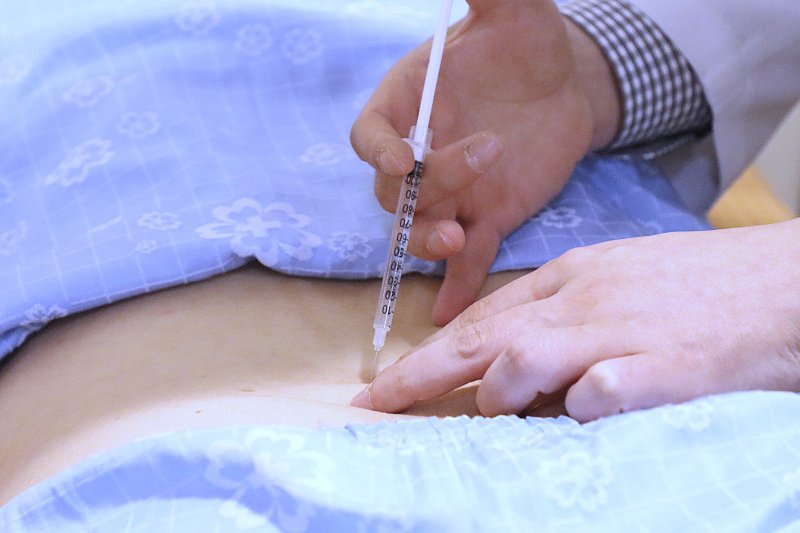
[Financial News] A study has found that Soyeomjetong acupuncture injection, used in Korean medicine for musculoskeletal disorders accompanied by pain and inflammation, suppresses the activation of the NLRP3 inflammasome, which is involved in chronic inflammation.
Through experiments on zebrafish and immune cells, the research team confirmed that Soyeomjetong acupuncture injection reduces the accumulation of neutrophils and macrophages at inflamed sites and inhibits the activation and assembly of the NLRP3 inflammasome.
The NLRP3 inflammasome is an immune complex that detects danger signals caused by infection or cell damage and triggers an inflammatory response. Once activated, it promotes the release of inflammatory substances such as IL-1β and IL-18, helping the body respond to injury. However, if this response becomes too strong or lasts too long, it can damage healthy tissue and lead to chronic inflammation. For this reason, the NLRP3 inflammasome has drawn attention as a key research target for controlling excessive responses in inflammatory diseases. At present, there are no clinically approved direct inhibitors, so research continues to identify new therapeutic candidates.
Soyeomjetong acupuncture injection is a formulation made by extracting and refining peony root, licorice, and Corydalis. In Korean medicine, it is used for musculoskeletal disorders accompanied by pain and inflammation. A prescription combining peony root and licorice has traditionally been used to relieve pain and treat muscle and joint disorders, while Corydalis is also known for its analgesic and anti-inflammatory properties. Although studies have shown that the main components of each herb can reduce inflammatory responses, it had not been clearly established which immune pathways are involved in Soyeomjetong acupuncture injection, which combines all three herbs. The research team therefore analyzed how the injection affects the NLRP3 inflammasome and its specific anti-inflammatory mechanism.
The team examined the effects of Soyeomjetong acupuncture injection using zebrafish models with induced inflammation and tail-injury models. As a result, the number of neutrophils gathering at inflamed sites decreased, and markers related to macrophages also declined. Expression of the NLRP3 gene, which drives inflammatory responses, was also reduced. In immune cell experiments, the secretion of the inflammatory substance IL-1β decreased as the concentration of Soyeomjetong acupuncture injection increased. By contrast, it had no clear effect on other types of inflammatory complexes, suggesting that the injection may act selectively on the NLRP3 inflammasome.
The researchers also analyzed which stage of the inflammatory response is affected by Soyeomjetong acupuncture injection. The results showed that it had little impact on the early signals that initiate inflammation. Instead, it inhibited the process by which ASC proteins bind together to form the NLRP3 inflammasome. This confirmed that the injection does not block inflammation from the outset, but rather acts on the process of forming the complex that triggers it.
The team also analyzed the main components and content of Soyeomjetong acupuncture injection. Through Ultra Performance Liquid Chromatography (UPLC) analysis, which identifies the types and amounts of ingredients, they confirmed three marker compounds: glycyrrhizic acid, albiflorin, and paeoniflorin. Their contents per 1 g were 29.18 mg of glycyrrhizic acid, 53.01 mg of albiflorin, and 66.05 mg of paeoniflorin. These findings can serve as basic data for maintaining consistent quality in Soyeomjetong acupuncture injection and for conducting follow-up experiments under the same conditions.
Professor Park Yeon-cheol of the Department of Acupuncture and Moxibustion at Kyung Hee University Hospital at Gangdong said, "This study is meaningful not only because it confirmed the anti-inflammatory effect of Soyeomjetong acupuncture injection, but also because it identified the specific mechanism by which it acts on the NLRP3 inflammasome." He added, "It is also significant as a collaborative study that combines the clinical experience of a Korean medicine hospital in acupuncture injection with the immunology research capabilities of a medical school." The research team plans to identify the active ingredients and targets of Soyeomjetong acupuncture injection in the future, and to verify its efficacy, safety, and appropriate dosage through disease models.
This study was jointly conducted by Professors Baek Yong Hyeon and Park Yeon-cheol of the Department of Acupuncture and Moxibustion at Kyung Hee University Hospital at Gangdong, Professor Lee Yoon-sung of Kyung Hee University School of Medicine, and Professor Park Yong-hwan of Ajou University School of Medicine. The findings were published in the latest issue of the international journal Frontiers in Pharmacology.
[email protected] Medical Reporter Jeong Myeong-jin Reporter