Election watchdog special prosecutor team prepares for launch around July 7
- Input
- 2026-08-28 17:27:20
- Updated
- 2026-08-28 17:27:20
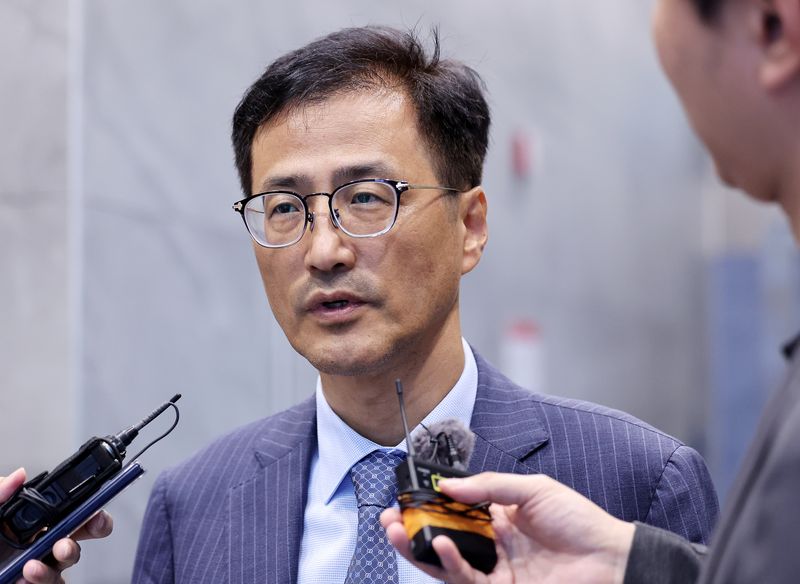
According to the legal community on the 28th, Special Prosecutor Lee Tae-han selected 10 candidates for deputy special prosecutor on the 26th and recommended them to President Lee Jae-myung. Since the post has five vacancies, twice that number was submitted. If the president appoints five of them, the investigation leadership will be in place. Lee has said that he placed the highest priority on forensic capabilities and investigative skills when selecting candidates, while also considering political neutrality, objectivity and public reputation.■ Prosecutors from the joint task force to join this weekThe process of dispatching prosecutors, police officers and government officials to lead the investigation is also moving quickly, with the goal of being completed by July 4. Some prosecutors from the Joint Investigation Headquarters of Prosecutors and Police, led by Kim Tae-hoon, third deputy chief prosecutor at the Seoul Central District Prosecutors' Office, are said to have joined the special prosecutor team. Specifically, Jin Se-eon and Gu Jae-yeon of the Public Investigation Division 2 at the Seoul Central District Prosecutors' Office are among those reported to have joined.
The joint task force was launched on June 9 and has been operating with 10 dispatched prosecutors, 28 police officers and 17 prosecution investigators. The Public Investigation Division 2 at the Seoul Central District Prosecutors' Office, which handles election crime cases, has had all of its prosecutors dispatched to the joint task force for two months. In the legal community, many expect that a large number of the task force's personnel will move to the special prosecutor team to ensure continuity in the investigation.
It remains to be seen, however, whether the remaining positions can be filled on time. If prosecutors with experience in election crime investigations are dispatched to the special prosecutor team, the handling of election cases they were overseeing could be delayed, and some frontline prosecutors' offices are reportedly reluctant to approve such dispatches.■ "Please organize the summary of criminal facts and future investigative needs"The special prosecutor team has asked the joint task force to hand over its records in the form of an interim report that organizes the summary of criminal facts investigated by topic so far, the evidence collected, the judgments made and the issues that will require further investigation. The aim appears to be to secure not only the records themselves but also the context of the investigation and the basis for its judgments, thereby moving up the start date.
Since its launch, the joint task force has focused its investigation on the circumstances behind the lowering of the minimum threshold for printing ballots for the main vote from 60 percent to 50 percent. It later expanded the scope to include allegations over the disposal of ballot storage boxes in Jamsil, overseas trips taken by former NEC Chair Noh Tae-ak and his spouse, unnecessary overseas trips by NEC employees, and hiring irregularities. Most suspect interviews involving local district election officials are believed to have been completed.
The special prosecutor team plans to begin full-scale investigations for 150 days starting around July 7. The initial 90-day investigation period can be extended twice by 30 days each. Including the 20-day preparation period granted after appointment, the maximum period comes to 170 days.
Under the Special Prosecutor Act, the team can be staffed by up to 165 people, including five deputy special prosecutors, 20 dispatched prosecutors, 70 special investigators and 70 government officials on secondment. The investigation covers 12 allegations in total, including the shortage of ballots, manipulation of voting statistics, unnecessary overseas trips by NEC officials, irregular hiring and promotions, and allegations that the lower limit for printing ballots for the main vote was reduced. Any newly identified related cases uncovered during the investigation will also fall within the scope.
[email protected] Kim Dong-gyu Reporter