Ruling and opposition parties head to Jeju on the 28th over the 'false closure' of a missing person case
- Input
- 2026-08-28 15:49:47
- Updated
- 2026-08-28 15:49:47
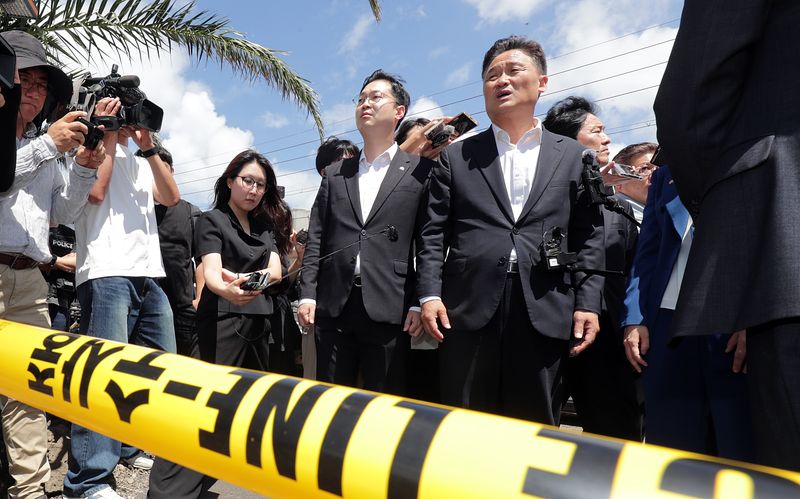
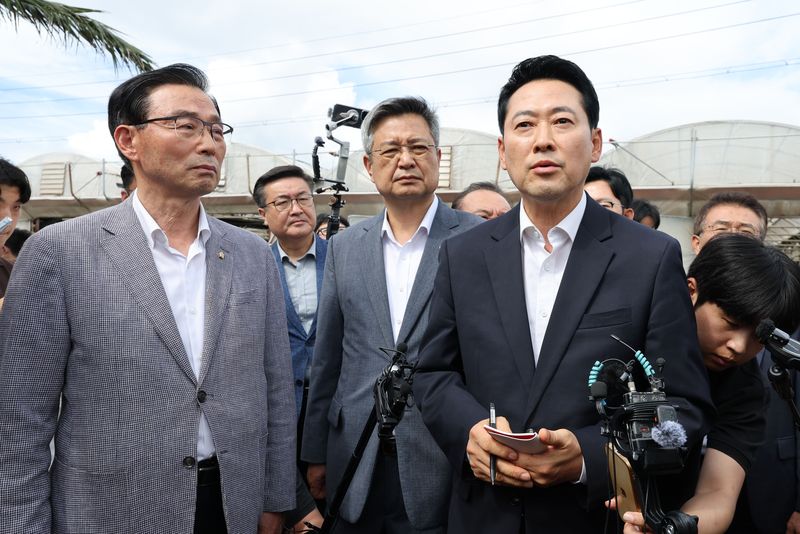
After a workshop in Incheon ahead of the regular National Assembly session, the Democratic Party of Korea's police reform task force and Rep. Kim Young-jin, chair of the National Assembly's Public Administration and Security Committee, traveled to Jeju Island to review the search process and police response at the time of the incident. Kim said, "If the situation at the time of the initial report had been properly assessed and the search area expanded, the case could have been resolved earlier." He added, "We need to establish clearer manuals and rules for handling missing persons so that police can prioritize the lives and safety of missing people from the very beginning of a report."
The Democratic Party of Korea views the case not as the misconduct of an individual officer but as a structural problem within the police organization and plans to pursue institutional reforms. Kim Nam-hee, co-head of the police reform task force, also said, "This case should not be seen merely as the deviation of one police officer," calling for broader system-wide improvements. After their on-site inspection, they moved to the Jeju Provincial Police Agency and met with Commissioner Ko Pyeong-gi.
Later that afternoon, opposition leaders including People Power Party leader Jang Dong-hyuk also headed to Jeju after wrapping up a retreat in Goyang, Gyeonggi Province. Speaking to reporters the previous day, Jang said, "I will go and say that we need to thoroughly investigate whether the falsely closed missing person cases are linked to crime, whether there are other forces behind them, and inform the public about the various suspicions that have emerged."
The People Power Party is linking the case to concerns that police power could become excessively concentrated if prosecutors' supplementary investigative authority is abolished ahead of the launch of the Public Prosecution Office and the Serious Crime Investigation Agency in October. Floor leader Jeng Jeom-sik said in remarks to reporters that day, "Some say abolishing prosecutors' supplementary investigative authority is unrelated to the Jeju missing person false closure case, but there are public concerns that all authority is being concentrated in the police and that they may not have the capacity to handle every investigation." He added, "The People Power Party will continue discussing the issue of police overexpansion and ways to control it, and will come up with measures."
The Democratic Party of Korea, meanwhile, is drawing a line against the opposition's argument, saying the case occurred while prosecutors' supplementary investigative authority was still in place. On the 26th, Democratic Party leader Kim Min-seok said, "The false closure of the Jeju missing person case took place, contrary to some claims, while the current supplementary investigative authority of prosecutors was in effect," and proposed strengthening the police command and supervision system and external oversight as reform tasks.
[email protected] Song Ji-won Reporter