DB Insurance to Raise Shareholder Return Ratio to 40% by 2030, Focuses on "Growth Centered on Capital Efficiency"
- Input
- 2026-08-28 15:20:54
- Updated
- 2026-08-28 15:20:54
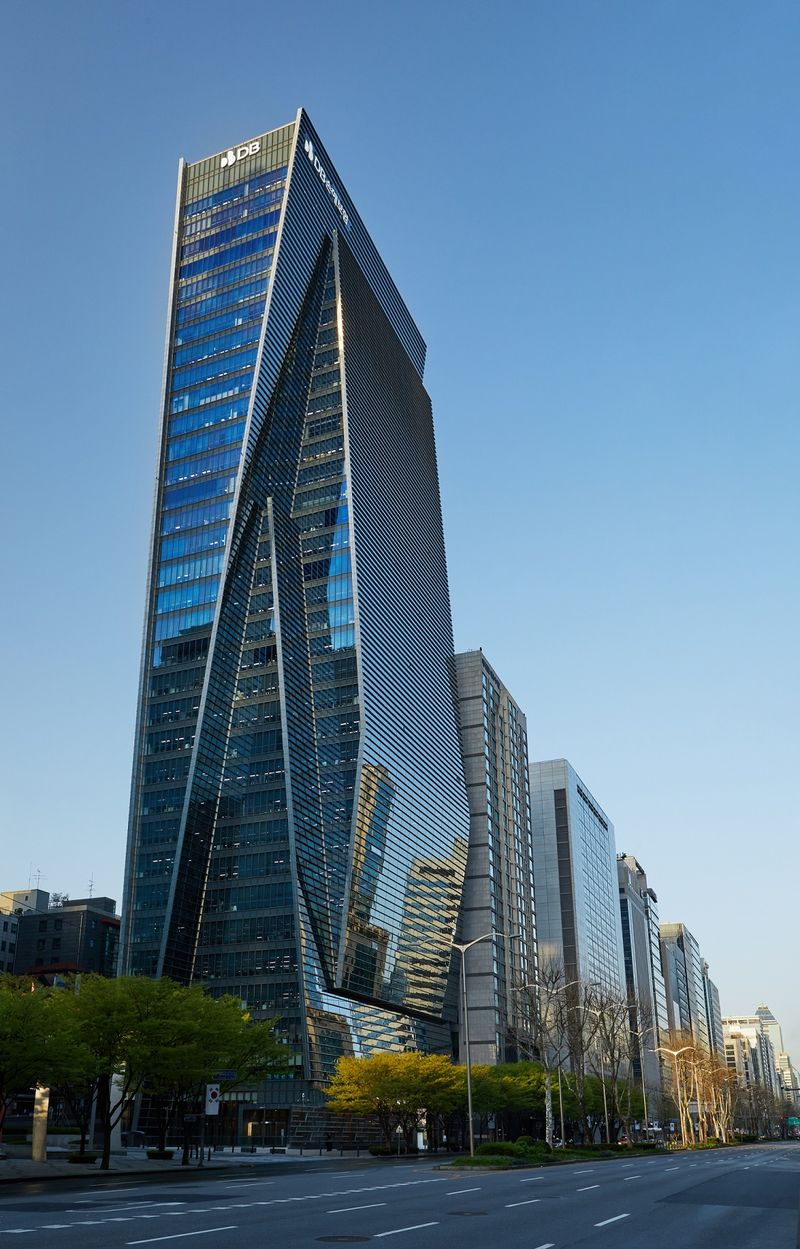
[Financial News] DB Insurance said it will raise its consolidated shareholder return ratio to 40% by 2030. On a separate basis, it set a target of 50% and plans to increase its dividend per share by at least 10% each year. The company said it is focusing on "sustainable balanced growth," emphasizing profitability and capital efficiency over external expansion.
On the 28th, DB Insurance disclosed its mid- to long-term corporate value enhancement plan and held an explanation session for shareholders, analysts, and investors.
The company raised its shareholder return target from 35% on a separate basis in 2028 to 40% on a consolidated basis and 50% on a separate basis in 2030. After announcing its value-up plan last year, DB Insurance achieved a 30.0% dividend payout ratio on a separate basis in 2025 and a total shareholder return (TSR) of 34.9%. It also managed its Korean Insurance Capital Standard (K-ICS) ratio within the target range and completed its acquisition of Fortegra Group in May.
A challenge remains: the market values the company below what its strong profitability would suggest. Its cumulative ROE over the past five years stood at 16.9%, above its cost of equity, but its price-to-book ratio (P/B ratio) remains below 1. The company said that since the adoption of IFRS 17 Insurance Contracts, the gap between accounting profit and dividend capacity has widened. It also said that rising operating costs and loss ratios tied to competition for scale have increased uncertainty over its ability to pay dividends.
To manage dividend sustainability, the company will introduce a new dividend coverage ratio (DCR), which divides distributable earnings by expected dividends. It will continue its target capital return policy when K-ICS is between 150% and 220% and DCR is between 100% and 400%. If ROE falls below the cost of equity or if K-ICS exceeds 220% and DCR exceeds 400% at the same time, it will consider additional returns to shareholders.
It will also tighten its capital efficiency standards. The company aims to keep ROE at least 2 percentage points above the cost of equity and will apply return on risk to new insurance contracts and new investments, setting 200% as the minimum threshold. New contracts will also be managed at an appropriate scale, taking into account cash flow and distributable earnings.
The company will expand its global business around Fortegra. Over the past five years, Fortegra has posted average annual revenue growth of 14.7% while maintaining a combined ratio of around 90%. DB Insurance plans to increase acquisition synergies in the U.S. and European markets.
To prepare for expanded shareholder returns, it set K-ICS at 180% and DCR at 200% as its respective safety thresholds. The company will manage capital soundness and dividend capacity through scenario analysis of key variables such as interest rates and loss ratios.
It will also strengthen communication with the market. The company plans to expand its quarterly earnings conference calls under the CEO's leadership and increase the participation of C-level executives and independent directors in investor events at home and abroad.
Chief Financial Officer Seung Hyung Nam said, "Shareholder value is the starting point for growth and capital allocation decisions." He added, "We will implement our corporate value enhancement plan through sustainable performance rather than short-term external expansion."
[email protected] Hong Ye-ji Reporter