Mayor of Ulsan Kim Sang-wook's sincerity paid off... Ulsan city bus strike averted in dramatic last-minute deal
- Input
- 2026-08-28 11:51:29
- Updated
- 2026-08-28 11:51:29
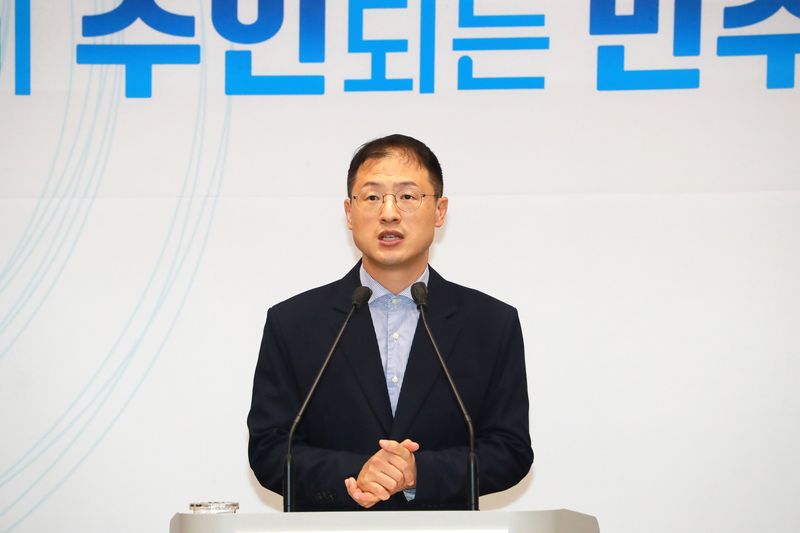
[Financial News, Ulsan Metropolitan City = Reporter Choi Soo-sang] The feared suspension of city bus service in Ulsan Metropolitan City was resolved dramatically just 10 minutes before the strike was set to begin. Mayor Kim Sang-wook's sincere appeal, which did not ignore the hardships faced by bus drivers and expressed empathy for them, became the foundation for the breakthrough.
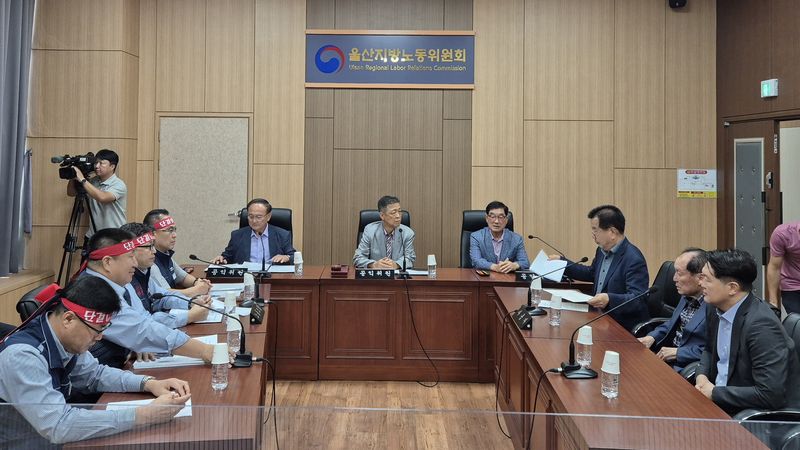
The Ulsan Bus Union of the Federation of Korean Trade Unions (FKTU) and labor and management at six city bus companies reached a tentative wage agreement at 3:50 a.m. on the 28th during a mediation meeting at the Ulsan Regional Labor Relations Commission. As a result, all 709 city buses on 108 routes across Ulsan Metropolitan City returned to normal service from the first buses at 4 a.m., the scheduled start time of the full strike.
The main points of the agreement include a 5% increase in hourly wages, a 1,000 won increase in meal allowances, and an extension of the retirement age to 65 starting in 2028. The sides also agreed to begin a pilot program for cashless buses in October.
The biggest issue, a 81.3 billion won backlog in unfunded severance pay, was accepted in full by labor and management after Ulsan Metropolitan City proposed expanded financial support. The city pledged to begin with 1.5 billion won this year and provide an additional 4.5 billion won annually from next year to directly address the long-standing problem of inadequate severance fund reserves.
The negotiations were far from smooth until the very end. After their first meeting in January, the two sides held seven rounds of talks but remained deadlocked, and the union had already voted to strike with a high approval rate of 95.71%. Last year, a breakdown in wage and collective bargaining talks halted buses for 19 hours and caused severe disruption, so another year of public transit paralysis had seemed possible. In the marathon overnight negotiations that continued past midnight, the decisive factor behind the dramatic compromise reached just before the first buses were due to depart was widely seen as Mayor Kim Sang-wook's sincere attitude and proactive decision-making.
On the 27th, one day before the strike, Mayor Kim held an emergency briefing and showed that he was moving away from the usual bureaucratic response by deeply empathizing with the union's concerns. He said, "I understand the sense of deprivation felt by workers who may not receive their severance pay, as well as the hardship of being forced to work more than 52 hours a week." He also offered a heartfelt apology on behalf of the city for failing to fully listen to workers' urgent voices over the past 10 years. By personally acknowledging the shortcomings of past administration and bowing his head, the mayor helped break down the wall of distrust between labor and management.
At the same time, Kim proposed in advance that the city would provide full-scale financial support up to the maximum extent allowed by law and regulations, saying, "We will provide the fullest possible financial support within the limits permitted by law and regulations." His statement signaled a firm determination to use all available administrative resources and take responsibility when the conflict had reached its peak.
He also made public a roadmap to end the repeated "balloon passing" of past mayors, who had allowed the chronic deficits of the private bus system to worsen through temporary fixes without addressing the root cause. After the negotiations, he said the city would move quickly to establish a transportation corporation and begin public discussion, together with labor, management, the government, and citizens, on introducing a public system to solve the structural problems.
Ulsan Metropolitan City's forward-looking policy proposals and the mayor's sincere appeal gave both labor and management a sense of purpose and trust during the overnight talks. They became a powerful incentive to choose coexistence over a strike. In the end, the union agreed to the deal, taking citizens' inconvenience into account. This Ulsan city bus settlement, which resolved conflict through dialogue and compromise rather than a show of force, will be remembered as a valuable milestone in a major compromise led by a local leader who listened firmly yet warmly.
[email protected] Choi Soo-sang Reporter