Agricultural Act Takes Effect... Will Jeju Citrus and Winter Vegetables Be Included in the Price Stabilization System?
- Input
- 2026-08-28 10:07:08
- Updated
- 2026-08-28 10:07:08
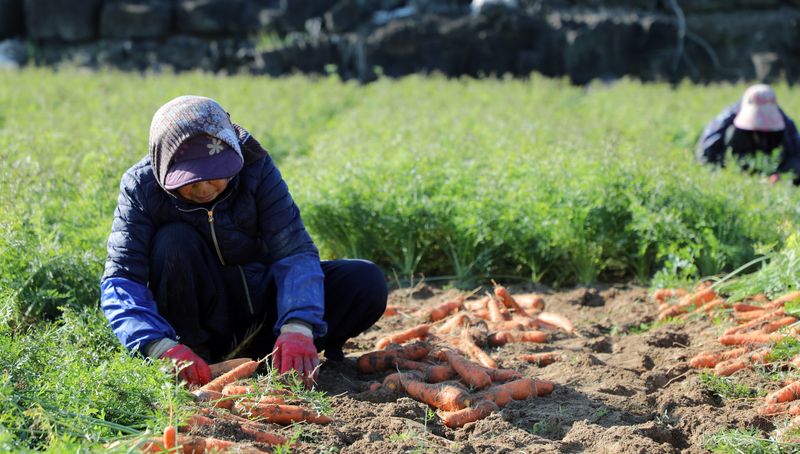
[Financial News Jeju = Reporter Jung Yong-bok] As the agricultural product price stabilization system, which allows the state to cover part of the decline when prices fall well below a benchmark price, has now been put into legal effect, attention is turning to whether Jeju citrus and winter vegetables will be included among the items eligible for support.
According to the Ministry of Agriculture, Food and Rural Affairs (MAFRA) on the 28th, the revised Act on Distribution and Price Stabilization of Agricultural and Fishery Products took effect the previous day, on the 27th.
The core of the revised law is proactive supply and demand management and the agricultural product price stabilization system. It shifts the approach from responding to sharp price swings after products reach the market to managing appropriate cultivation area and supply volume before production begins.
Going forward, local governments will draw up regional agricultural supply and demand management plans. Based on those plans, MAFRA will prepare an annual national agricultural supply and demand plan that includes demand and supply forecasts, cultivation area targets, and support measures for stable production and supply, after review by the Agricultural Product Supply and Demand Adjustment Committee, in which producer groups participate.
The system is structured around provincial supply and demand management plans, the national agricultural supply and demand plan, and provincial implementation plans. In effect, production plans in major growing regions will be directly linked to the central government's supply and demand policy.
In Jeju, the key issue is how major agricultural products such as citrus and winter vegetables will be reflected in the new supply and demand management system. If a specific item is designated for the price stabilization system, producers can receive support for the gap when the market average price falls below the benchmark price set by the government. However, not all agricultural products will automatically qualify.
It has not yet been decided which products will be included. MAFRA plans to hold a meeting of the Agricultural Product Price Stabilization Deliberation Committee in early September to review key operating standards, including target items and the ratio of gap payments. It will separately finalize and announce the detailed operating plan based on the results of that review.
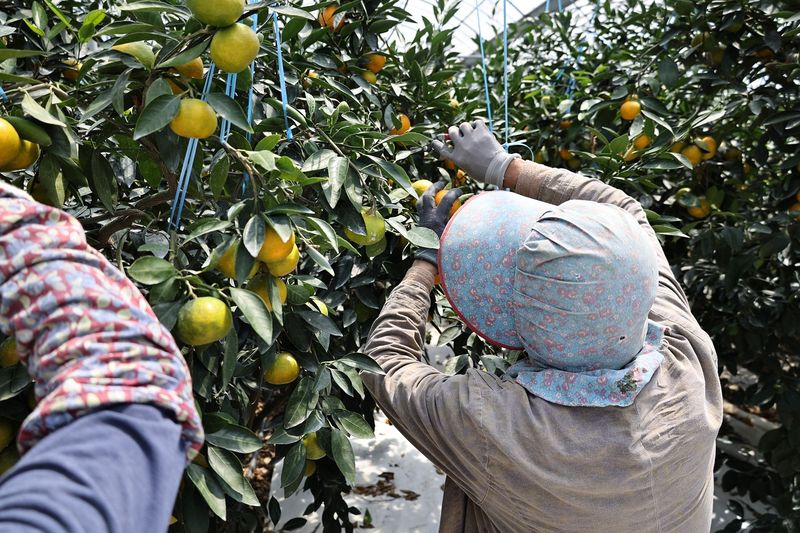
At this stage, it cannot be said that Jeju citrus or winter vegetables such as carrots, cabbages, broccoli, and winter radishes will be included in the national price stabilization system. The impact on Jeju farmers is expected to vary greatly depending on the final selection of target items.
The Price Stabilization Deliberation Committee will be chaired by the vice minister of MAFRA and consist of 15 members. To reflect views from the field, at least one-third of the members will be representatives from producer groups for each item.
Measures to stabilize supply and demand will also be strengthened before the price stabilization system takes effect. The existing Agricultural Product Supply and Demand Adjustment Committee will be reorganized from an advisory body into a statutory committee that reviews major supply and demand policies. Participation by producer groups will also be expanded to strengthen supply and demand control at the production site, including cultivation area and shipping timing.
Legal grounds have also been established for operating the agricultural product stable production and supply support project and provincial agricultural supply and demand management centers.
Contract farming will also be strengthened. The revised law clearly defines contract production and contract shipments as 'contract transactions' and allows losses arising during implementation planning and supply and demand adjustment to be covered.
The management method for stockpiled agricultural products will also change. Institutions entrusted with stockpiling projects must establish management and operation plans for stockpiled agricultural products and review sales performance and project results after distribution.
The scope of agricultural outlook analysis will also expand beyond production to include consumption. The aim is to reduce oversupply in advance by tracking production volumes and consumption trends together.
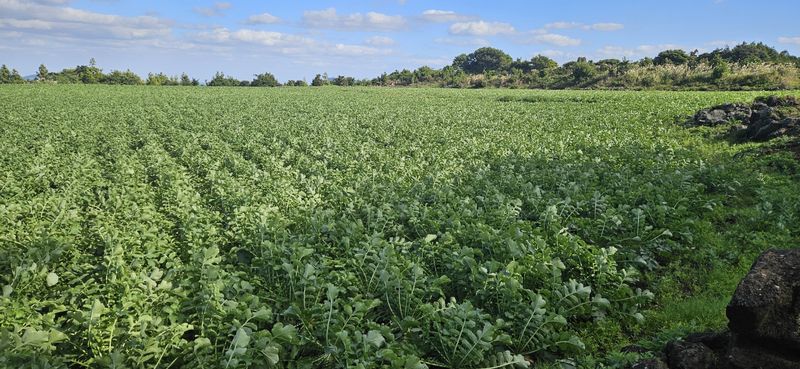
What matters most for Jeju agriculture is whether the price stabilization system can meaningfully change the existing supply and demand measures centered on post hoc market isolation.
The revised Act on Distribution and Price Stabilization of Agricultural and Fishery Products institutionalizes a system in which the government, local governments, and producer groups manage appropriate production volumes from the planting stage. If oversupply is expected, the plan is to adjust cultivation area and build a system that manages production through the growing, storage, and shipping stages.
The price stabilization system serves as a final safety net when prices still fall below the benchmark despite this proactive supply and demand management.
Jeju Province will also need to present more detailed item-by-item production areas, shipping schedules, and demand and supply forecasts through its regional agricultural supply and demand management plan. Data on items with high production shares in Jeju, along with the level of participation by producer groups, could become important in the process of drawing up the national supply and demand plan.
In particular, the first Price Stabilization Deliberation Committee in early September will be the first test. If citrus and major winter vegetables are included, Jeju farmers could gain a new national safety net against sharp price declines. If they are excluded, further discussion will be needed on how to reflect the characteristics of Jeju agriculture in the national price stabilization system.
Seo Jun-han, director of distribution and consumer policy at MAFRA, said, "Through the introduction of a comprehensive supply and demand management system and the agricultural product price stabilization system, we will strengthen the institutional foundation so that farmers can farm with confidence and consumers can buy agricultural products at reasonable prices."
The practical impact on Jeju agriculture is expected to be determined by the target items, benchmark price calculation method, and gap payment ratio to be announced in early September. Not only how much support will be provided after prices fall, but also how precisely Jeju Province and producer groups can adjust cultivation area and shipment volumes at the production stage will be a key factor in determining whether the new system succeeds.
[email protected] Jung Yong-bok Reporter