The U.S. May Push Venezuela Out of OPEC...Seeks New Oil Alliance
- Input
- 2026-08-28 10:42:17
- Updated
- 2026-08-28 10:42:17
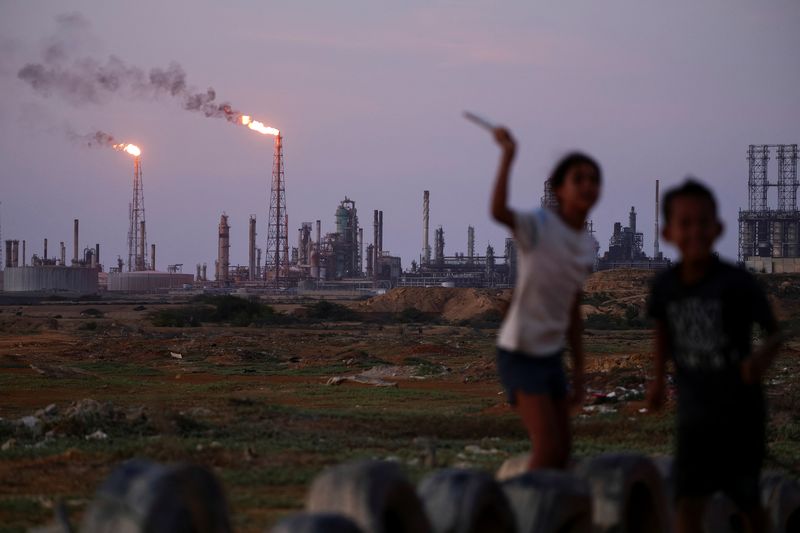
[Financial News] After the U.S. raid in January, a claim has emerged that Venezuela, which has been cooperating with the United States in oil development, may withdraw from the Organization of the Petroleum Exporting Countries (OPEC) and hand over stakes in its oil fields to the U.S. If Venezuela, a founding member, leaves the group, OPEC's standing is expected to weaken significantly. The bloc has already been shrinking since 2019.
The Jerusalem Post reported on the 27th, citing a Trump administration official, that the U.S. government is pursuing an agreement that would give it long-term access to Venezuelan oil fields. The official said the deal could be announced soon and would allow a U.S. company to develop designated Venezuelan fields in exchange for supplying part of the output to the U.S. Another official said legal issues are also being discussed, including a plan for U.S. companies to lease Venezuelan oil fields through a bidding process. At least 17 fields are reportedly under consideration.
The U.S., which attacked Venezuela in January and captured President Nicolás Maduro Moros, is now working with Venezuela's interim president, Delcy Rodríguez. The two countries have many issues to discuss, especially in oil development. Venezuela has the world's largest proven oil reserves as of last year, but most of them are heavy crude used for industrial materials such as asphalt. The U.S., which ranked eighth in proven reserves last year, mainly produces light crude used for gasoline and other fuels. As a result, despite its vast reserves, the U.S. still has to import heavy crude from abroad. In the past, the U.S. continued investing locally to secure Venezuelan heavy crude, but most of those operations were withdrawn during the left-wing governments that began in 1999 and continued through Maduro.
With Venezuelan oil in hand, the U.S. is working to remove Venezuela from the OPEC system, which allocates production quotas to member countries. Going forward, if Venezuela is to expand oil production with U.S. capital, it will have to overcome OPEC's quota system.
An official said the Venezuelan government recently "discussed a proposal to leave OPEC with the United States, but no final decision has been made yet." The White House and Venezuela's Ministry of Information did not confirm the report. Another official said, "Some U.S. officials are envisioning the birth of an 'oil powerhouse' that would sharply reduce OPEC's influence through an alliance between the U.S. and Venezuela." Foreign media outlets predicted that if the U.S. succeeds in developing Venezuelan oil fields and pushing Venezuela out of OPEC, oil prices in the U.S., which have risen because of the war in Iran, could fall.
For OPEC, however, losing Venezuela, a "founding member" from 1960 and the only member in South America, would damage the group's prestige. OPEC has already seen Qatar leave in January 2019, Ecuador in January 2020, the Republic of Angola in January 2024, and the United Arab Emirates (UAE) in May this year. In June, Iraq also signaled a possible exit, citing accumulated dissatisfaction with OPEC's oil production quotas.
There are now only 11 OPEC member countries. Foreign media outlets said that if the cartel's grip on oil prices weakens, oversupply could once again push prices down, as happened in 2020.
[email protected] Park Jong-won Reporter