"I Thought It Was a Cold, but It Was a 40 C Fever"... Summer Cooling Systems Raise a Red Flag [Health Talk]
- Input
- 2026-08-28 09:08:56
- Updated
- 2026-08-28 09:08:56
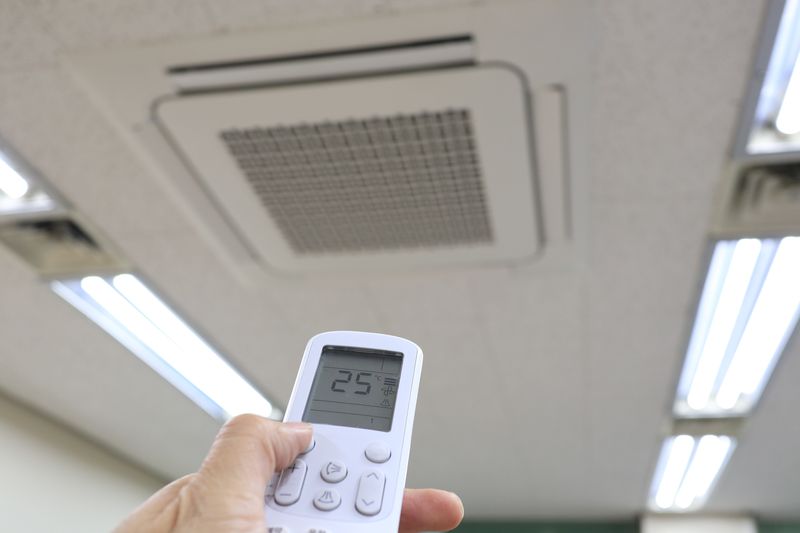
[Financial News] As the heat wave continues, the use of cooling devices shows no sign of slowing. If sudden high fever, coughing, or shortness of breath appears in summer, or if symptoms do not improve even after standard pneumonia treatment, the possibility of Legionnaires' disease should be considered.
Professor Yoon Hee-young of the Department of Pulmonology at Soonchunhyang University Seoul Hospital said that home or car air conditioners are unrelated to Legionnaires' disease infection, but cooling tower water in large buildings, bathhouses, and hot springs can pose a risk and require caution.
In fact, the number of Legionnaires' disease cases in South Korea is clearly rising. According to the KDCA's Annual Report of Infectious Disease Surveillance, reported cases last year increased by 41.6% from the previous year, or 188 cases, making it one of the major infectious diseases that grew last year.
Legionnaires' disease is an infectious disease caused by bacteria of the genus Legionella. It refers collectively to Legionnaires' disease, which causes pneumonia, and Pontiac fever, which appears as an acute febrile illness without pneumonia. In South Korea, it is managed as a Class 3 legally designated infectious disease, and early diagnosis and control of the source of infection are crucial.
Cooling tower water and bathhouses are the main culprits, while home air conditioners are safe
Legionella naturally exists in freshwater environments such as lakes, rivers, and hot springs. The bacteria can grow especially well in warm water at around 25 to 45 C. If contaminated water spreads into the air as tiny aerosol droplets, people can become infected by inhaling them or aspirating them into the airway.
Major sources of infection include cooling tower water in large buildings, hot and cold water supply systems inside buildings, bathhouses, hot springs, decorative fountains, and water play facilities. Infection can also occur through respiratory therapy devices or nebulizers cleaned with contaminated water. However, home and car air conditioners do not use water to cool the air, so they pose no infection risk, and the disease is not spread from person to person.
Symptoms vary depending on the type of infection. Pontiac fever is a relatively mild form. After an incubation period of about 24 to 48 hours, symptoms such as malaise, muscle pain, fever, and chills appear. It may also come with cold-like symptoms such as a dry cough, sore throat, and runny nose, as well as diarrhea or nausea, but most patients recover within two to five days without special treatment.
Legionnaires' disease, however, requires greater caution. After an incubation period of about 2 to 10 days, symptoms such as headache, muscle pain, and general weakness may appear, followed by a high fever approaching 40 C, chills, and coughing. Chest pain or shortness of breath may also occur, along with gastrointestinal symptoms such as diarrhea, and in severe cases, altered consciousness. Anyone can be infected, but most patients are over 50. The risk is higher for smokers, people with chronic conditions such as chronic lung disease or diabetes, immunocompromised patients, and heavy drinkers.
Common pneumonia antibiotics do not work, making an accurate diagnosis essential
Because the symptoms are similar to those of other bacterial pneumonias, it is difficult to distinguish Legionnaires' disease based on symptoms alone, so accurate testing is important. Diagnosis is made through urine antigen testing, respiratory specimen culture, and genetic testing.
If Legionnaires' disease is diagnosed, appropriate antibiotic treatment is needed. Because Legionella multiplies inside cells, beta-lactam antibiotics commonly used for bacterial pneumonia, such as penicillin and cephalosporins, are not effective against it.
Therefore, it is important to use antibiotics that penetrate cells well. The treatment method and duration are determined by the patient's severity and immune status. Treatment usually lasts 7 to 14 days, but the period may be longer if the pneumonia is extensive, the patient is immunocompromised, or complications develop.
If treatment is delayed, Legionnaires' disease can lead to serious complications such as lung abscess, empyema, respiratory failure, hypotension, shock, and kidney failure. Extra caution is needed for immunocompromised patients and those whose condition progresses to severe pneumonia from the outset.
Professor Yoon said, "It can be confirmed through urine antigen tests and respiratory specimen tests, and extra caution is especially needed for people over 50, smokers, and those with chronic lung disease, diabetes, or weakened immunity."
[email protected] Reporter Jeong Myeong-jin Reporter