"Don't Eat Fruit"...A Poison for Bariatric Surgery Patients [Health Talk]
- Input
- 2026-08-28 08:17:42
- Updated
- 2026-08-28 08:17:42
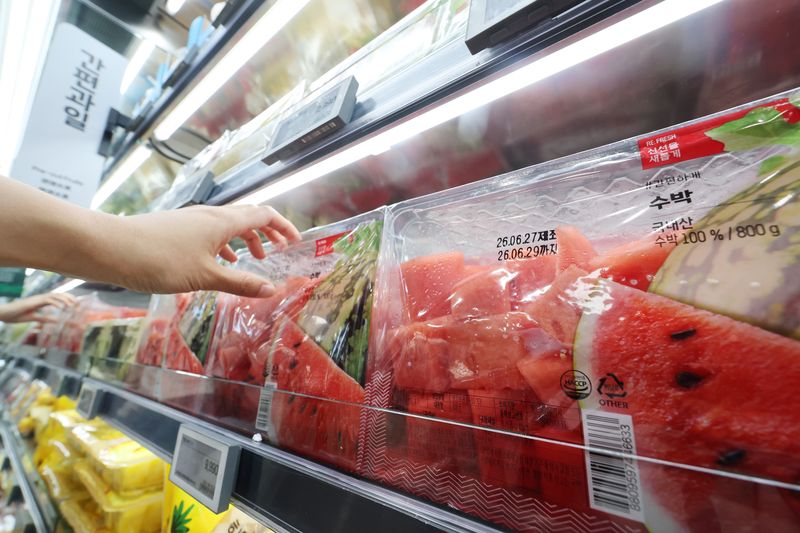
[Financial News] It has been pointed out that fruit, often considered a health food, can instead increase fatty liver and visceral fat after bariatric metabolic surgery.
Jung Sung-woo, head surgeon at the Obesity and Metabolic Surgery Center at Incheon Sejong Hospital, said, "The most common question patients ask during outpatient visits after bariatric metabolic surgery is, 'Is it okay to eat a lot of fruit?'" He explained, "Fruit contains vitamins, minerals, and antioxidants, so people think of it as a health food. But because it also contains fructose, a source of fat production, intake should be limited after bariatric metabolic surgery."
Most of the carbohydrates we eat are used in the form of glucose, which serves as an energy source for the brain, heart, and other organs and muscles. Fructose, however, is different. It is not used as a good energy source for organs and muscles. Instead, most of it moves to the liver and is stored as fat. This is why fruit intake should be monitored carefully.
Jung noted, "Many patients think fruit is fine because it is a natural food, but our bodies cannot tell whether fructose came from an apple, juice, or a carbonated drink." He added, "From the liver's perspective, it is all the same fructose."
Extra caution is needed after bariatric metabolic surgery. The most important nutrient after the procedure is protein. Because the stomach becomes smaller, the amount of food a patient can eat is limited. If they eat too much fruit, they quickly feel full and end up consuming less protein, which the body actually needs. In other words, protein becomes insufficient while fructose, which is stored as fat, is consumed in excess.
When fructose accumulates, the liver begins converting it into fat. In the end, this leads to fatty liver and visceral fat. It can also affect insulin resistance and trigger diabetes and metabolic diseases.
Caution is also needed with foods other than fruit that are high in fructose. Fruit juice, carbonated drinks, iced tea, syrup coffee, sports drinks, energy drinks, and processed foods containing liquid fructose are all sources of fructose. Above all, liquid fructose is absorbed quickly and provides little satiety, making it even more dangerous.
Jung said, "Fruit, which people eat for their health, can instead increase fatty liver and visceral fat and eventually cause metabolic disease again." He added, "After bariatric metabolic surgery, remember 'protein first.' Avoid fruit and focus on protein intake such as seafood, lean meat, chicken breast, and eggs."
[email protected] Jung Sung-woo Reporter