No-Reservation Mounjaro in 30 Minutes: A Visit to Japan's 'Sushijaro' Scene [Report]
- Input
- 2026-08-27 16:36:31
- Updated
- 2026-08-27 16:36:31
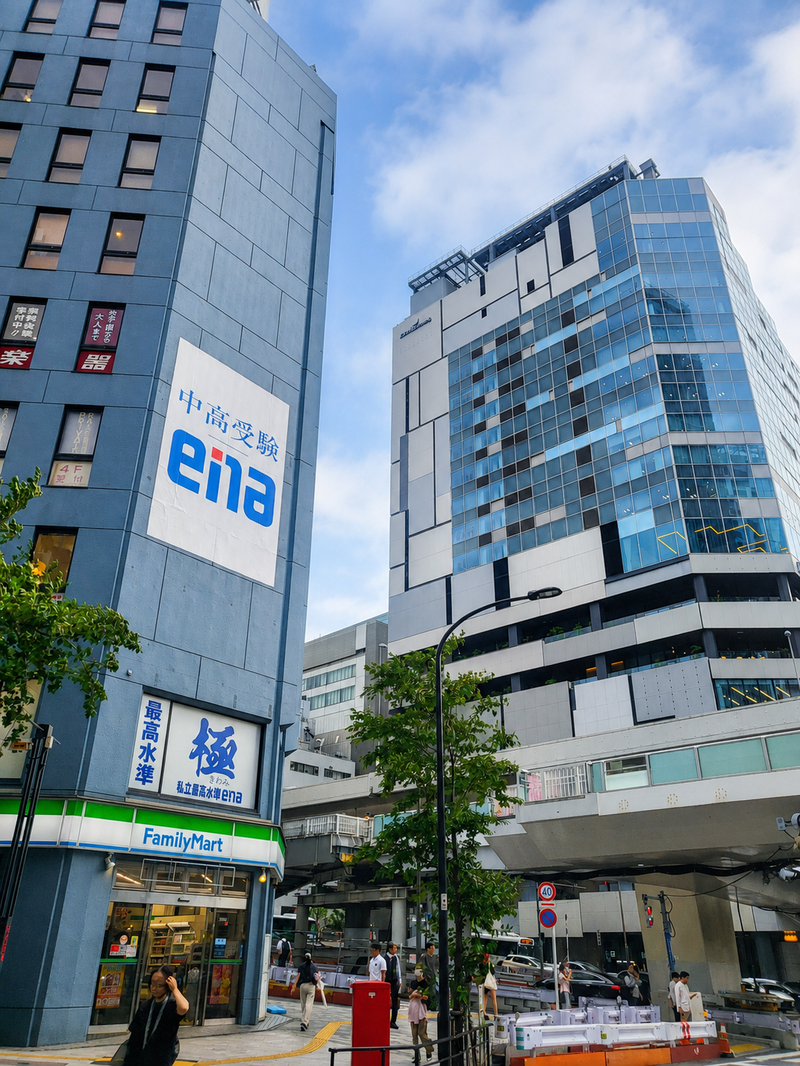
At a dermatology clinic in Shibuya, Tokyo, on the afternoon of the 27th, a staff member gave that answer when asked whether Mounjaro could be prescribed to foreigners. The explanation was that even without a reservation, patients could receive the medicine the same day after reception, a questionnaire, consultation, and a doctor's examination.
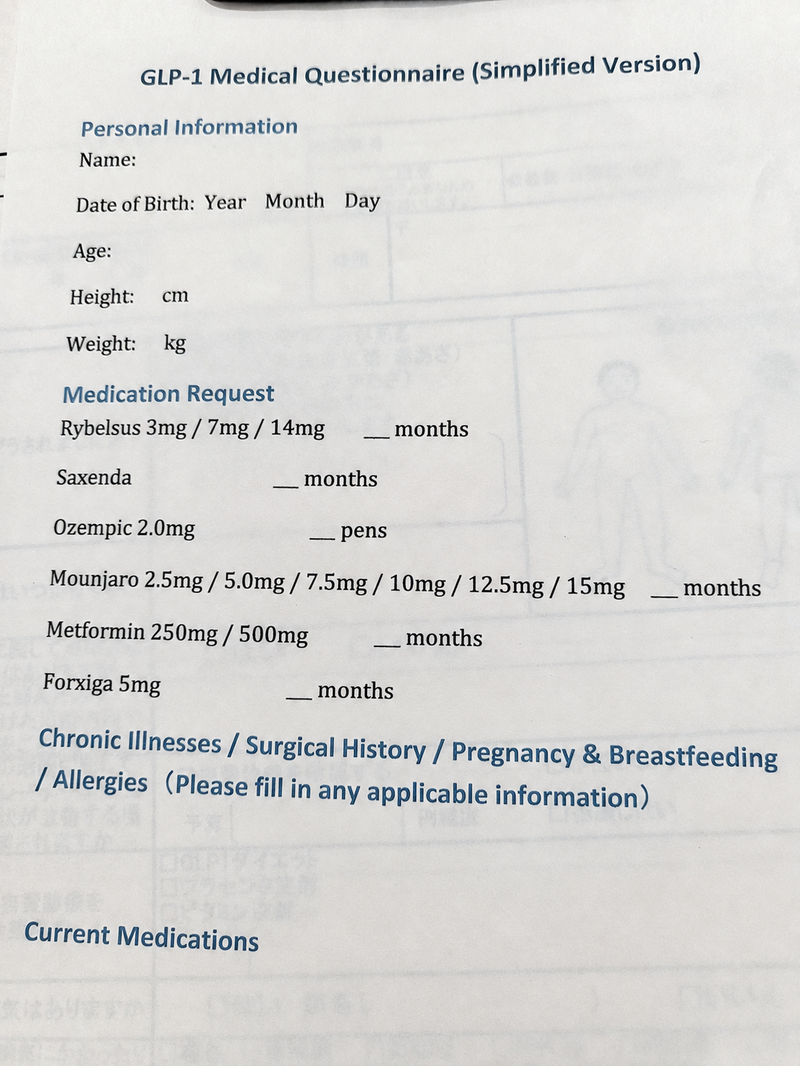
At around 2:40 p.m. that day, when this reporter said at the first-floor reception desk that she was a foreigner seeking a Mounjaro prescription, the staff member asked for a passport. No Japanese health insurance card or local address was required. After checking the passport, the staff member handed over a consultation card and an English questionnaire. The form asked for the patient's name, date of birth, height, weight, desired dosage, as well as medical conditions, medications, allergies, surgical history, and the possibility of pregnancy or breastfeeding.
In the waiting area, about 10 women who appeared to be in their 20s to 50s were seated, and several foreigners were also visible. When the reporter went up to the second-floor consultation room, the staff member checked past medication use, medical conditions, and current drugs. He explained that "the main effect is appetite suppression" and added that "nausea, diarrhea, and constipation can occur, but they often subside over time." He said first-time users start with the lowest dose, 2.5 mg.
The threshold for prescribing to minors also appeared low. When asked, "My daughter is in middle school and has gained a lot of weight. Is it okay for her to take Mounjaro?" the staff member replied, "If she is 15 or older, it is possible at our clinic," and added, "We have many students using it too."
This dermatology clinic sells four 2.5 mg Mounjaro pens for 9,460 yen, or about 82,300 won, per month for the first two months. The first-month cost, including a 1,100 yen consultation fee, comes to 10,560 yen, or about 91,900 won. From the third month, the price for four pens falls to 6,930 yen, or about 60,000 won. Its website provides foreign customers with purchase instructions in English and Chinese and says short-term visitors can also receive treatment.
A clinic in Shinjuku also prescribes Mounjaro to foreigners without a reservation. The 2.5 mg dose costs 3,500 yen per pen, or about 30,000 won, and can be purchased starting from two pens. There is no separate consultation fee.■ One-quarter of the Korean price ... demand for medical tourism surgesThe biggest reason Koreans seek Mounjaro in Japan is price. In Korea, a four-week supply of 2.5 mg costs about 280,000 to 350,000 won, while a dermatology clinic in Shinjuku sells it for 14,000 yen, or about 121,800 won, and the Shibuya clinic charges 9,460 yen, or about 82,300 won. That is roughly one-quarter of the domestic price.
In Japan, Mounjaro is listed under health insurance as a treatment for type 2 diabetes and is distributed based on the government-set drug price. Using the pricing system under the National Health Insurance Act, the Japanese government applied a "Special Price Adjustment for Sustainable Health System" and cut Mounjaro's price by 25% starting on the 1st of this month. The system is designed to reduce the burden on medical insurance finances by recalculating the price of expensive drugs whose insured sales have surged.
Mounjaro was estimated to have annual insured sales of 100 billion to 150 billion yen, making it eligible for the 25% price cut. After the reduction, the insured price of the 2.5 mg dose fell to 1,443 yen per pen, or about 12,600 won, cheaper than India's roughly 5,800 yen. The lower price may reduce procurement costs for cosmetic medical institutions using the same distribution network, encouraging more sales to foreigners.
On Korean social media, people share clinic and price information while calling the domestic product "kimchijaro" and the one bought in Japan "sushijaro." According to the Korea Customs Service, illegal imports of obesity treatments such as Mounjaro and Wegovy totaled 4,155 cases in the first half of this year, 3.5 times last year's full-year total of 1,189.■ Japan's sales triple ... controversy over "taking Mounjaro"As Mounjaro use spreads on the back of low prices and easy access to prescriptions, controversy over cosmetic use is also growing in Japan.
According to IQVIA, a global healthcare data analytics company, Mounjaro sales in Japan in fiscal 2025 reached 131 billion yen, or about 1.1397 trillion won, up 3.2 times from a year earlier and ranking fourth among prescription drugs. Online ads are full of price-focused promotions such as "one trial pen for 4,400 yen" and "8,000 yen off the first prescription," while some medical institutions handle everything from intake to prescription, payment, and delivery through smartphones.
Japanese influencer Yui Pisu sparked controversy in a YouTube broadcast in May when she told participants to "take Mounjaro" and said she had lost 5 kg herself. She had been named as a promotional ambassador for an online prescription service, but as criticism mounted, she apologized and withdrew from the role.
Mounjaro has been approved in Japan as a treatment for type 2 diabetes. Using it for cosmetic purposes by people without diabetes is considered off-label use. Non-covered prescriptions based on a doctor's judgment are not illegal, but side effects such as hypoglycemia and acute pancreatitis can occur, and the long-term safety of use in healthy people has not been established.
[email protected] Seo Hye-jin Reporter