Foreign patients in Korea reach 2 million era, with spending in Korea also surging
- Input
- 2026-08-27 15:00:00
- Updated
- 2026-08-27 15:00:00
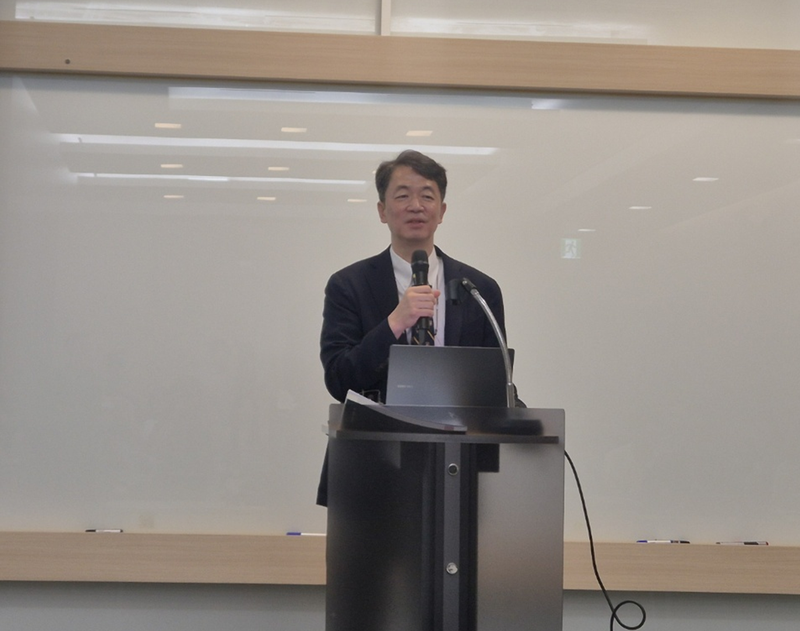
[Financial News] As the market for attracting foreign patients has grown to 2 million people a year, their card spending in Korea is also rising rapidly. In particular, medical spending has led the overall increase, suggesting that Korea’s medical tourism is shifting beyond simple visitor growth toward high-value medical consumption.
The Korea Health Industry Development Institute said on the 27th that it held a press briefing at the Yonsei Severance Building in Seoul and analyzed domestic payment data from overseas-issued cards provided by Hana Card. The institute found that domestic card spending by overseas-issued cards confirmed to have been used at medical institutions in the first half of this year reached 3.0973 trillion won, up 25.6% from the same period last year.
Card spending in the medical sector in the first half came to 1.4203 trillion won, up 38.6% from a year earlier. Spending in sectors other than medical institutions rose 16.3% to 1.677 trillion won. Of the roughly 630.8 billion won increase in total card spending, 395.3 billion won came from the medical sector, accounting for 62.7%. Medical spending grew faster than non-medical consumption and drove the overall increase.
The number of medical-sector transactions also rose 23.8%, while average spending per transaction increased 11.9%, from 838,000 won to 938,000 won.
Among cards used in the medical sector from the top 14 countries, the number of transactions rose only 1.0%, but average medical spending per card increased 30.1%. Medical-sector spending climbed 31.4%, from 778.4 billion won to 1.0231 trillion won.
Han Dong-woo, head of the Global Healthcare Division at the Korea Health Industry Development Institute, explained, "It can be seen that the amount spent by people who came to Korea has grown more than the number of people themselves."
By specialty, dermatology and plastic surgery remained at the center of foreign patients' medical spending. Dermatology card spending in the first half reached 768.5 billion won, accounting for 54.1% of total medical-sector consumption. The year-on-year increase was 49.5%, with dermatology driving 64.3% of the medical-sector growth.
The combined share of dermatology and plastic surgery rose from 71.6% to 72.1%. At the same time, spending also increased in treatment-oriented departments such as internal medicine, orthopedics, dentistry, and ophthalmology.
Differences by country were also clear. Japan, Taiwan, China, Singapore, and Thailand showed a high share of cosmetic medical services such as dermatology and plastic surgery, while Kazakhstan and Mongolia had many patients seeking treatment for serious illnesses, including cancer, and therefore showed larger medical bills. The spending expansion by foreign patients also continued outside hospitals. Card spending in non-medical sectors rose 16.3%. Pharmacies posted the highest growth at 87.9%, followed by payment gateways at 53.4%, department stores at 22.9%, casual clothing at 21.6%, and cosmetics at 20.4%.
Han said, "People who come to Korea for medical purposes are spending not only at hospitals but also at pharmacies and in shopping, so a medical tourism ecosystem appears to be taking shape."
Korea's market for attracting foreign patients grew from 60,201 in 2009 to 600,000 in 2023 and 1.2 million in 2024, and last year it surpassed 2 million.
Han said, "As the market for attracting foreign patients has grown in scale, it is important to secure patient safety and trust in medical care, which are the essential values of medicine." He added that the institute will continue to analyze market changes by linking card spending data with foreign patient attraction results and tourism statistics.
[email protected] Kang Jung-mo Reporter