Saudi Arabia, Cut Off on Both Seas, Seeks a New Export Route Through the Suez Canal
- Input
- 2026-08-27 12:41:12
- Updated
- 2026-08-27 12:41:12
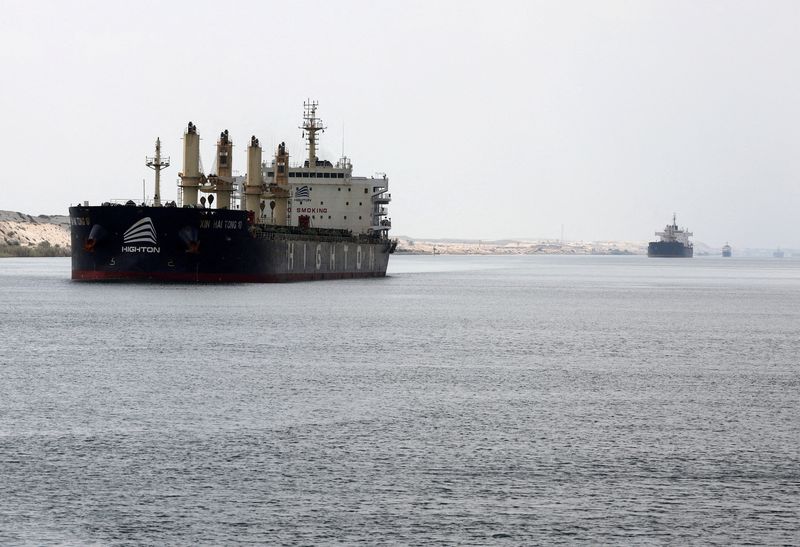
[Financial News] Saudi Arabia, the world's largest oil exporter and a country bordered by seas on both sides, is looking for a new export route after both waterways were blocked by the Iran war. It is now considering using the Suez Canal and the Mediterranean Sea to the northwest.
In a report on the 26th local time, The New York Times said Saudi Arabia has recently been using the Suez Canal more often to ship oil, taking a route that passes through the Mediterranean Sea and around Africa's Cape of Good Hope before heading to Asia.
Before the Iran war in February, Saudi Arabia, with the Red Sea to the west and the Persian Gulf to the east, extracted oil from its eastern oil fields and exported it to Asia through the nearby Strait of Hormuz. But traffic through the Strait of Hormuz has remained unstable since the war began. Saudi Arabia then used a pipeline that crosses the country from east to west to send oil from its eastern oil fields to the port of Yanbu on the Red Sea. Oil leaving Yanbu would head south through the Red Sea, pass the Bab el-Mandeb Strait and continue toward Asia, but that route also became dangerous as the Houthi rebels in Yemen became increasingly active. The rebels attacked merchant ships on the 20th of last month, saying they were blockading the Bab el-Mandeb Strait area.
The New York Times said Saudi Arabia has turned its attention to the shipping route through the Suez Canal north of the Red Sea. In fact, the canal is difficult for very large tankers to pass through. To work around that, Saudi Arabia has used a lightering method. According to The New York Times, Saudi tankers transport crude oil to Egypt's Ain Sokhna Terminal in the Suez Gulf on the Red Sea, then send it through Egypt's Sumed Pipeline to the Sidi Kerir Terminal on the Mediterranean coast. By unloading crude oil at Ain Sokhna and reducing their draft, tankers can then pass through the Suez Canal, reload at Sidi Kerir, and sail across the Mediterranean Sea. Other tankers waiting on the Mediterranean side can also load crude oil at Sidi Kerir.
Using this route adds two to four weeks of sailing time for shipments to South Korea, China and Japan via South Africa, along with at least $5 per barrel in additional costs from extra fuel and operating expenses.
According to Kpler, a maritime shipping data platform in the United States, crude oil that passed through the Sumed Pipeline this month averaged 1.9 million barrels per day, sharply up from about 650,000 barrels per day in June. Kpler said most of the crude oil moving through the pipeline was Saudi crude. Earlier, Saudi Aramco said it was actively expanding efforts to increase the flexibility of its crude oil transport routes.
[email protected] Reporter Park Jong-won Reporter