"Why Aren't I Losing Weight on a Low-Sugar Diet?" ... The Hidden Trap of Calories [Health Talk]
- Input
- 2026-08-27 11:09:23
- Updated
- 2026-08-27 11:09:23
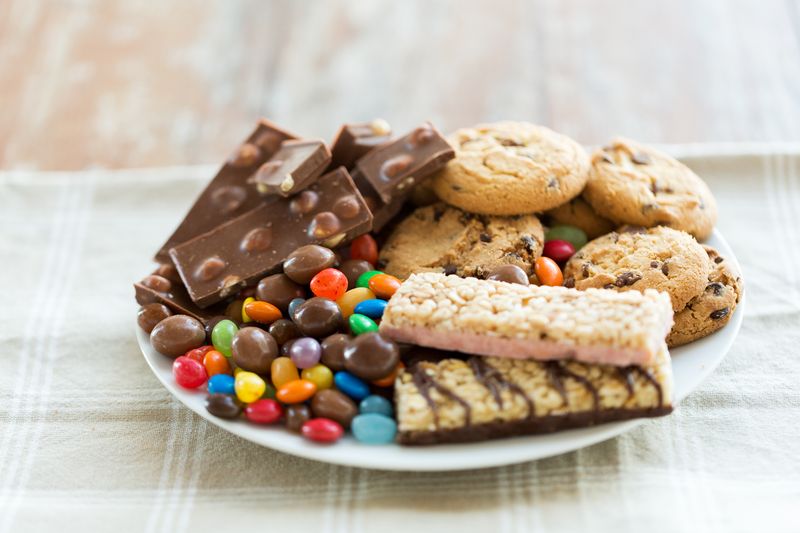
[Financial News] The low-sugar and sugar-free craze, which began with zero-calorie carbonated drinks and has since spread to ice cream, snacks, bread, coffee, and sauces, is fueling concerns about the misconception that "low sugar" automatically means "healthy."
Interest in low-sugar foods has risen as consumers increasingly pursue "Healthy Pleasure," a trend that seeks both health and enjoyment.
Under nutrition labeling standards, low-sugar foods are defined as products containing less than 5 grams of sugar per 100 grams or less than 2.5 grams per 100 milliliters. They can be useful for people who usually enjoy sweet foods and want to reduce their sugar intake.
The sugar was cut, but fat and sweeteners filled the gap
However, "low sugar" does not necessarily mean "healthy." In the process of reducing sugar, some products may use more fat, other carbohydrate ingredients, or sweeteners. When choosing low-sugar foods, consumers should look beyond front-label claims such as "low sugar," "zero," or "sugar-free" and check the overall nutrition profile, including total calories, sugar, fat, saturated fat, protein, and dietary fiber. It is also important to consider the actual amount eaten, since serving sizes and real consumption may differ.
Kim Jeong-hwa, a family medicine professor at Ewha Womans University Seoul Hospital, explained, "Even in low-sugar snacks or ice cream, some products may contain more fat or sweeteners instead of sugar." She added, "If you eat more than usual just because the label says 'low sugar,' your overall calorie intake may actually increase, and depending on the product, your sweetener intake may also rise, so you need to be careful."
The same applies to zero drinks. Replacing sugary beverages with zero or sugar-free drinks can reduce sugar and calorie intake, but increasing consumption of zero drinks is not advisable. In the end, it is best to make water or unsweetened drinks your default and choose low-sugar or sugar-free products only when needed.
It is also necessary to distinguish between sugars that occur naturally in foods and those added to processed foods or beverages. Rather than avoiding natural foods such as fruit simply because they contain sugar, it is important to maintain a balanced diet by eating a variety of foods, including vegetables, fruits, whole grains, and legumes.
Check sugar, calories, and ingredients carefully
When choosing low-sugar foods, it is best to check key nutrition information together, including sugar, total calories, fat and saturated fat, protein and dietary fiber, serving size versus actual intake, and the ingredient list. Rather than judging a product by whether it is simply labeled "low sugar," consumers should choose based on their eating habits and nutritional needs.
Professor Kim emphasized, "A healthy diet is not about cutting one specific nutrient at all costs. It is about eating a balanced variety of foods." She added, "Rather than treating low-sugar products as a kind of 'get-out-of-jail-free card' for health, it is better to use them as one way to reduce the sugar you normally consume in excess."
[email protected] Medical Writer Jeong Myeong-jin Reporter