"Why Don’t Two Out of Three Take It?" Folic Acid Use During Pregnancy [Health Talk]
- Input
- 2026-08-27 10:48:00
- Updated
- 2026-08-27 10:48:00
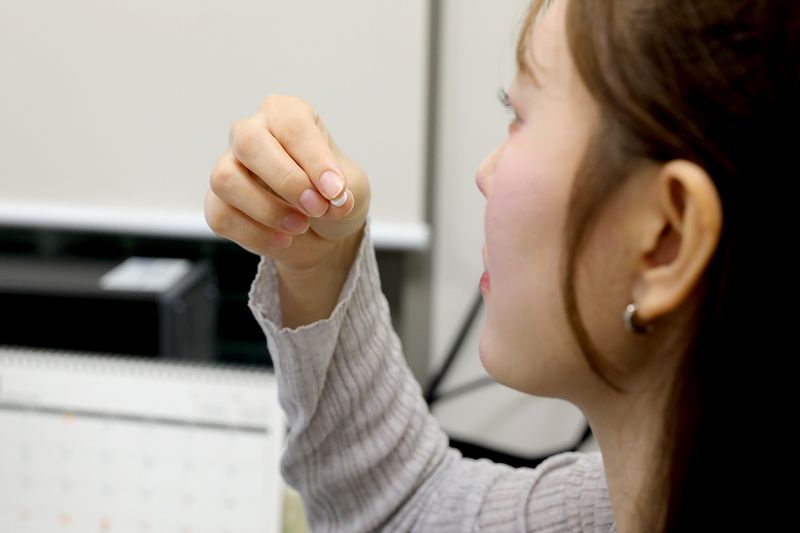
[Financial News] "Taking folic acid while preparing for pregnancy is one of the basic steps for the baby’s health."
A research team led by Professor Han Jeong-yeol of the Department of Obstetrics and Gynecology at Inje University Ilsan Paik Hospital analyzed 42,730 women in South Korea and found that only about 3 in 10 women took folic acid while preparing for pregnancy.
Women who took folic acid were more likely to practice healthy habits such as exercise. In contrast, women who smoked, drank alcohol, or had symptoms of depression or sleep disorders were less likely to take it.
The research team said folic acid use is not simply a matter of taking one supplement. It can also serve as an indicator of how actively a woman is managing her health before pregnancy.
The team surveyed 42,730 women aged 20 to 45 who participated in the Seoul preconception health management program from November 2017 to December 2023. Of them, 15,003 women, or 35.1%, said they were taking folic acid while preparing for pregnancy. The remaining 64.9%, or 27,727 women, were not.
Folic acid use rate at 35.1%... lower than in the Netherlands and Canada
The research team said South Korea’s pre-pregnancy folic acid use rate is higher than in some countries, but still needs improvement. The 35.1% rate in this study was higher than Japan’s 20.5% and Australia’s 23%, but lower than the Netherlands’ 51% and Canada’s 58%.
One of the most notable findings was the link between a history of miscarriage and folic acid use. After adjusting for other factors statistically, women with a history of spontaneous miscarriage were 3.55 times more likely to take folic acid than those without such a history. Women with a history of induced abortion were also 1.43 times more likely to take it.
Age also made a difference. Women aged 35 or older were 1.42 times more likely to take folic acid than those under 35. Women with a BMI of 23 kg/m2 or higher were also 1.07 times more likely to take it than women with a normal BMI. The findings suggest that women with prior pregnancy or miscarriage experiences, as well as older women, tend to pay more attention to preconception health management.
Clear differences were also seen in lifestyle habits. Women who exercised at least once a week were 1.18 times more likely to take folic acid than those who did not. Smokers were 26% less likely to take it than non-smokers, while women who drank alcohol were 24% less likely than those who did not. In simple comparisons, the folic acid use rate among smokers was 27.6%, lower than the 35.4% rate among non-smokers. Women who exercised at least once a week had a use rate of 36.0%, compared with 32.4% among those who exercised less often.
Mental health and sleep-related factors were also associated with folic acid use. Women who tested positive on a depression screening were 14% less likely to take folic acid, while those with insomnia were 8% less likely. Women who screened positive for binge eating disorder were also 13% less likely to take it. The research team said folic acid use is not meant to diagnose specific conditions or determine causes, but it may help identify women who need closer attention to preconception health and lifestyle management.
Socioeconomic factors also showed differences. Women with a monthly household income of at least 3 million won were 1.20 times more likely to take folic acid than those earning less. Unmarried women were 55% less likely to take it than married women. In simple comparisons, the folic acid use rate was 36.0% among women earning at least 3 million won a month, compared with 31.8% among those earning less. By occupation, white-collar workers such as office employees were less likely to take folic acid than full-time homemakers and unemployed women.
Prevention of neural tube defects up 72%... "Start three months before pregnancy"
Folic acid is an important nutrient for the healthy development of a fetus in early pregnancy. It plays a key role in supporting the normal formation of the neural tube and preventing neural tube defects. In a large randomized prevention trial cited in the paper, folic acid supplementation before and after pregnancy showed a 72% preventive effect in women at high risk for neural tube defects.
Another study found that women who took folic acid before pregnancy had a 48% lower risk of spontaneous miscarriage than those who did not. It also reported that women who started taking folic acid at least three months before the first day of their last menstrual period had a 20% lower risk of preterm birth. The World Health Organization (WHO) recommends taking 400 μg (0.4 mg) of folic acid daily from the time a woman begins trying to conceive until 12 weeks of pregnancy.
In this study, the team focused not only on the effect of folic acid itself, but also on who takes it and who does not. The results showed that folic acid use was associated not only with biomedical factors such as age and pregnancy or miscarriage history, but also with exercise, smoking, alcohol use, depressive symptoms, marital status, and income. The team suggested that folic acid use may serve as a surrogate marker of interest in preconception health and engagement in health management.
Professor Han said, "Since this study found that folic acid use is associated with a range of health-related factors, including exercise, smoking, drinking, mental health, and socioeconomic conditions, it is important in preconception care to check not only whether a woman is taking folic acid, but also her lifestyle and overall health status."
He added, "If you are planning a pregnancy, it is advisable to start health management at least three months before trying to conceive and to take folic acid consistently."
The study was published in the latest issue of the international journal Women's Health Reports.
[email protected] Medical Reporter Jung Myung-jin Reporter