"I Thought It Was Indigestion, But It Was a Warning Sign From the Heart"... Four in 10 Didn't Know [Health Talk]
- Input
- 2026-08-27 08:30:41
- Updated
- 2026-08-27 08:30:41
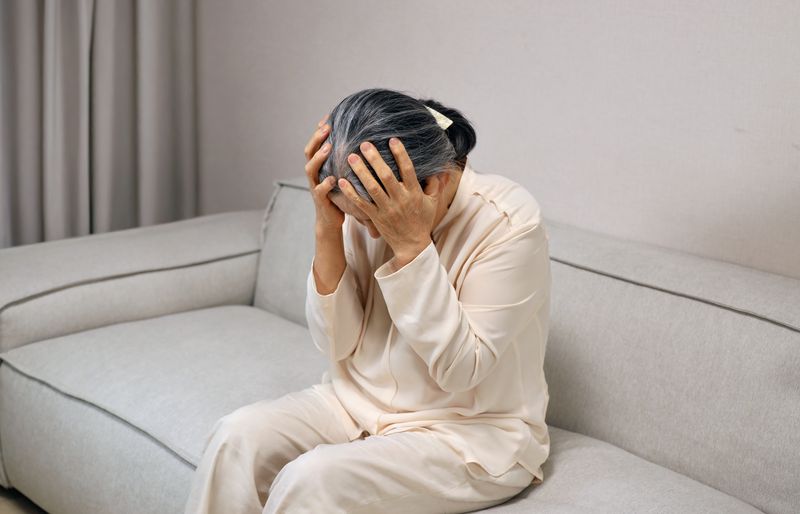
[Financial News] Myocardial infarction (MI) and stroke are emergency conditions that strike suddenly, but many people do not know their early warning signs accurately. Because a single episode can be life-threatening or leave severe long-term disabilities, it is important to recognize the symptoms in advance.
The first week of September is Cardio-cerebrovascular Disease Prevention and Management Week. Cardio-cerebrovascular disease is one of the leading causes of death in South Korea, and once it occurs, it can threaten life or leave serious aftereffects.
According to the 2025 Community Health Survey released by the Korea Disease Control and Prevention Agency (KDCA), awareness of early stroke symptoms stood at 60.7 percent, while awareness of early MI symptoms was 51.5 percent. That means four to five out of every 10 adults do not properly know the warning signs.
Typical symptoms of MI include cold sweats, shortness of breath, chest pain, and pressure in the chest. Stroke symptoms include facial drooping, weakness in the arms, and speech problems. If these symptoms appear, call 119 immediately and go to the hospital without delay.
Ischemic heart disease occurs when the coronary arteries that supply blood to the heart become narrowed or blocked, preventing enough blood and oxygen from reaching the heart muscle. Common examples include angina pectoris and MI.
Lee Jin-ho, a professor in the cardiology department at Kyung Hee University Hospital, said, "The symptoms and signs of ischemic heart disease vary, but early detection is difficult because the symptoms are often not clear at first." He added, "If chest pain or pressure in the center of the chest, or shortness of breath, keeps recurring when you exercise or climb stairs unlike usual, it is a good idea to seek medical care."
Angina pectoris causes chest pain or pressure when the heart needs more oxygen, such as during exercise, overeating, or excitement. The pain may also spread to the neck, jaw, or back. MI, on the other hand, occurs when a coronary artery suddenly becomes blocked. It can cause severe chest pain along with shortness of breath, cold sweats, and nausea. In some cases, vomiting or stomach pain may also occur, leading people to mistake it for acute indigestion or poor digestion.
Lee stressed, "Because MI is one of the leading causes of sudden death, it is important to find the blocked blood vessel as quickly as possible and restore blood flow." He added, "If symptoms suggesting MI, such as chest pain or shortness of breath, appear, do not wait thinking it is simple indigestion or fatigue. Call 119 immediately and get to the hospital quickly."
Sudden paralysis on one side and speech problems... Stroke should be suspected
Stroke is also a major cardio-cerebrovascular disease caused by blood vessel abnormalities. When a blood vessel in the brain becomes blocked, it causes cerebral infarction; when it ruptures, it causes cerebral hemorrhage. Once a brain vessel is blocked or bursts, blood and oxygen supply to brain tissue is cut off, leading to sudden neurological symptoms.
Woo Ho-geol, a professor in the neurology department at Kyung Hee University Hospital, said, "Stroke is characterized by the sudden onset of symptoms." He added, "If one arm or leg suddenly becomes weak, the face becomes paralyzed, speech becomes slurred, or it becomes difficult to understand what others are saying, stroke should be suspected."
Other possible symptoms include sudden dizziness and balance problems, vision impairment, and severe headaches with no clear cause. Even if the symptoms appear briefly and then disappear, you should not feel reassured. They may indicate a transient ischemic attack (TIA), in which a blood vessel is temporarily blocked and then reopened, so prompt evaluation and treatment by medical professionals is needed.
Woo emphasized, "With stroke, time is brain, so the faster treatment begins, the more brain damage and aftereffects can be reduced." He added, "It is important to remember when the symptoms started and, without delay, call 119 and go to an emergency medical facility."
The first step in protecting the heart and brain: managing blood vessels in daily life
MI and stroke affect different parts of the body, but they share common risk factors such as high blood pressure, diabetes, dyslipidemia, smoking, and obesity. For that reason, blood pressure, blood sugar, and cholesterol levels should be checked regularly, and any abnormalities should be actively managed.
Lee said, "Blood vessels do not become healthy or unhealthy overnight; they change over a long period of time." He added, "It is important to manage blood pressure and cholesterol from a young age and to build a habit of exercising consistently."
Woo said, "Preventing cardio-cerebrovascular disease starts with steadily managing risk factors rather than relying on special methods." He added, "I hope this prevention and management week serves as an opportunity to check your blood pressure, blood sugar, and cholesterol levels and review your vascular health."
[email protected] Medical Reporter Jung Myung-jin Reporter