"Can Obesity Cause an Umbilical Hernia?" Chronic Conditions That Can Lead to Hernias and Cholecystitis [Health Talk]
- Input
- 2026-08-26 15:23:18
- Updated
- 2026-08-26 15:23:18
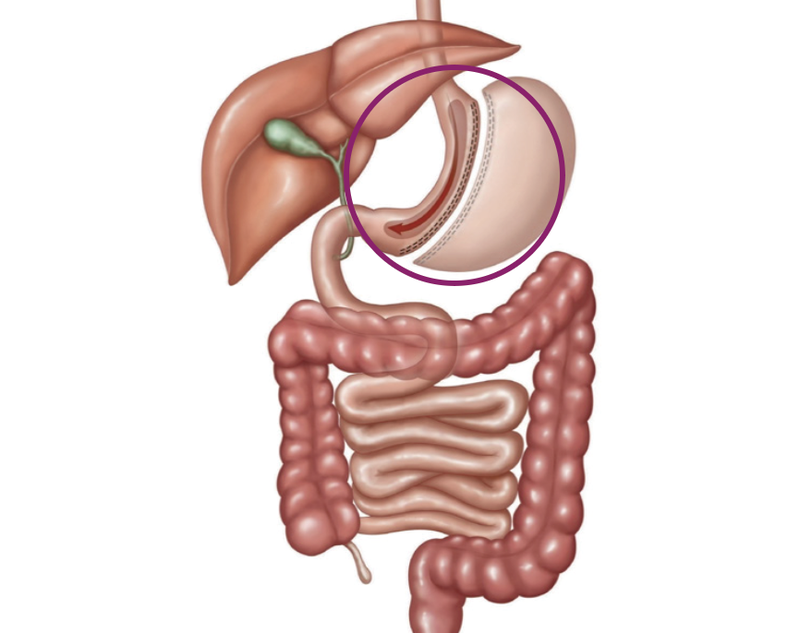
[Financial News] A man in his 60s who was severely obese and also had an umbilical hernia and cholecystitis regained his health after undergoing bariatric surgery, hernia repair and cholecystectomy at Incheon Sejong Hospital.
Mr. A, 64, is an obese patient who is 172.2 cm tall, weighs 98.6 kg and has a body mass index of 33.25 kg/m2. He also has underlying conditions, including hypertension, diabetes and dyslipidemia. An herbal weight-loss treatment he tried to lose weight quickly ended up being pointless, as the weight soon returned. Chronic indigestion made visits to the gastroenterology department part of his daily life. In the end, obesity was the root of the problem. A few years ago, he considered bariatric surgery, specifically sleeve gastrectomy, which reduces food intake by removing part of the stomach. But because it was still surgery, he hesitated. And so, without doing anything, his life with obesity continued.
Then, recently, Mr. A began feeling pain around his navel. He thought it would go away soon, but the pain persisted, and he eventually went to the emergency room at Incheon Sejong Hospital. Tests, including a CT scan, showed an umbilical hernia. Excess fat had accumulated in his abdomen, putting pressure on the navel, a weak point in the abdominal wall, and eventually causing the hernia. If obesity continues, the hernia can recur even after surgery.
In the end, Mr. A decided to undergo hernia surgery and sleeve gastrectomy at the same time. But another problem emerged. Preoperative tests also revealed cholecystitis. Obesity can alter cholesterol metabolism and bile composition, increasing the likelihood of cholesterol gallstones. If those stones block the cystic duct, they can lead to cholecystitis. Mr. A ultimately underwent sleeve gastrectomy, umbilical hernia repair and cholecystectomy at Incheon Sejong Hospital, and was recently discharged safely.
Mr. A said, "Until now, I thought obesity was simply a matter of needing to lose weight. But after dealing with hypertension and diabetes, and now a hernia and cholecystitis, I realized that body weight is connected to many diseases." He added, "Bariatric surgery is not just about weight loss or improving appearance. It is treatment for health."
The heavier a person is, the greater the risk of an umbilical hernia
According to Incheon Sejong Hospital, when Mr. A arrived at the emergency room, his mesentery had become trapped in the umbilical hernia and was necrotizing, which had spread into soft tissue infection.
The navel is where the umbilical cord enters the body at birth, so there is a small defect in the normal anatomy of the abdominal wall. In cases of severe obesity, excessive visceral fat accumulation or a protruding abdomen, this tiny opening can widen, allowing the mesentery or small intestine to become trapped there. That is why umbilical hernias are common in patients with severe abdominal obesity.
In many cases, the condition improves on its own when bariatric surgery leads to major weight loss and a reduction in visceral fat. In Mr. A's case, however, if his abdominal obesity was not resolved, the umbilical hernia was expected to recur with almost a 100% probability, making bariatric surgery essential.
"Obesity, a shared risk factor, must be managed first"
Lee Seong-bae, the surgeon who performed the operation and head of the Bariatric and Metabolic Surgery Center at Incheon Sejong Hospital, said, "Obesity is a risk factor that affects the development and recurrence of umbilical hernias, and it also raises the risk of gallstones and gallbladder disease." He explained, "Mr. A had long been advised to lose weight, but he failed to do so on his own and remained obese for a long time. In the end, he developed an umbilical hernia, and preoperative tests also confirmed cholecystitis. We concluded that it was necessary to manage not only each disease that had already appeared, but also obesity, the common risk factor behind them."
He added, "Surgery for an umbilical hernia or gallbladder removal treats diseases that have already occurred, while sleeve gastrectomy aims to improve obesity and its related health risks through long-term weight loss." He noted, "Obesity should be recognized as a chronic disease that can increase the risk of various illnesses, and it needs to be managed actively."
[email protected] Medical Reporter Jeong Myeong-jin Reporter