Emergency inspection of 160,000 kg of Chinese cabbage finds no formaldehyde, fueling distrust as China’s probe remains incomplete
- Input
- 2026-08-26 15:10:26
- Updated
- 2026-08-26 15:10:26
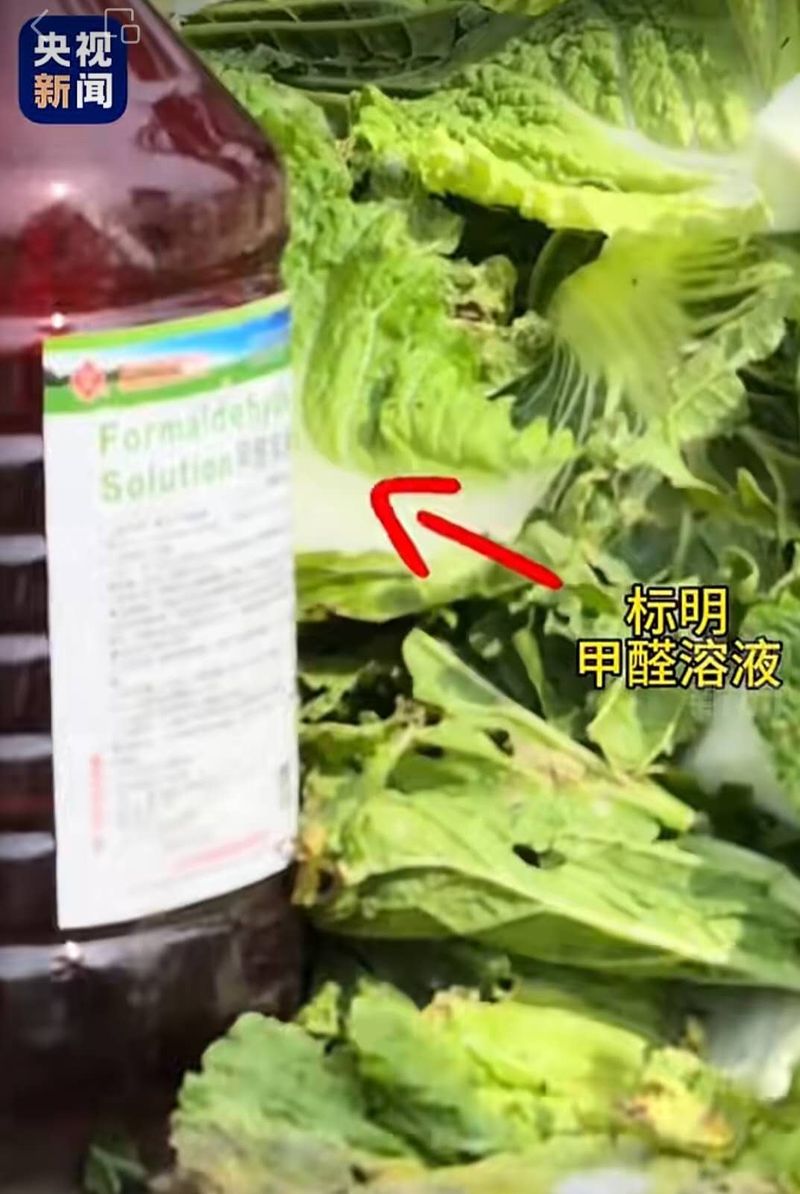
[Financial News] Even after the government announced emergency test results showing that no formaldehyde, a Group 1 carcinogen, was detected in Chinese cabbage, consumer anxiety over food safety has shown little sign of easing.
According to the Ministry of Food and Drug Safety on the 26th, the agency tested eight shipments of Chinese cabbage at customs between the 24th and 25th, shortly after the controversy over the use of formaldehyde in cabbage in China emerged. No formaldehyde was detected. The eight shipments tested amounted to 168,710 kg, all imported from China over the past two days.
Since tightening inspection measures at customs on the 24th, MFDS has been testing every shipment of Chinese cabbage imported from China for formaldehyde.
It is also collecting and testing all products made by Chinese manufacturers that are being sold domestically, including Chinese cabbage, napa cabbage kimchi, and salted cabbage. The agency is first conducting inspections on importers, then carrying out trace investigations on cabbage and kimchi already distributed in the market. MFDS aims to release the results as early as this week.
Formaldehyde is a hazardous substance classified by the International Agency for Research on Cancer (IARC), a WHO-affiliated body, as a Group 1 carcinogen. It is used in industrial applications, disinfection, and the preservation of biological tissue.
Earlier, Chinese authorities launched a special investigation after some rural areas in China were found to have used formaldehyde to keep cabbage fresh.
MFDS is communicating with the Chinese government to confirm whether cabbage treated with formaldehyde was imported into South Korea.
An MFDS official said, "We will continue to monitor information related to cabbage treated with formaldehyde in China and strengthen inspections so that the public can consume food with confidence."
However, despite the government’s swift response, market sentiment remains cold. China has yet to release the results of its own investigation into whether the cabbage treated with the carcinogen was actually exported to South Korea.
In particular, after the earlier "naked kimchi" scandal that sparked hygiene concerns, allegations that formaldehyde, a Group 1 carcinogen, was used have surfaced one after another. As a result, consumers’ accumulated distrust and anxiety over Chinese food products are expected to continue for some time.
A restaurant industry official said, "During the 'naked kimchi' controversy in the past, customers would not eat the kimchi itself, so leftovers piled up and sales took a big hit. This time, with talk of a Group 1 carcinogen, the anxiety is much greater." The official added, "No matter how much customs procedures are tightened, distrust is unlikely to subside for now unless there is a clear explanation that consumers can trust about the manufacturing process in China."
[email protected] Kim Seo-yeon Reporter