Canada, the No. 2 supplier of cosmetics to the United States, hit hard by tariff shock... Will Korea benefit?
- Input
- 2026-08-26 14:24:26
- Updated
- 2026-08-26 14:24:26
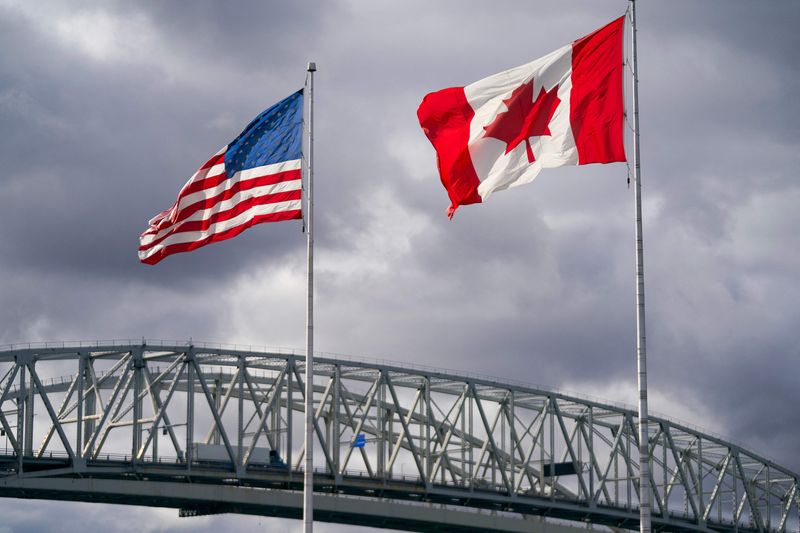
[Financial News] The United States is expected to see major changes in its imported cosmetics market as it begins imposing a 50% tariff on cosmetics imported from Canada this month. Canada, home to factories of major global companies, supplies the United States with the second-largest volume of cosmetics after Korea.
In reports on the 25th local time, Canadian business outlet Financial Post and other foreign media said major cosmetics companies with North American production bases in Canada are expected to be affected by the U.S. tariff measures. An anonymous industry source cited U.S. brand Estée Lauder and French brand L'Oréal, claiming they are exposed to additional tariff risks. The United States began imposing an additional 50% tariff on Canadian cosmetics and other products on the 22nd, and Canada is also set to apply retaliatory tariffs at the same rate on some U.S. cosmetics starting Sept. 8.
According to the United States International Trade Commission (USITC), Korea was the largest exporter of cosmetics to the United States last year, with $1.8 billion worth of shipments, while Canada exported $1.1 billion worth of products. France followed with $999.25 million, Italy with $874.9 million, and China with $571.7 million.
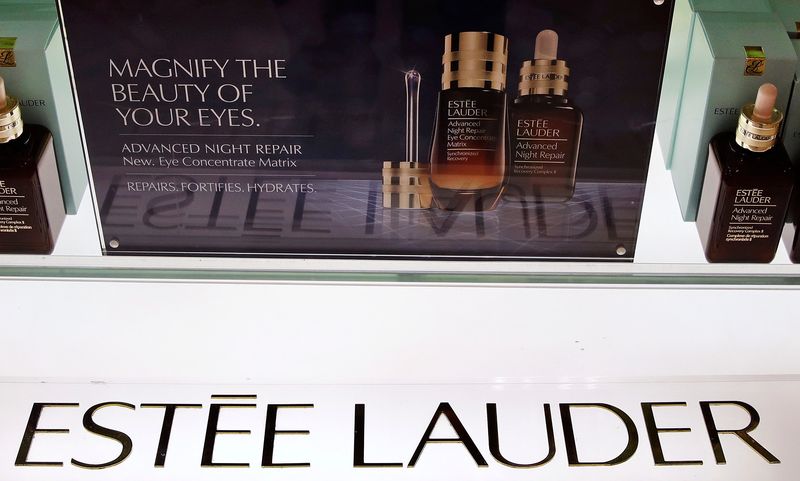
There are currently 39 L'Oréal-affiliated brands in Canada, and about 1,700 people work in related jobs, including at logistics centers and production plants in Quebec. Estée Lauder brands made in Canada, including M.A.C and the skincare brand The Ordinary, are also expected to be affected by the tariff. Estée Lauder declined to comment on the report, and L'Oréal did not respond to requests for comment.
Darren Praznik, president of Cosmetics Alliance Canada, said the North American supply chains of major cosmetics manufacturers are highly integrated. He stressed that Canada's cosmetics industry exports "70% to 98% of the products produced at each factory." Praznik said the tariff dispute between the two countries will "cause unusual disruption to product supply chains," adding that large companies may be able to adapt, but only with time and cost.
Financial Post said cosmetics prices will not rise immediately along with the tariff increase, but over the long term companies may adjust prices and reorganize supply chains. Some social media influencers noted that higher tariffs could reduce impulse purchases of cosmetics priced around $10.
[email protected] Park Jong-won Reporter