Jeju Exports Jumped 417%, but... 98% of the Increase Was from Semiconductors and Used Aircraft
- Input
- 2026-08-26 09:15:26
- Updated
- 2026-08-26 09:15:26
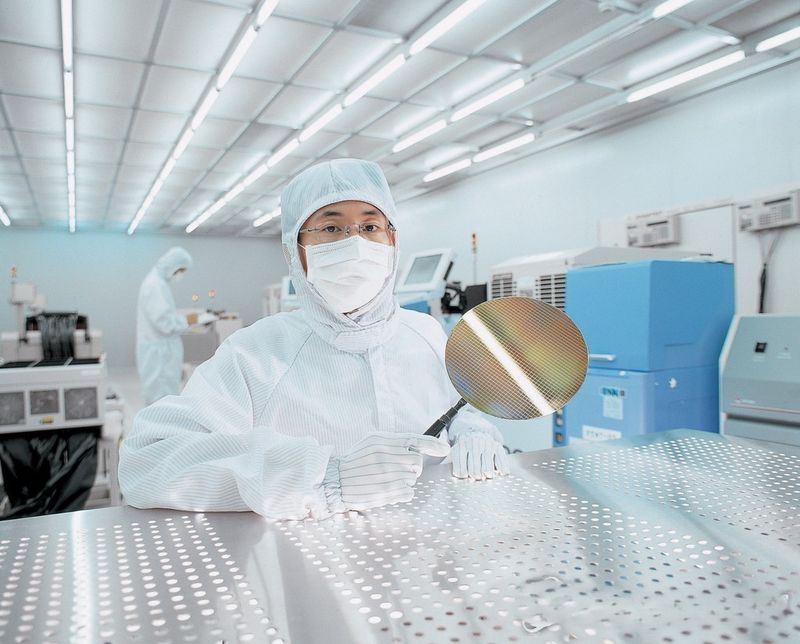
3% in July compared to the same month last year, recording the highest growth rate nationwide. However, 98% of the increased export value came from semiconductors and the sale of used aircraft by local airlines.
8 billion won) in the same month last year.
0%, ranking first among the 16 regions in terms of growth rate. However, in terms of export value, it ranked 15th, ahead of Sejong.
5 billion won). 3 billion won). 3 billion won) over the past year, turning from a deficit of $49,172,000 last July into a surplus.
The primary driver of the surge in exports was semiconductors. 8% increase compared to the same month last year. 9% of Jeju's total exports.
Exports to Hong Kong were the highest at $77,404,000 (about 107 billion won), and exports also expanded to Taiwan and Vietnam. Driven by the semiconductor boom, Hong Kong maintained its position as Jeju's largest export destination.
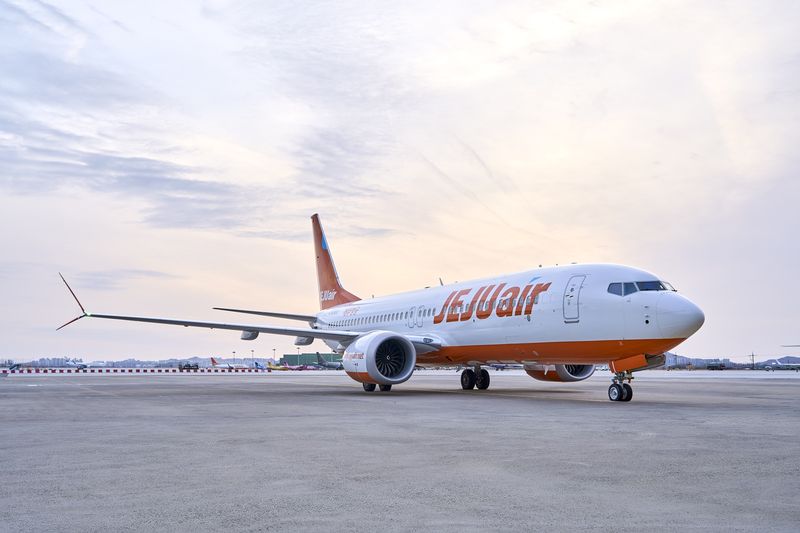
/Photo provided by Jeju Air The second variable was used aircraft. As a local airline sold used aircraft, $66,527,000 (approximately 92 billion won) was newly recorded as July's exports. This is a one-time transaction reflected in trade statistics based on customs clearance. With the export of these aircraft to Spain, Spain instantly rose to second place among Jeju's export destinations.
6% of Jeju's total exports.
The concentration based on the increase in value is even higher. Jeju's exports in July increased by $135,263,000 (approximately 187 billion won) compared to a year ago. 0% of the total increase.
Even excluding the sale of used aircraft, the growth trend in Jeju's exports remains strong. 8 billion won), an increase of about 212% compared to the same month last year. This means that the expansion of semiconductor exports boosted overall performance even after excluding the one-time factor of aircraft.
8 billion won). 1 billion won) during the same period last year. 3%.
Some of Jeju's existing export products also saw growth. 9 billion won). 6%, driven by factors such as an increase in other processed seafood products. 2 billion won).
8 billion won). 6 billion won), the UAE has entered Jeju's fifth-largest export market. While the absolute scale is difficult to compare with semiconductors, it is a notable change in terms of product and market diversification.
The July performance shows that while Jeju's exports are growing rapidly, the dependence on specific items is also high. The quality of Jeju's future exports is expected to be determined by whether the semiconductor growth trend can be maintained even after eliminating unrepeatable transactions like used aircraft, and how much other export products, such as agricultural and marine products, cosmetics, and pharmaceuticals, can be expanded.
[email protected] Jeong Yong-bok Reporter