"I Haven't Even Drunk Alcohol, So Why?" ... What SOS Is the Liver, the 'Silent Organ,' Sending? [Health Talk]
- Input
- 2026-08-26 09:02:12
- Updated
- 2026-08-26 09:02:12
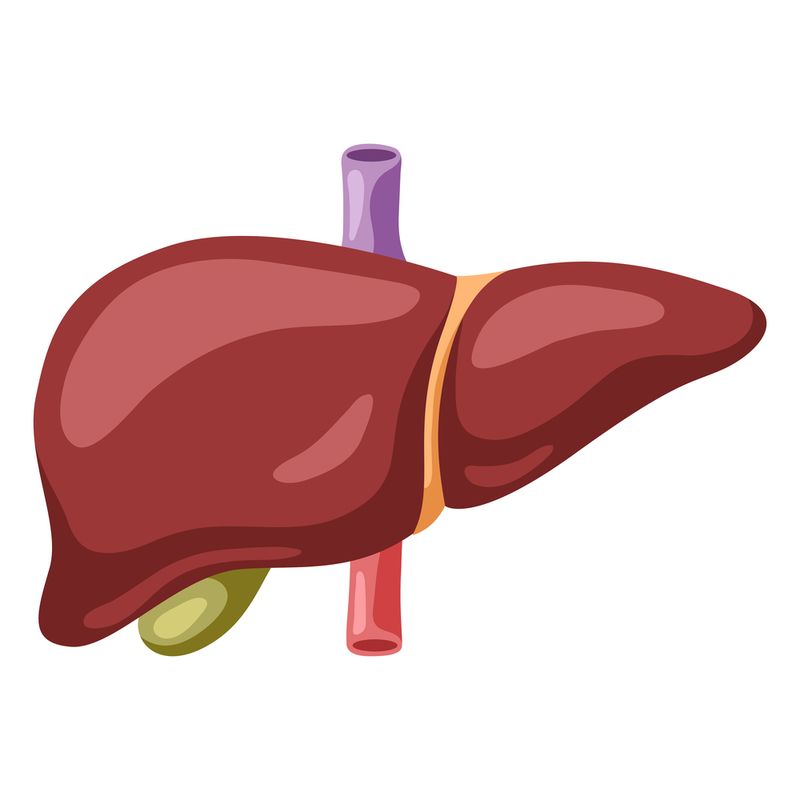
[Financial News] The liver, our body's 'chemical factory,' rarely cries out in pain. But one day, it can suddenly shut down. That is hepatic failure.
Park Jin-woo, head of the Liver Failure Center at Myongji Hospital, warned that "the liver, which is responsible for detoxification, protein synthesis and hormone regulation, can be badly damaged without causing much pain." He added that "by the time people notice something is wrong, they are often already in the stage of liver failure, when liver function has seriously declined."
Hepatic failure is not a single disease name. It refers to a condition in which widespread damage to liver cells reduces the liver's basic life-sustaining functions. As the body can no longer properly detoxify harmful substances, metabolize nutrients, produce bile or make clotting factors, the condition becomes dangerous and affects organs throughout the body.
The causes vary. In recent years, major causes have included fatty liver disease linked to obesity and diabetes, hepatitis B and C, autoimmune diseases, and liver damage caused by drugs or health supplements. Even people who rarely drink alcohol cannot feel safe. In particular, one of the main causes of acute hepatic failure is drug-induced liver injury. Unverified folk remedies, juices, excessive combinations of supplements, or even overuse of anti-inflammatory painkillers can lead to acute hepatic failure.
Hepatic failure can also appear suddenly in people who had no prior liver disease. Acute hepatic failure can develop within days to weeks due to viral infections or medications, and jaundice and impaired consciousness may progress rapidly. By contrast, chronic hepatic failure refers to a condition in which the liver gradually hardens and loses function over a long period of chronic hepatitis or liver cirrhosis.
Hand tremors and personality changes are also warning signs ... Jaundice and impaired consciousness require an immediate trip to the emergency room
Common symptoms include fatigue and loss of appetite, and they may be accompanied by jaundice, dark urine, abdominal bloating, leg swelling and itchy skin. As the disease progresses, bruising, nosebleeds and gum bleeding can occur more easily, and hand tremors or changes in personality and behavior may also appear. These may be symptoms of hepatic encephalopathy, which occurs when toxic substances such as ammonia that the liver can no longer detoxify affect the brain.
There are also signs that require special attention. If jaundice is accompanied by severe drowsiness, slurred speech or other changes in consciousness, or if a person becomes confused about people, time or place and is difficult to wake, they should go to the emergency room immediately. The same applies to symptoms that suggest bleeding, such as vomiting blood, black stools, severe dizziness and cold sweats. In patients with liver cirrhosis, abdominal pain with fever, a sudden increase in ascites, or reduced urine output may indicate a serious complication, so medical care should not be delayed.
People should not feel reassured just because their liver enzyme levels are normal on a health checkup. AST and ALT, commonly called 'liver enzyme levels,' are indicators of the degree of liver cell damage rather than liver function itself. In cases where liver cirrhosis has progressed significantly, they may even remain within the normal range or not rise much. Park said, "The condition of the liver should be assessed by checking bilirubin, Albumin, blood clotting values (PT/INR), platelets and kidney function together, and if necessary, by combining abdominal ultrasound and liver fibrosis tests." He added, "It is important to look at changes in test results and symptoms together, rather than relying on a single test result."
Diagnosis and treatment should proceed at the same time as the cause is identified ... In severe cases, liver transplantation is the only solution
The key to diagnosis and treatment is to identify the cause while treating the patient. Medical staff check for existing liver disease and a history of alcohol, drugs, herbal medicine and health supplement use, then use blood tests and imaging studies to find the cause. In particular, acute hepatic failure can worsen within hours, so consciousness, blood sugar and kidney function must be monitored continuously, and intensive care is provided in the intensive care unit when needed. Treatment includes antidotes, antiviral drugs and immunotherapy depending on the cause, while complications such as hepatic encephalopathy, bleeding, infection and kidney failure are managed. Park stressed that "rather than relying on commercial 'liver detox products' or dietary supplements, it is important to identify the cause and treat it quickly."
If the chances of liver recovery are low, hepatic encephalopathy progresses rapidly, or the function of multiple organs such as the kidneys and circulatory system worsens, liver transplantation may be the only life-saving treatment. Park said, "Acute hepatic failure and acute-on-chronic liver failure (ACLF) can worsen in a short time, so rapid collaboration among multiple departments, including Gastroenterology, surgery, the Organ Transplantation Center and the Department of Radiology, is necessary." He added, "If liver transplantation is needed, the possibility of transplantation must be assessed early, so the role of a specialized center is crucial."
For prevention, the key is to 'give the liver a rest.' People should avoid unverified health supplements, juices and misuse of medications, and should complete screening for hepatitis B and C as well as hepatitis B vaccination. For people with chronic liver disease or fatty liver, regular liver ultrasound exams and blood tests are important.
[email protected] Medical Reporter Jeong Myeong-jin Reporter