Iran and Oman Push for Temporary Joint Shipping Corridor in the Strait of Hormuz, Opening a Diplomatic Path Forward
- Input
- 2026-08-26 02:07:57
- Updated
- 2026-08-26 02:07:57
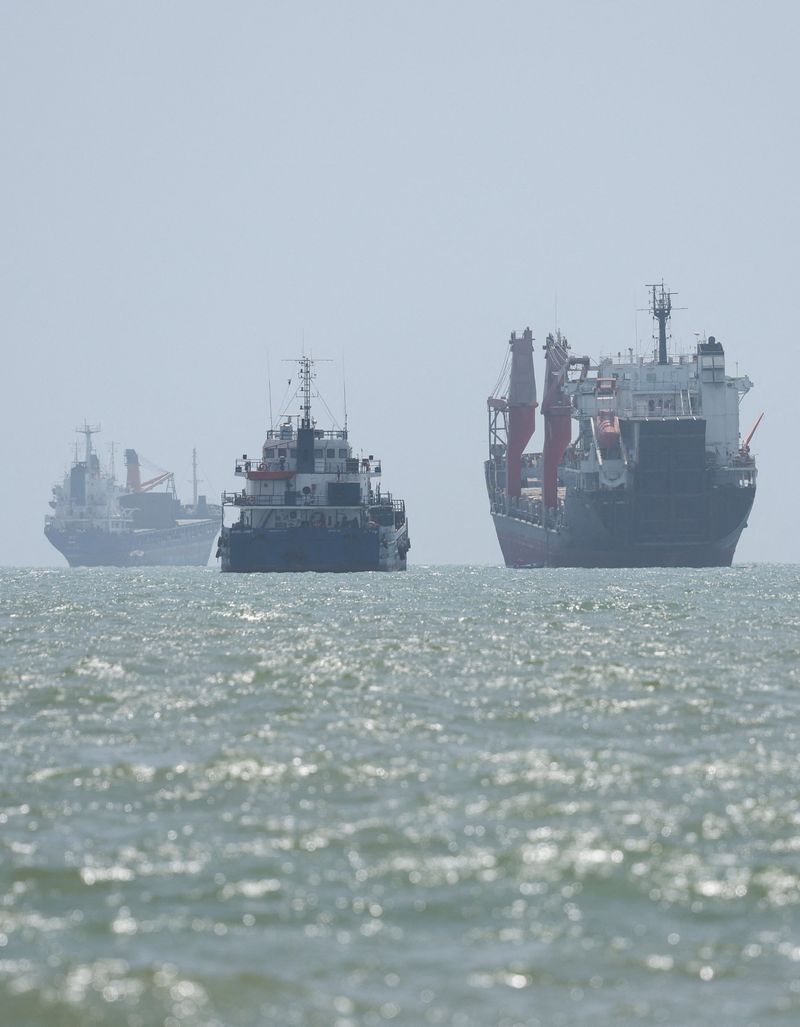
Iran and Oman have agreed to pursue the establishment of a "temporary joint maritime corridor" to resume safe navigation in the Strait of Hormuz, along with a "joint project to remove mines." Financial Times (FT) said this was the first sign that efforts to clear the war cloud hanging over the key global energy shipping route through diplomacy were making progress.
According to FT, Al Jazeera and other major foreign media outlets on the 25th local time, Iranian Foreign Minister Abbas Araghchi and Omani Foreign Minister Badr bin Hamad Al Busaidi reached the agreement in Tehran, the Iranian capital.
In a joint statement released by the Ministry of Foreign Affairs of the Islamic Republic of Iran, the two foreign ministers emphasized the importance of reaching an agreement that respects each country's sovereignty.
According to the statement, Araghchi and Al Busaidi discussed a series of frameworks, including "opening a temporary joint navigation corridor through the Strait of Hormuz and promoting a joint project to remove mines laid in the strait." The idea is to work toward a solution step by step.
They also said the two countries would continue working-level talks to reach agreement on "building a permanent navigation corridor, future long-term management of the strait, establishing an information-sharing system, maritime traffic management, and the provision of related maritime and security services."
Finally, the two foreign ministers confirmed "the importance of holding joint discussions with neighboring countries in the region that border the Persian Gulf." They agreed that any deal must comply with international law and respect the sovereignty of neighboring states.
Omani Foreign Minister Al Busaidi said, "We hope to announce a substantive agreement soon to restore a temporary navigation corridor in the Strait of Hormuz and ensure safe passage."
Iran, however, stressed that the agreement with Oman does not immediately allow completely free passage through the Strait of Hormuz. It repeated its longstanding position that the United States must first meet the conditions set by Iran. Those conditions include lifting the maritime blockade on Iran and reinstating the suspended waiver on sanctions against Iranian oil exports.
Iran and Oman are countries that face the Strait of Hormuz and effectively control the waterway.
The announcement by Oman and Iran that they would gradually work toward reopening the Strait of Hormuz came the day after the United States shifted from new military action against Iran to economic sanctions, amid President Donald Trump's frustration that even military operations had failed to reopen the waterway.
[email protected] Song Kyung-jae Reporter