"I Was Also Someone Who Lost My Job to AI... There Is No Need to Panic" - Professor Lee Sedol [AI WORLD 2026]
- Input
- 2026-08-31 13:42:53
- Updated
- 2026-08-31 13:42:53
A decade later, AI has become part of everyday life. Professor Lee described himself as "the first person to lose a job to AI." As AI emerged, the meaning of Go, the game he had devoted his life to, changed, and he eventually chose to retire. Job losses and career shifts caused by AI are now a concern for society as a whole, but he experienced that reality 10 years earlier.
Even so, he is still searching for a new path. Lee said, "I am also looking for a career path after retiring as a Go player, and I am trying to find my main path." He added, however, that there is no need to look at the future of the AI era with only anxiety. What matters, he said, is finding what you want to do, building the skills you need, and taking on new challenges. For him, who encountered AI before almost anyone else, the past 10 years are still unfolding in the present.
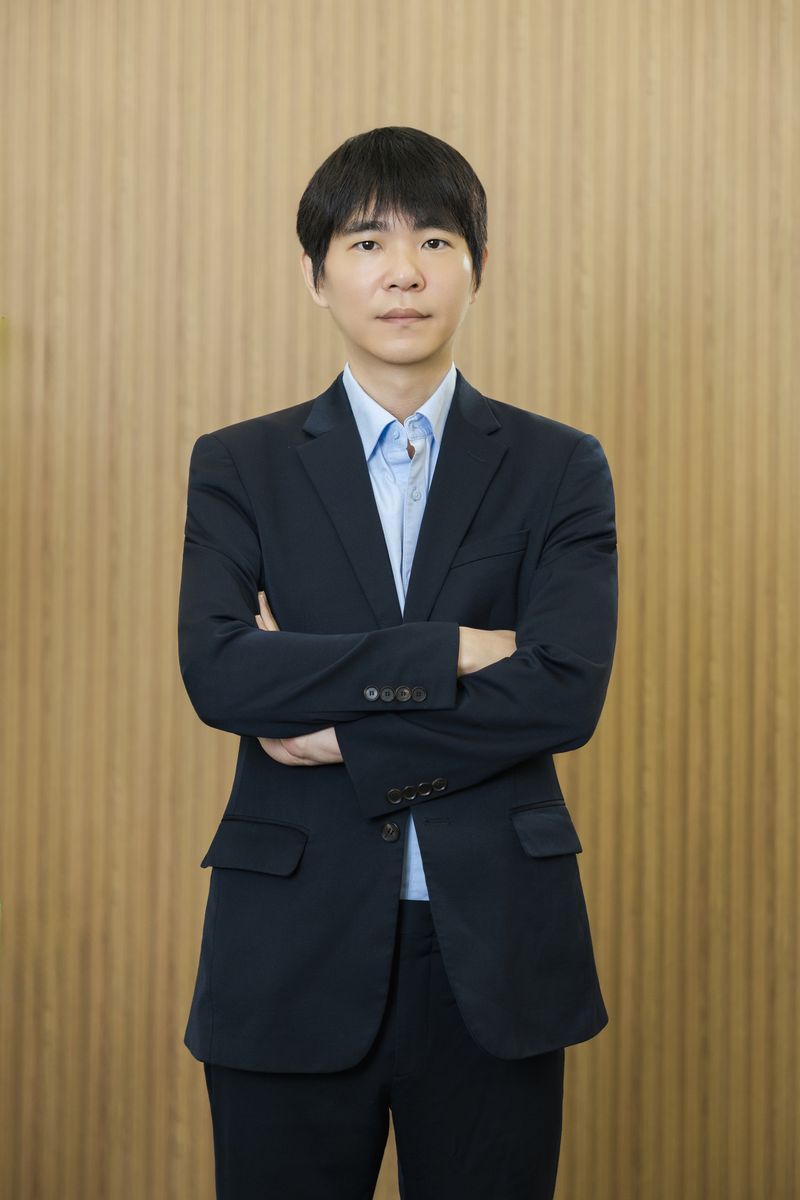
The pace of AI change is limitless... It is still too early to declare any limits.
Ahead of AI WORLD 2026, co-hosted by Financial News and the Ministry of Science and ICT on Sept. 9, Lee met with Financial News on the 31st and reflected on AI's transformation over the past decade. "I knew AI would clearly have a huge impact on our lives, but I did not know it would take this form," he said.
AI advanced faster than he expected after his 2016 match with AlphaGo. Lee said, "Around 2018, generative AI that creates images appeared, and with large language models (LLMs) added on top of that, the changes became even bigger than expected." He added, "Using AI has now become completely natural, and we are in the era of Agentic AI." He believes even this current era of Agentic AI may last only a few years at most before moving to another stage.
The Go world experienced these changes earlier than other fields. "The Go community encountered AI about five years earlier than other industries," he said. "I learned Go as a form of art. Art does not really have a correct answer, and it should not have one. But with AI, we ended up studying by looking at what was essentially the answer sheet."
Lee also laughed and said, "In a way, I was the first person to lose my job in the AI era." Even so, if he could go back to 2016, he would still choose to play AlphaGo. "The fact that I was the first person to face AlphaGo is actually a great honor," he said. "What I regret is that I knew too little about AI at the time and was not well prepared. I think things could have changed a lot if I had prepared more."
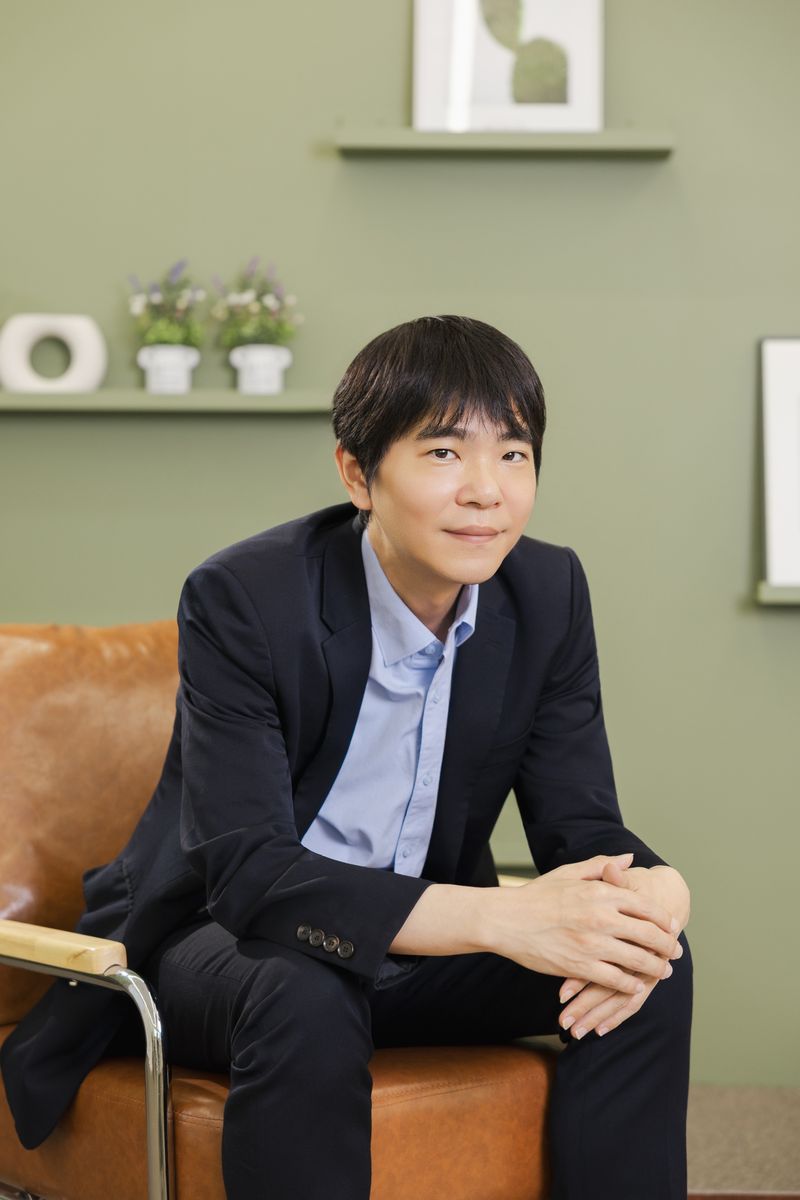
A person who lost a job to AI... and then searched for a new "main path"
One major reason Lee decided to retire in 2019 was that AI changed the meaning of being a Go player. "I had naturally thought I would become someone who advanced Go technique, or someone who suggested a broader direction and inspired others through that," he said. "But that was no longer possible once AI appeared. If you have to understand AI and keep up with it, how can you present technical progress or a broader direction? So the meaning was lost." In his view, once that meaning disappeared, he had to find something else.
Life after retirement became a process of finding a new "main path." He worked in broadcasting, wrote books, gave lectures, created board games, and even stood at the front of university classrooms.
"When I retired, I never imagined I would end up writing books or making board games," Lee said. "At first, I just kept challenging myself. By approaching things step by step, I was able to keep improving, even if it was not something I was especially good at."
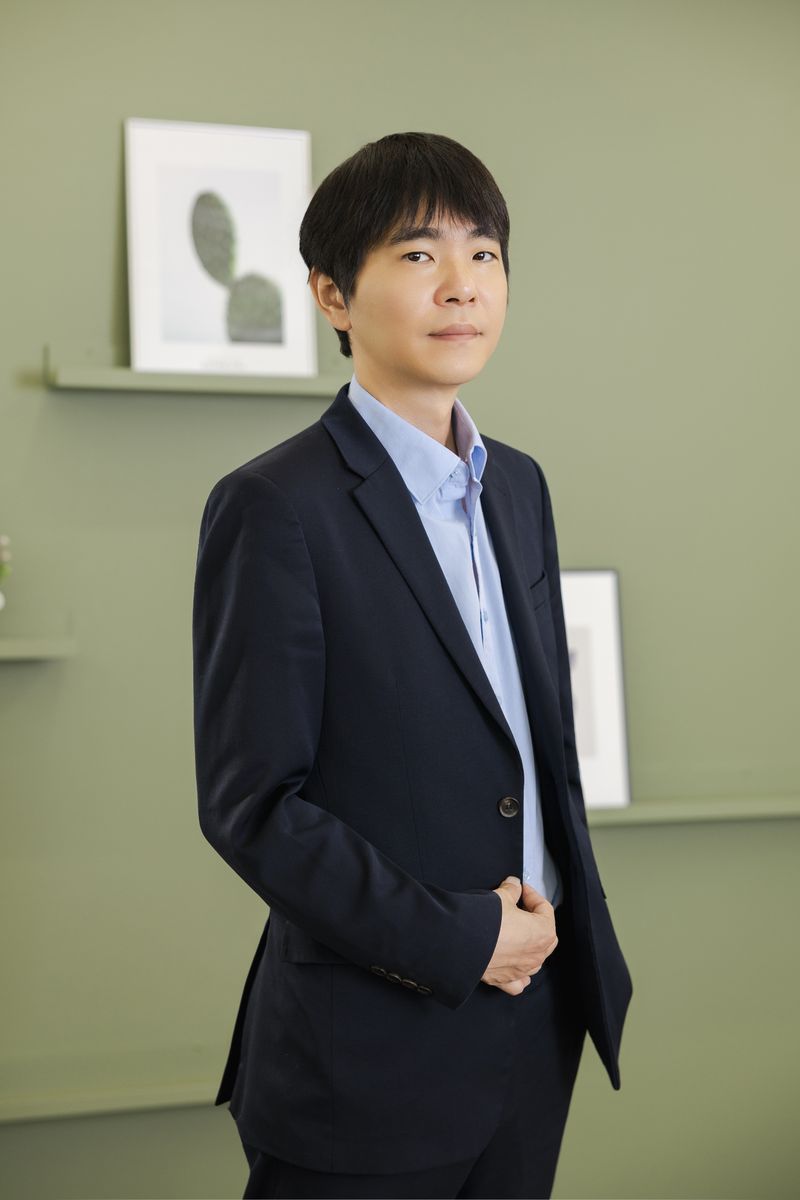
As AI rapidly reshapes the job market, his experience is no longer just a personal story. "It was already hard to get a job, and now, with AI, more companies are saying they will not hire entry-level workers at all," he said. "But the idea of job preparation itself no longer makes sense. The term 'job seeker' should disappear. What matters now is not preparing for employment, but preparing for what kind of work you will do."
Even in the AI era, what ultimately matters is "my own thoughts and skills."
The message he emphasized for future generations living in the AI era was also about having their own thoughts. "These days, because people study through AI, their own thinking becomes a bit weaker," he said. "You have to clearly express your own ideas. In the end, your own thoughts are the most important thing."
Referring to Shin Jin-seo, who defeated KataGo this year, Lee advised him to "play your own Go." That means putting your own ideas into the many possible variations and patterns, and then trying them out. He added, however, that enough skill must support those ideas if you want to express them fully.
He also said that basic knowledge and capability are necessary to use AI properly. "Students' use of AI is much lower than I expected," he said. "Because they have not built up enough foundation, they cannot use it well. In the end, they need to build knowledge through AI." He also believes AI crimes such as deepfakes, which have recently become a social problem, should be addressed with AI.
Ultimately, he said coexistence with AI is what matters. "I think the first thing we need to ask is why we are using AI," he said. "We should think about why companies apply AI in the first place, and whether they are doing it simply to improve efficiency and productivity."
For example, if a work process that once required eight hours can be reduced to four hours with AI, then the key question becomes how to use the remaining four hours.
"The extra time created by AI could be used for many different things," he said. "What matters is how we use it. Depending on that, many new businesses will emerge." Lee added, "If someone is preparing to start a business and comes up with a good idea, it would be great if the company invested and also provided consulting. That would be good for both the company and the person. Many real opportunities can emerge within that process."
[email protected] Reporter Yeon Ji-an Reporter