[Editorial] POSCO’s Lithium Success in Argentina Shows Why the Government Must Step In
- Input
- 2026-08-25 19:03:50
- Updated
- 2026-08-25 19:03:50
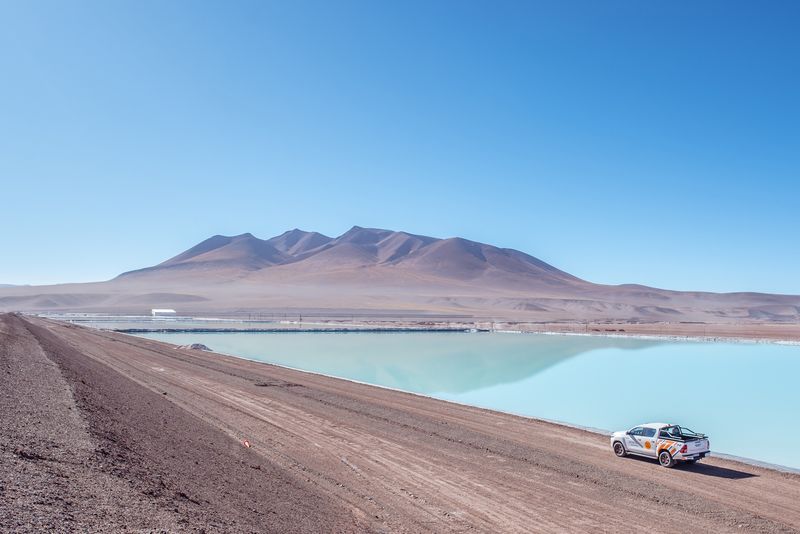
Lithium, which is indispensable for EVs and electrical grid construction, is often called "white oil." Along with rare earths, it has become a strategic resource, and large deposits are found in South American countries such as Chile and Argentina, as well as in China and Africa. South Korea imports about 70% of the lithium it needs each year for rechargeable battery production from China, leaving it highly dependent on the country.
Lithium is a resource over which supply-chain control is crucial. Zimbabwe caused a stir earlier this year by banning exports, while some South American countries have shown signs of nationalization. In this environment, POSCO Holdings Inc. has established a local subsidiary, succeeded in producing lithium, secured sales channels, and generated operating profit. It stands as a major success story in overseas resource development.
Overseas resource development projects were effectively halted after reckless investment during the Cabinet of Lee Myung-bak led to massive losses. With government support cut off, POSCO Holdings Inc.'s lithium project in Argentina is truly the result of private-sector perseverance.
Countries around the world are still engaged in a state-led race to secure limited resources on Earth. For a country like South Korea, which lacks abundant natural resources, it is painful that the government has largely turned away from overseas resource development after getting off to the wrong start. Private-sector projects have also shrunk as a result. China has long taken the lead by building infrastructure in Africa and elsewhere to secure resources. Japan also supports overseas resource development through investment and guarantees from the state-run Japan Organization for Metals and Energy Security (JOGMEC).
The mistakes of past administrations remain mistakes, but the importance of resource development has not changed. Semiconductor development is not the only field that resembles war. Resource development is also a fierce competition, one that can be described as a war without guns. The government and the National Assembly must now recognize the importance of overseas resource development and revise the relevant laws to provide support.
This is not something that should be left to private companies alone. While South Korea has stood by, major countries such as China have been securing overseas resources by offering various incentives. If the country continues to watch passively, there is no guarantee that it will not face a future in which it cannot make products because it lacks the necessary materials.
Private companies inevitably face limits. If development fails, they must bear enormous losses, so they are bound to act cautiously. Resource development requires accepting 10 failures for one success. That is because the national benefits of success are so great. Like Japan, South Korea needs a public-private partnership in which the government provides guarantees and the private sector carries out development.