The U.S. Moves to Cut Off Iran’s Funding as Tehran Threatens to Block the Strait of Hormuz, with China Emerging as the Biggest Variable
- Input
- 2026-08-25 18:25:39
- Updated
- 2026-08-25 18:25:39
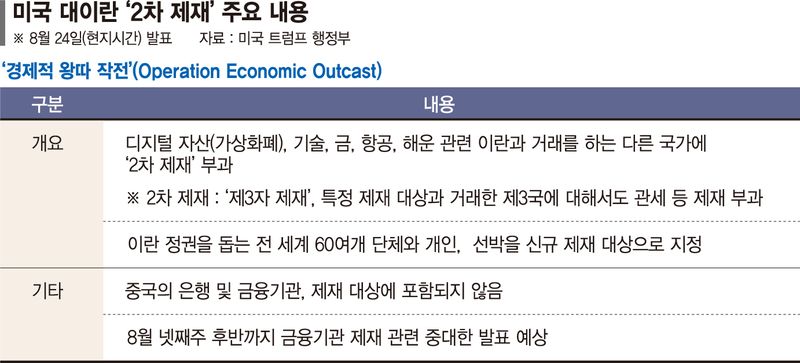
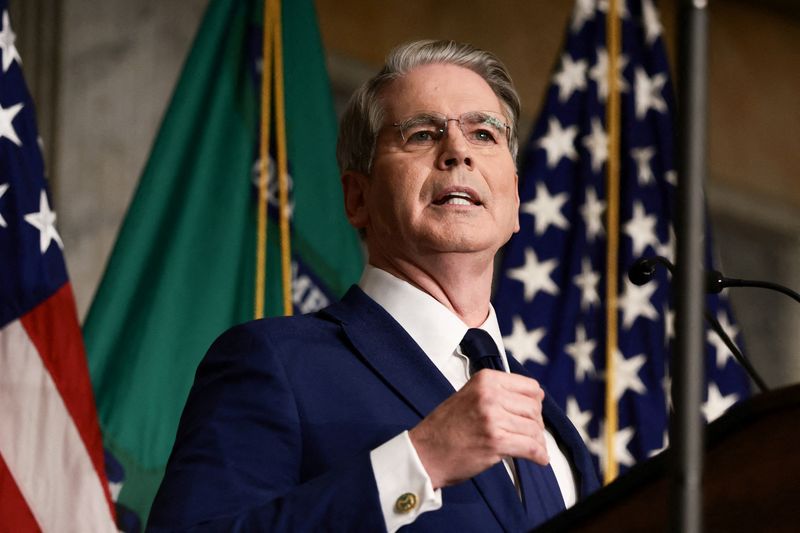
On the 24th (local time), U.S. Treasury Secretary Scott Bessent said the administration was launching an "economic isolation campaign" to cut Iran off from the international economy. The core of the plan is secondary sanctions targeting third countries that do business with Iran. The United States decided to sanction countries and companies involved in transactions with Iran across five sectors: digital assets, technology, gold, aviation and shipping. More than 60 organizations, individuals and vessels worldwide that support Iran's nuclear and missile development and its oil exports were also added to the new sanctions list. Bessent unveiled a "zero leakage" strategy aimed at blocking every network used for Iranian oil smuggling and sanctions evasion. He also warned that financial institutions helping Iran launder money would be excluded from the U.S. dollar system.
Iran responded through the Strait of Hormuz. The Persian Gulf Strait Authority blacklisted 45 vessels, including oil tankers and liquefied natural gas and liquefied petroleum gas carriers, saying they had violated transit rules, and warned of fines, vessel detention and cargo seizure. Five ships owned by South Korea's Janggeum Maritime were among them. Iranian Economy Minister Ali Madanizadeh said, "We have prepared a two-year economic plan in anticipation of U.S. sanctions," adding, "They will not be able to cut our economic arteries."
■ A bargaining chip ahead of the U.S.-China summit?
For the U.S. economic blockade to have real effect, China is the biggest variable, as it buys up to 90% of Iranian crude oil. In the end, pressure must be extended not only to Chinese refiners but also to the financial institutions that support those transactions. However, the latest measures did not include direct sanctions on Chinese banks or financial institutions. When asked whether China would be targeted, Bessent only said, "No one can escape the scope of U.S. sanctions."
The upcoming summit between U.S. President Donald Trump and Chinese President Xi Jinping next month is a major obstacle. If China’s financial institutions are sanctioned while the two countries are maintaining a temporary trade truce, the Iran issue could spill over into a broader U.S.-China confrontation. Some observers say Trump may be reluctant to move immediately against China and could instead use it as a bargaining chip for the summit.
The United States and China also appear to be working to manage the relationship. On the 25th, Beijing hosted a Track 1.5 dialogue involving current and former officials and experts from both countries, where they discussed cooperation in areas such as the economy, trade and artificial intelligence.
For now, the United States is holding private talks with various countries and trying to persuade them to cut off business with Iran. Bessent also signaled additional sanctions targeting major financial institutions within days or weeks. Whether Chinese financial institutions will be included is the key point to watch.
"China-Iran cooperation should not be subject to interference or obstruction," said Lin Jian, spokesperson for the Ministry of Foreign Affairs of the People's Republic of China. "China will defend its rights and interests with all necessary measures."
[email protected] Kim Kyung-min Reporter