"The more they farm, the more they lose"... U.S. farm anger is about to explode over the Iran war
- Input
- 2026-08-25 16:27:49
- Updated
- 2026-08-25 16:27:49
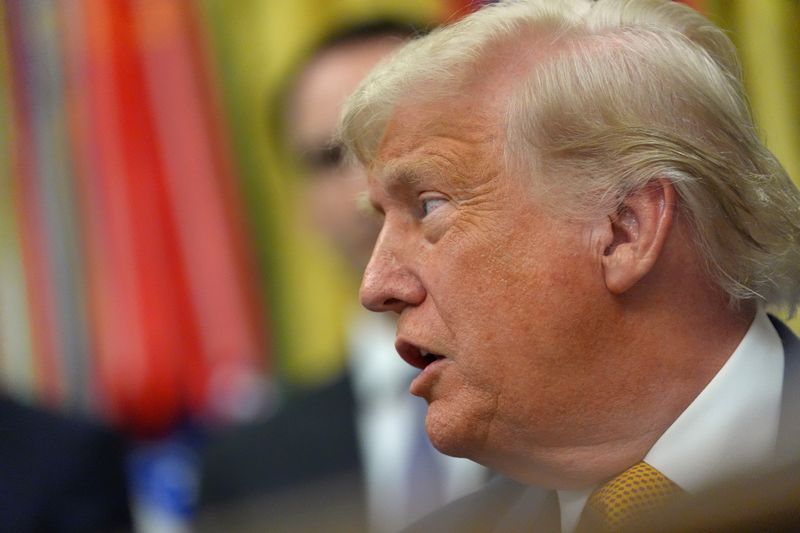
[Financial News] With the U.S. midterm election a little more than two months away, support in rural areas, a key base for U.S. President Donald Trump, is starting to wobble. Grain prices have been weak and the trade war with China has hurt farm profitability. Now the Iran war has pushed diesel and fertilizer prices even higher.
The Financial Times (FT) reported on the 24th, local time, that "as the Iran war drags on for nearly six months, the production cost burden on U.S. grain farms is growing." John K. Hansen, president of the Nebraska Farmers Union (NFU), said, "U.S. agriculture is going through its worst slump since the 1980s."
According to the American Farm Bureau Federation (AFBF), losses for nine major grain crops, including corn, are expected to reach $31 billion this year and $32 billion next year, excluding government support.
Losses per acre (4,047 square meters) for corn farms are projected to rise from $131 this year to $167 next year. For soybeans, the figure is expected to increase from $80 to $138.
The Iran war has added to production costs. According to the U.S. Energy Information Administration (EIA), the average U.S. price of diesel, which is used to fuel farm machinery, has risen to $5.45 per gallon, up about 43% from $3.81 before the war.
The farm crisis is also a negative factor for the Republican Party ahead of the midterm election. Republican Senator Thom Tillis said, "There are 71 days left until the midterm election, but right now we have no positive message to offer rural areas."
Trump requested an additional $11.1 billion in spending in June to support farmers, but farm groups say it is not enough. A move to waive tariffs on 300,000 tons of imported beef for 90 days in an effort to lower food prices has also drawn backlash from some livestock farmers.
Hot, dry weather has also pushed grain prices higher. December-delivery U.S. corn prices have risen 10% this month, reaching their highest level since 2023. If higher farm production costs are passed on to food prices, the Trump administration will face a double burden: worsening rural support and rising inflation.
[email protected] Kim Kyung-min Reporter