Why are motorists lining up at gas stations in oil-rich Iran?
- Input
- 2026-08-25 15:50:32
- Updated
- 2026-08-25 15:50:32
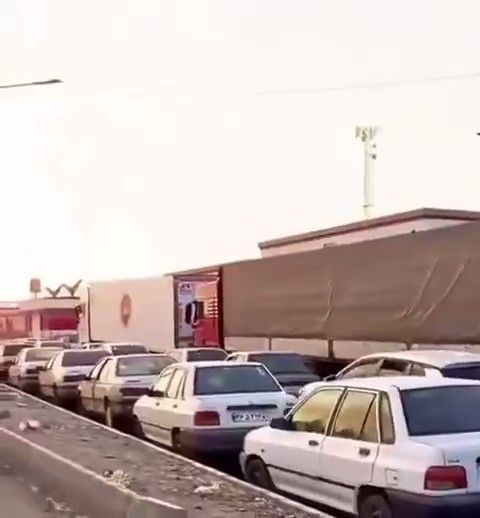
[Financial News] As the United States' maritime blockade has cut off Iran's fuel lifeline, citizens are flocking to gas stations across Tehran to secure gasoline. The paradox of an oil-producing country struggling with a gasoline shortage is raising concerns that any move to shake up heavily subsidized fuel prices could further inflame public anger, already strained by war and surging inflation.
The Financial Times reported on the 25th, local time, that long lines of vehicles are forming at gas stations across Tehran. With fuel supplies disrupted by the U.S. maritime blockade, more people are trying to stock up on gasoline in advance amid fears that the war could resume and prices could rise.
A gas station worker in Tehran told the Financial Times, "Drivers come to fill up before their tanks are even empty because they are worried the war will start again or fuel prices will go up." The amount of gasoline that can be purchased at one time is limited to 20 liters.
Iran, one of the world's major oil producers, is facing a gasoline shortage because its refining capacity is not sufficient to process crude oil into gasoline and diesel, despite its production capability. The country has relied on imports to cover the shortfall, but the U.S. maritime blockade resumed on July 14, narrowing supply channels. Some refining facilities were also damaged by U.S. and Israeli airstrikes early in the war.
According to Iran's Oil Ministry's Energy Optimization Organization, the country's daily gasoline demand reaches 135 million liters, but current supply is 15 million liters short of that level. That means about 11% of daily consumption is missing. Authorities are urging the public to reduce fuel use.
The problem is that the gasoline shortage is not limited to supply alone. In Iran, bread and fuel are treated almost as sacred items because the government has managed them carefully to maintain public stability. If prices for these two essentials rise, public sentiment, already weakened by war and high inflation, could deteriorate further.
Iran is holding down gasoline prices with massive subsidies. According to local media, retail prices range from 15,000 to 50,000 Iranian rials per liter, or about 10 to 36 won, depending on the subsidy tier. As the rial has plunged in value, the price in foreign currency terms has fallen to one of the lowest levels in the world.
The cost of keeping fuel cheap is putting pressure on government finances. Iranian President Masoud Pezeshkian said this month, "As we pour money into gasoline sold far below market prices, there is less money left for food and support for workers." The Financial Times also reported that there is growing recognition within the Iranian government that it will be difficult to sustain such ultra-low fuel prices for long.
But raising prices is no easy option either. Earlier this month, the Iranian government raised the price of premium gasoline in Kerman Province, only to roll it back within hours after a fierce public backlash. In the past, fuel price hikes have also sparked large-scale anti-government protests. For Iran's leadership, which has chosen resistance over negotiations under U.S. pressure, the room for maneuver is narrowing.
[email protected] Kim Kyung-min Reporter