Naju-si Moves to Protect the Reputation of Naju Pears and Crack Down on 'Box Switching'
- Input
- 2026-08-25 14:24:39
- Updated
- 2026-08-25 14:24:39
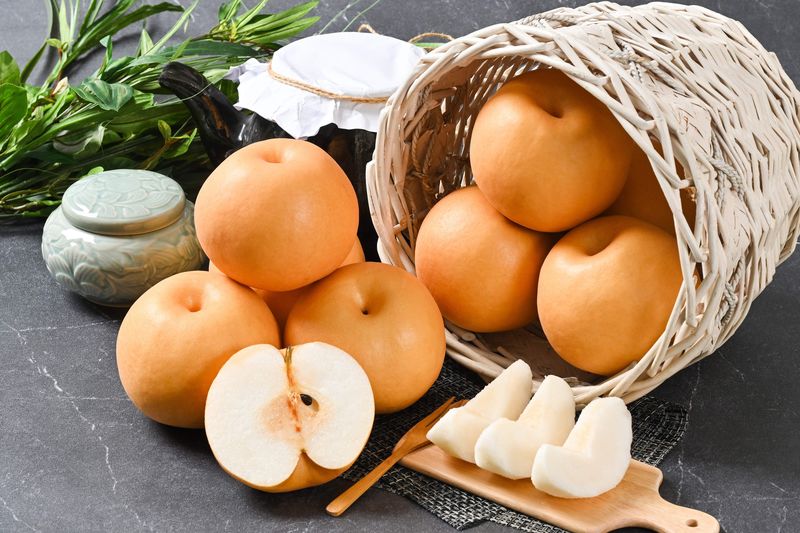
[Financial News, Naju = Hwang Tae-jong] Naju-si is moving in earnest to protect the reputation of its signature local product as the Naju pear shipping season gets underway.
According to the city on the 25th, it plans to safeguard the brand value of Naju pears and protect the interests of growers and consumers by cracking down on the so-called 'box switching' practice, in which pears produced in other regions are passed off as Naju pears.
A city official said, "Naju pears are a leading agricultural brand of Naju, built over many years on the efforts of growers and the trust of consumers, and they are known for their high sugar content and taste." The official added, "We will manage the issue thoroughly so that its value is not damaged by unscrupulous merchants who misrepresent the place of origin."
The so-called 'box switching' practice refers to transferring pears grown in other regions into boxes or packaging marked as Naju pears and selling them, which constitutes false labeling of origin.
Such conduct not only undermines the brand value of Naju pears, which have built quality and trust over many years, but also harms farmers who produce and ship Naju pears legitimately and interferes with consumers' ability to make informed choices, thereby disrupting the sound distribution of agricultural products.
In response, Naju-si plans to continue guidance and enforcement against violations of origin labeling rules as the main Naju pear shipping season begins, in order to protect the brand value of Naju pears and help consumers purchase agricultural products with confidence.
Citizens who discover suspected violations of origin labeling can report them to the illegal distribution reporting center of the National Agricultural Products Quality Management Service or to the Department of Pear Horticulture and Distribution at Naju-si. In particular, providing the seller's name, the suspected location and time of the violation, and specific details of the alleged misconduct will help ensure a faster and more accurate verification of the facts and investigation.
A city official said, "When buying Naju pears, please carefully check the origin labeling and actively report any suspected violations you find."
[email protected] Hwang Tae-jong Reporter