The United States, wary of China, is considering an additional 7.5% tariff increase
- Input
- 2026-08-25 12:23:35
- Updated
- 2026-08-25 12:23:35
[Financial News] The United States, which this year has moved to impose retaliatory tariffs on China and the rest of the world under Section 301 of the Trade Act of 1974 over “forced labor” and “overproduction,” is now being accused of planning to levy a 7.5% overproduction tariff on China. If combined with the 12.5% forced-labor tariff imposed last month, the additional duties on Chinese goods would total an estimated 20%, a level that barely stays within an implicit ceiling.
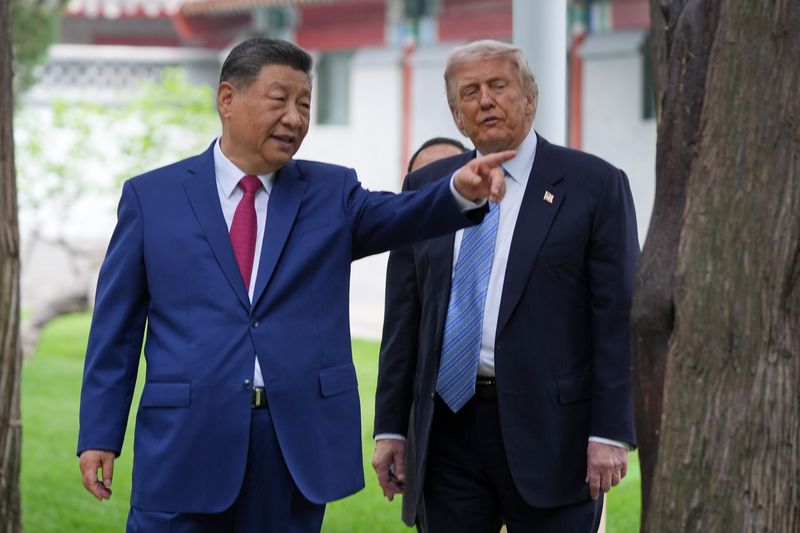
AP and other U.S. media outlets reported on the 24th, local time, citing unnamed officials, that the United States is considering the tariff plan. The officials pointed out that President Donald Trump and Chinese President Xi Jinping met in Gyeongju in November last year and agreed to a one-year pause in the trade war between the two countries. They added that Washington is adjusting tariff rates to a level that would not “jeopardize” that agreement or the U.S.-China summit scheduled for Sept. 24 in the United States.
The second Trump administration, launched last year, imposed an additional 20% tariff on China, including a 10% levy tied to punishment for fentanyl trafficking and a 10% reciprocal tariff. In a February ruling, the Supreme Court of the United States said the fentanyl and reciprocal tariffs based on IEEPA were invalid. The Trump administration is now seeking a new legal basis for tariffs instead of IEEPA. Local media said that even if new tariffs are introduced, both the United States and China view the previous total rate of 20% as the upper limit.
Section 301 of the Trade Act of 1974, enacted in 1974, allows the United States to retaliate with import bans or tariffs when a trading partner harms U.S. companies through unfair practices or discrimination. To trigger retaliatory measures, the Office of the United States Trade Representative must conduct an investigation into the unfair conduct, and such investigations generally conclude within a year.
On March 12, the USTR announced that it would begin an investigation under Section 301 of the Trade Act of 1974 into forced-labor-related acts, policies and practices. The claim is that U.S. trading partners have allowed products made with forced labor to flood the market, undermining the price competitiveness of American goods. On March 11, the USTR also said it would investigate unfair trade practices related to manufacturing overcapacity in 15 countries, including South Korea, China and Japan, as well as the European Union.
On the 23rd of last month, the USTR imposed an additional 12.5% tariff related to forced labor on South Korea and China, and added the same tariff on 58 other economic entities. A tariff announcement related to overproduction has not yet been finalized.
An unnamed official claimed that the Trump administration may first announce a higher tariff rate on China and then suspend part of the duties to bring the effective rate down to 7.5%. Details on which tariff would be suspended and for how long are still under discussion.
Another official said the two countries are also exploring an extension of the one-year trade truce, which is set to expire on Nov. 10. U.S. officials expect the overproduction-related tariff to be announced before the September summit.
Meanwhile, an unnamed White House official said the government will make all announcements directly and that current reports and discussions should be regarded as baseless speculation.
[email protected] Park Jong-won Reporter