"It Was Not Blood Circulation" ... Numb Hands and Feet Are a Warning from the Nerves [Health Talk]
- Input
- 2026-08-25 09:27:50
- Updated
- 2026-08-25 09:27:50
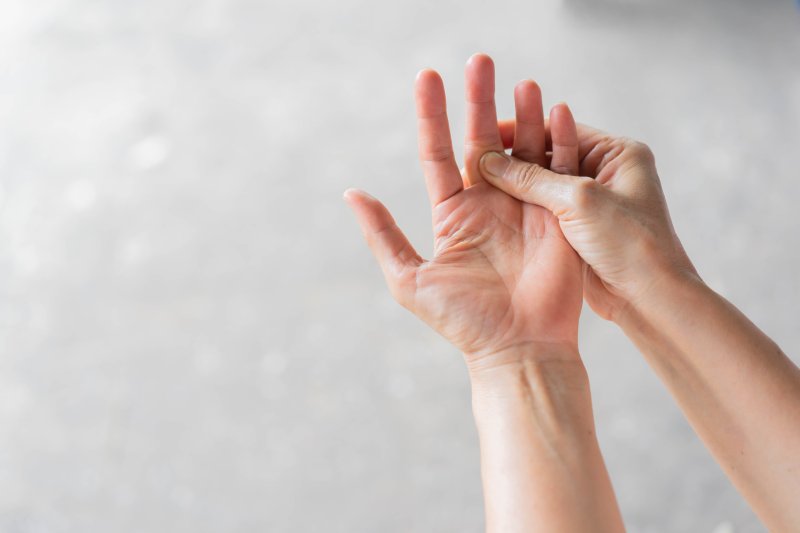
[Financial News] When your hands and feet feel numb, it is easy to assume the cause is poor blood circulation. In many cases, however, the real problem is a disorder of the nervous system. A large share of persistent or recurring numbness in the hands and feet is diagnosed as Peripheral neuropathy.
Lee Hyun-jun, head of the Department of Neurology at Bucheon Sejong Hospital, said on the 25th, "Numbness in the hands and feet is a very common symptom, and not every case means a serious disease." He added, "Peripheral neuropathy can develop from a wide range of causes. But if the symptoms keep getting worse, or if sensation becomes dull and strength declines to the point that daily life becomes difficult, it should no longer be dismissed as simple numbness."
"What is Peripheral neuropathy?"
The nervous system is broadly divided into the central nervous system, which consists of the brain and spinal cord, and the peripheral nervous system, which extends from the brain and spinal cord to the fingertips, toes, and the rest of the body.
Peripheral nerves carry sensory information from the skin to the brain and send commands from the brain to the muscles. They also play a role in autonomic functions such as sweating, blood pressure, pulse, and bowel movement. Peripheral neuropathy refers to the condition in which these nerves are damaged by various causes, leading to symptoms such as numbness, pain, and reduced sensation.
Peripheral neuropathy can be classified into Mononeuropathy, in which only one nerve is damaged; polyneuropathy, in which multiple nerves are widely affected; and Multiple Mononeuropathy, in which several single-nerve injuries occur in an asymmetric pattern. Rather than referring to one specific disease, it is a broad diagnostic category that includes many different conditions.
Because peripheral nerves are divided into motor, sensory, and autonomic nerves, symptoms vary depending on which type is affected. If motor nerves are damaged, strength may decline, making it harder to walk without falling, fasten buttons, or use chopsticks. Muscle atrophy may also occur.
Damage to sensory nerves can cause numbness, tingling, burning pain, or an electric-shock-like sensation. In some cases, sensation becomes dulled, creating a heavy or foreign feeling. If autonomic nerves are affected, dizziness, indigestion, urinary problems, and sexual dysfunction may occur.
Lee explained, "Patients usually first think that numbness in the hands and feet is caused by poor blood circulation." He added, "But in actual neurology practice, many cases of persistent or recurring numbness are diagnosed as being caused by problems in the nervous system."
He also stressed, "If the numbness appears only briefly and then disappears without returning, it does not necessarily indicate a serious disease." He added, "But if symptoms last for weeks or become progressively worse, if they start in the feet and gradually move upward, if the muscles visibly waste away or the person falls frequently, or if deformities develop in the hands or feet, they should seek medical care promptly and be examined by a neurologist."
Causes and treatment of Peripheral neuropathy
The causes of Peripheral neuropathy are highly diverse. One of the most common is diabetes. If high blood sugar and metabolic abnormalities persist for a long time, nerve fibers and the tiny blood vessels connected to them can be damaged, leading to diabetic Peripheral neuropathy.
Other possible causes include excessive alcohol consumption, nutritional deficiencies including Vitamin B12, kidney disease, and hypothyroidism. Some medications, including anticancer drugs, as well as heavy metals and toxic substances, can also damage nerves. In addition, autoimmune peripheral nerve disorders such as Guillain–Barré syndrome (GBS), vasculitis, hereditary causes, and compression of specific nerves such as in Carpal Tunnel Syndrome (CTS) and radiculopathy can also be responsible.
The most important parts of diagnosing Peripheral neuropathy are the patient's symptoms and the neurological examination. Doctors need to check when the symptoms began, whether they started in the feet or the hands, whether they are symmetrical on both sides, what form the symptoms take, and whether muscle atrophy or weakness is also present.
During the examination, doctors assess sensation such as touch, pain, temperature, vibration, and position sense, as well as deep tendon reflexes, which check whether a muscle contracts immediately when its tendon is lightly tapped. Blood tests may also be performed to check glucose, Vitamin B12, thyroid, liver, and kidney function. Depending on the case, genetic tests, autoimmune tests, nerve ultrasound, cerebrospinal fluid analysis, and biopsy may also be carried out. If necessary, a Nerve conduction study and electromyography can objectively assess whether nerve damage is actually present.
Peripheral nerves do have some ability to regenerate, but recovery is slow and the outlook varies greatly depending on the extent and cause of the damage. For that reason, the realistic goals of treatment are to correct the underlying cause, prevent further damage, wait for possible nerve recovery, and control symptoms while preserving function.
If diabetes is the cause, blood sugar must be properly controlled. If excessive drinking is responsible, alcohol abstinence is necessary. If a specific drug or toxic substance is the cause, exposure must be stopped. In immune-mediated neuropathy, treatment may include immunoglobulin, steroid therapy, or plasma exchange.
To relieve discomfort caused by existing Peripheral neuropathy, doctors may use anti-inflammatory painkillers or medications that suppress abnormal pain signals from the nerves. Examples include certain tricyclic antidepressants and serotonin-norepinephrine reuptake inhibitors. Because these drugs can cause side effects such as drowsiness and dizziness, the choice of medication and dosage should be tailored to the patient's age and underlying conditions.
In some cases, such as medication-induced or compression-related neuropathy, a substantial recovery can be expected after the cause is corrected. Acute immune neuropathies such as GBS can also show major recovery of nerve function after treatment. By contrast, when nerve damage has already progressed significantly, as in long-standing diabetic Peripheral neuropathy or hereditary Peripheral neuropathy, a return to normal may be difficult even with treatment.
Lee said, "The most important thing to prevent Peripheral neuropathy or keep symptoms from worsening is to manage risk factors." He added, "If you have diabetes, you should consistently control your blood sugar and related metabolic conditions. You should also avoid alcohol, which is toxic to nerves and can cause vitamin deficiencies, while maintaining a balanced diet and regular exercise."
He continued, "If the cause of Peripheral neuropathy is found and treated early, further damage can often be prevented and symptoms can be reduced." He added, "If treatment is delayed, recovery may take a long time or may not be complete. So if numbness in the hands and feet keeps recurring or persists, you should see a neurologist to identify the exact cause."
[email protected] Medical Reporter Jung Myung-jin Reporter