Lawmaker Goh Byung-soo Calls for Updating 10-Year-Old Traffic Inducement Coefficient
- Input
- 2026-08-25 07:52:18
- Updated
- 2026-08-25 07:52:18
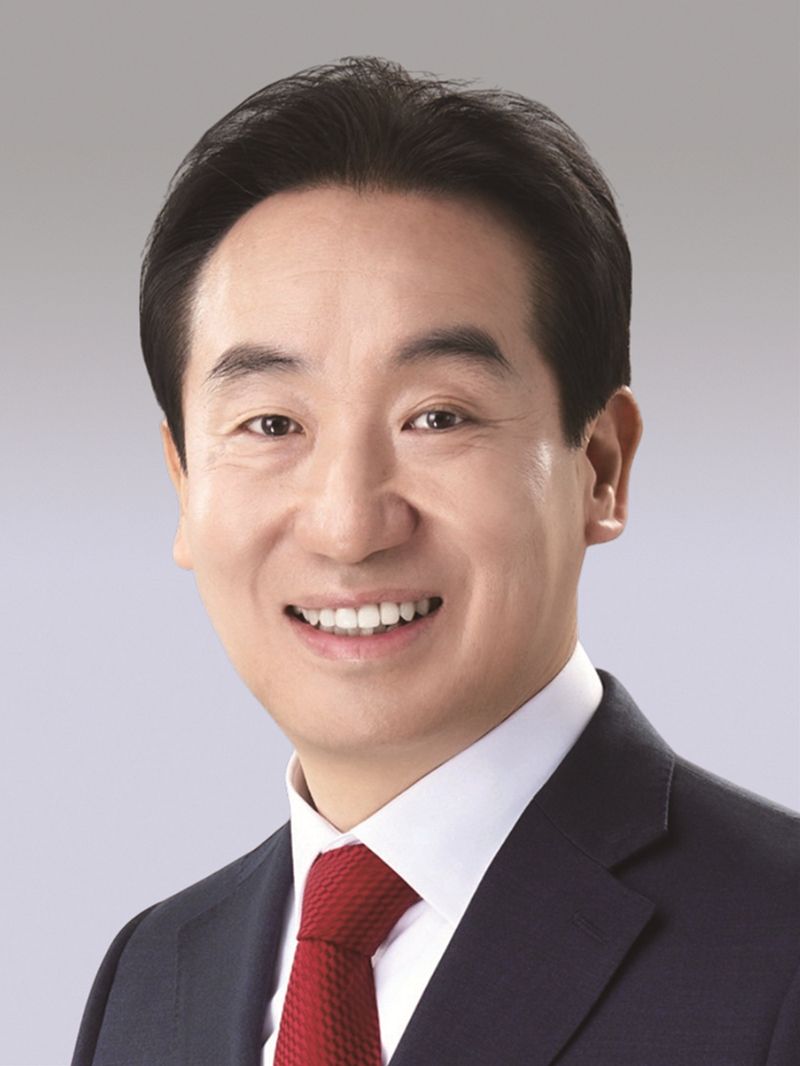
【Financial News Daegu and Andong = Kim Jang-wook】"The 10-year-old traffic inducement coefficient must be updated."
At a business report from the Daegu City Transportation Bureau, Goh Byung-soo, a Daegu Metropolitan Council member and vice chair of the Construction and Transportation Committee representing Nam-gu District 2, drew attention by pointing out problems with the current "traffic inducement coefficient," which is the basis for calculating traffic inducement charges. He strongly urged the city to include research funding in next year's main budget so that the ordinance can be revised to reflect current conditions.
Under the Urban Traffic Readjustment Promotion Act, Daegu imposes traffic inducement charges on major facilities. However, critics have long argued that the current coefficient does not reflect Daegu's rapidly changing traffic conditions or urban environment.
According to the report, the traffic inducement coefficient for retail facilities such as department stores, shopping centers and large discount stores stands at 10.92 under Article 4-2 of the Daegu City Ordinance on Reductions in Traffic Inducement Charges. That is significantly higher than the levels in other metropolitan cities, including Incheon, Busan and Daejeon.
In particular, the coefficient has remained unchanged for more than 10 years since the ordinance was revised in 2015. Goh noted that Article 37, Paragraph 2 of the higher-level Urban Traffic Readjustment Promotion Act allows the coefficient to be raised or lowered by ordinance, taking into account factors such as a facility's location, size, number of users, sales and traffic congestion. He said Daegu has failed to make proper use of that provision.
Goh said, "Local small business owners and commercial districts are bearing an unfair burden because the traffic inducement coefficient is still based on standards from 10 years ago," and outlined a direction for improvement.
He called for a recalculation of the coefficient through a study by a specialized agency that reflects Daegu's changed traffic conditions, followed by revisions to the ordinance based on those findings.
He also called for more detailed coefficient adjustments by dividing areas into tiers based on economic indicators such as commercial vacancy rates, and for reasonable revisions tailored to the characteristics of retail facilities in urban, rural and urban planning zones.
Meanwhile, Goh said, "Objective and professional data are essential to calculate charges reasonably in line with local conditions and economic realities," adding, "The city must secure research funding from a traffic specialist agency in next year's main budget to lay the groundwork for revising the ordinance."
Meanwhile, first-term council member Goh previously served as a policy aide at the Gwangju Nam-gu Office, assisting district chief Cho Jae-gu.
[email protected] Kim Jang-wook Reporter