U.S. Pushes Ahead With $100,000 Fee for Professional Work Visas Despite Court Block
- Input
- 2026-08-25 04:03:41
- Updated
- 2026-08-25 04:03:41
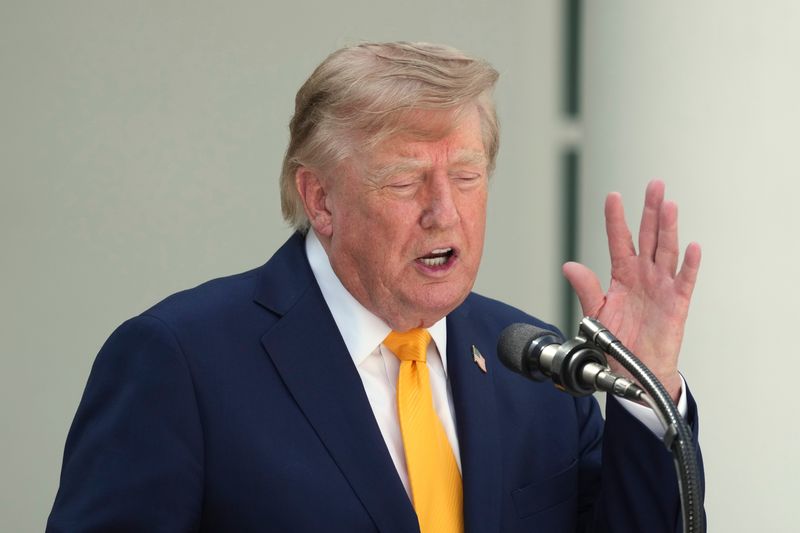
The Trump administration has moved to formalize a fee of more than $100,000 for professional work visas.
Despite a federal court order blocking the move, the administration is pushing ahead with it as an official policy. The effort appears to reflect President Donald Trump's intent to rally his core anti-immigration supporters ahead of the November midterm elections.
India's New Delhi Television Ltd (NDTV) reported on the 24th local time that the U.S. Department of Homeland Security (DHS) published a proposed rule in the Federal Register that would raise the H-1B visa fee to $103,265, or about 140 million won. A similar fee increase was announced last year, but a court has suspended its enforcement.
According to Fragomen, a law firm specializing in corporate immigration services, if the revision takes effect, costs are expected to rise sharply for foreigners seeking jobs in the United States, international students moving from campus to the workplace, and employers sponsoring H-1B workers.
Fragomen said the rule is likely to take effect soon, as it has already gone through review by the Office of Management and Budget (OMB).
There are also reports that the administration is seeking to impose a new $100,000 fee on Optional Practical Training (OPT).
Fragomen said, "The proposed rule on OPT fees was sent to the OMB on the 20th and is now under review, while the proposed rule imposing fees on certain H-1B applications was received on the 19th and cleared that same day."
Separate from the fee hike, DHS is also pursuing a plan to abolish the 60-day grace period previously granted to H-1B workers who lose their jobs. If finalized, foreign workers who are laid off would have to leave the United States immediately. Those who remain would be considered in violation of their stay status.
After a layoff, workers would have no time to look for another job, which would give employers far more leverage than they have now.
The H-1B visa is used for professional occupations in science, technology, engineering and mathematics (STEM). Annual issuance through a lottery is capped at 85,000. It allows an initial stay of three years, can be extended, and also provides a path to permanent residency.
The new rule is expected to be finalized around the end of the year.
If the DHS proposal is finalized, it is also expected to head straight to court.
In fiscal 2024, India accounted for a dominant 71% of approved H-1B workers by country of origin. China ranked second with 11.7%, and South Korea placed fifth with 1%.
[email protected] Song Kyung-jae Reporter