U.S. Robotaxi Zoox Enters Second Week of Commercial Service... Popular Even Without a Steering Wheel
- Input
- 2026-08-24 19:28:23
- Updated
- 2026-08-24 19:28:23
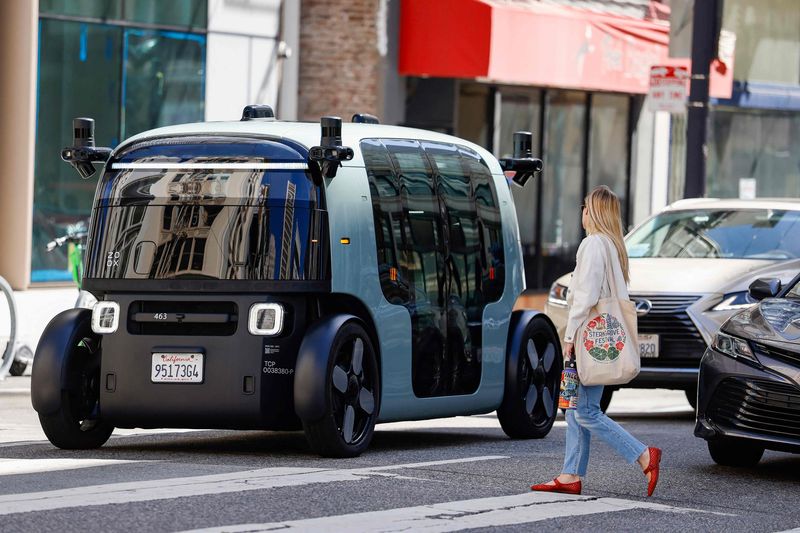
[Financial News] About two weeks after autonomous robotaxis without steering wheels, pedals, or drivers began paid service in the United States, the vehicles are drawing positive reactions locally. Amazon.com, Inc., which introduced the taxis, could expand the fleet to as many as 5,000 robotaxis within the next two years.
The Wall Street Journal reported on the 23rd local time that Zoox, the autonomous driving company under Amazon.com, Inc., has been carrying out commercial operations over the past two weeks.
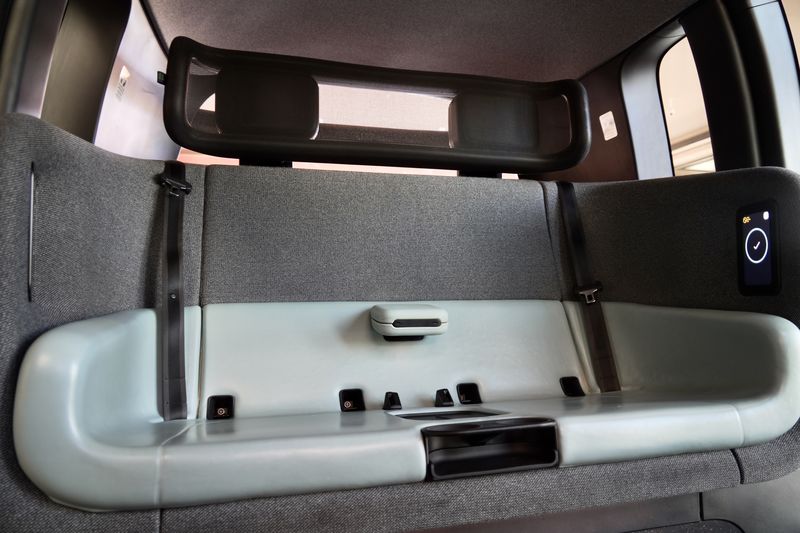
Zoox was founded in California in 2014 as an autonomous driving startup. Amazon.com, Inc. acquired the company in 2020 for about $1.2 billion and made it a subsidiary. The robotaxi developed by Zoox has no traditional steering equipment such as a steering wheel or pedals, and it seats up to four people. It can travel in both directions, and passengers sit facing each other. The Wall Street Journal noted that the Zoox robotaxi looks like a "toaster."
Several companies, including Waymo LLC, a subsidiary of Google, and Tesla, are already operating commercial robotaxi services. However, they have been using modified conventional vehicles and still have not removed the steering wheel and pedals. In October 2024, Tesla unveiled a dedicated robotaxi vehicle called the Cybercab and promoted it as having no steering wheel or pedals. But Tesla ultimately failed to win regulatory approval to use steering-wheel-free vehicles for paid service. For its robotaxi commercial service launched in June last year, Tesla deployed modified Tesla Model Y vehicles.
Zoox had previously been offering free rides in parts of Las Vegas, State of Nevada, and San Francisco, California, since last year. On the 30th of last month, the National Highway Traffic Safety Administration exempted Zoox from some safety rules, including the requirement to install manual vehicle controls, and approved fare-charging service. As a result, Zoox's robotaxis began paid operations in Las Vegas on the 10th.
About 100 Zoox robotaxis are currently in operation. The fare is said to be comparable to premium options offered by other ride-hailing services.
Med Trimdal, a Las Vegas resident who rode in a Zoox vehicle, told The Wall Street Journal that he initially felt uneasy about there being no driver when he used it in June. He said, "After a few minutes, I felt reassured, and it was exciting to see something that felt like science fiction actually happening." Laura Harp, who used Zoox twice in Las Vegas in May, said, "I like that there is no one else in the car and that it is just for us."
When it approved Zoox's paid operations, the National Highway Traffic Safety Administration prohibited the robotaxis from operating in heavy rain or snow, on roads with lots of fallen leaves, or on roads where the speed limit exceeds 72 km/h. A notice directing passengers to a link where they can file complaints with the agency must also be displayed inside the vehicle or in the Zoox app.
Zoox is planning to expand its business. It is already conducting pilot robotaxi operations in Austin, Texas, and Miami, and plans to launch service in Miami soon. Under last month's NHTSA approval, Zoox can deploy up to 5,000 autonomous taxis over the next two years. Its factory in Hayward, California, can produce up to 10,000 robotaxis a year. Goldman Sachs projects that the global robotaxi market will grow from $376 million last year to about $19 billion by 2030.
[email protected] Park Jong-won Reporter