[Editorial] U.S.-Canada tariff conflict heads toward disaster; South Korea must also prepare for sudden shifts
- Input
- 2026-08-24 18:59:02
- Updated
- 2026-08-24 18:59:02
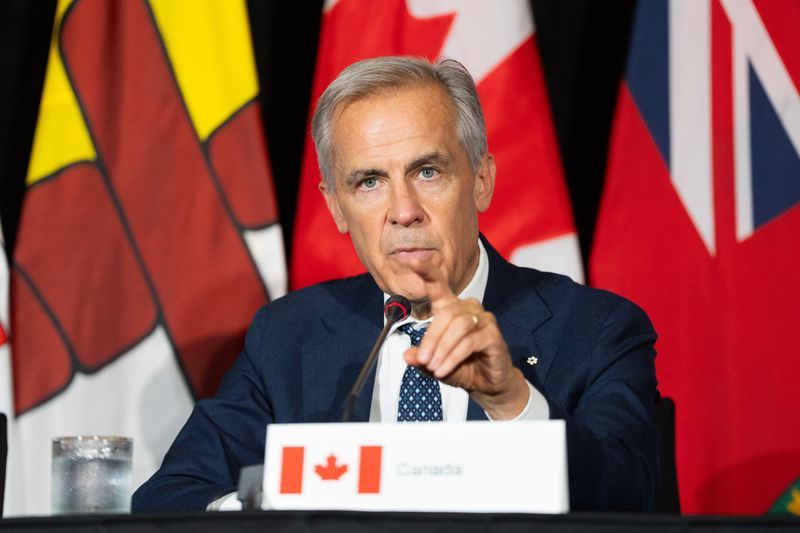
The United States and Canada share the world’s longest border and have long cooperated on security and industrial supply chains. Canada supplies a significant share of U.S. imports of crude oil, electricity and natural gas. It is also a major supplier of key minerals such as aluminum and Nickel. The two countries’ automotive supply chains are tightly intertwined. In this way, Canada depends on the U.S. market for more than 70% of its merchandise exports. The longer the conflict drags on, the greater the damage and cost for both sides. That is why America’s other allies cannot treat this as someone else’s problem.
What Donald Trump is pursuing is a thoroughly America-first policy. He wants to use tariffs as leverage to open Canada’s markets further in automobiles, steel and agricultural products, while drawing production and investment to the United States. News reports also said the latest negotiations included a U.S. demand for the right to intervene in trade agreements Canada may sign with other countries in the future. Traditional allies and even already concluded free trade agreements are no exception when U.S. interests come first.
South Korea’s position is complicated as it is in the middle of trade talks with the United States. We succeeded in lowering tariffs on Korean products from 25% to 15% in exchange for a $350 billion investment in the United States, but the 15% tariff is not a permanent safeguard. The United States is continuing to review new item-specific tariffs, including through Section 301 of the Trade Act of 1974. It is also openly expressing dissatisfaction with the pace of South Korea’s investment commitments in the United States. There are reportedly significant differences between the two sides even over how the first investment project will be selected and carried out. The public and private sectors must work together to craft a solution that balances the interests of both countries while protecting South Korea’s national interests to the greatest extent possible.
It is also concerning that the United States is moving quickly on North America talks without going through South Korea. There is no reason to oppose North America dialogue itself, but South Korea must be wary of a situation in which North Korea nuclear and security issues and trade matters are all negotiated at once while South Korea is left out. At such a critical moment, the Minister for Trade, who had been leading the tariff negotiations, was abruptly replaced. The government must take seriously its responsibility for creating a leadership vacuum in the middle of sensitive talks. It should reorganize the whole-of-government negotiation system so that the diplomacy, security and trade teams do not move separately. It must also establish more precise principles for each issue, clearly defining how far it can go in meeting U.S. demands and where it cannot back down. Only then can South Korea protect its national interests and practical gains amid rapidly changing U.S. pressure.