"On the Controversy Over a Villa-Only Policy," FSC Chair Says Non-Apartment Bogeumjari Loan Aims to Support Youth Housing Stability
- Input
- 2026-08-24 16:55:33
- Updated
- 2026-08-24 16:55:33
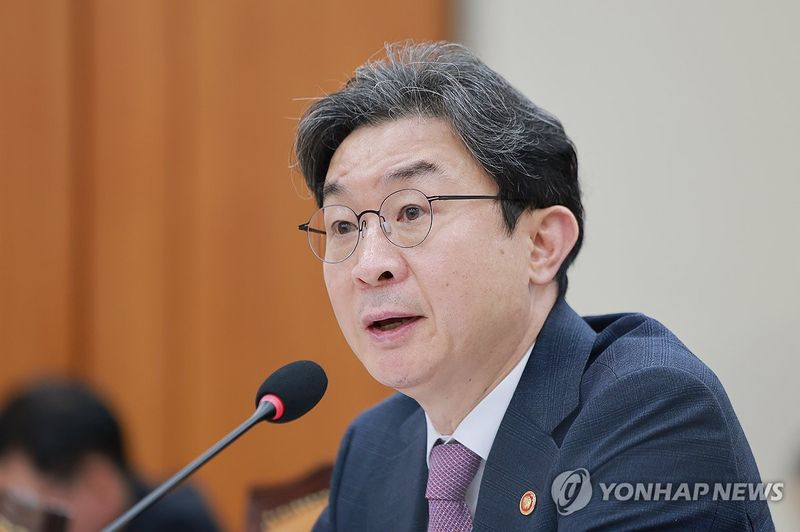
Lee gave the response on the 24th during a plenary session of the National Policy Committee at the National Assembly, after People Power Party lawmaker Cho Jung-hun asked whether the government was telling young people to buy only non-apartment homes instead of apartments.
Lee said, "The existing policy mortgage program for first-time home purchases will remain unchanged." He added, "This measure simply provides an additional option in the form of a non-apartment Bogeumjari Loan."
He continued, "We have prepared a product for non-apartment homes priced at up to 400 million won to reduce monthly rent burdens and ensure housing stability for young people starting out and young single-person households." He added that even if borrowers buy a non-apartment home, first-time homebuyer benefits will remain in place in the future.
Earlier, the FSC said that among young households living in rental housing last year, 28.3% lived in apartments, while 71.7% lived in non-apartment homes, indicating a strong demand among young people for a non-apartment Bogeumjari Loan.
Yoon Deok-gi, head of the FSC's macro-finance team, also stressed, "Young people who want to buy apartments can continue to use existing Bogeumjari Loans or Didimdol Loans." He added, "The Youth Future Bogeumjari Loan is an additional product created for young people who could not benefit from existing policy loans."
On the policy of separating real estate finance, Lee said it was intended "to normalize speculative demand and the concentration of funds in real estate." He added that international organizations have also pointed to excessive household debt as a potential risk to the Korean economy. "This does not mean cutting off finance entirely," he said. "The main goal is to bring unproductive and speculative capital flows back to a normal level."
[email protected] Park Moon-soo Reporter