'False closure of missing person case' controversy in Jeju police... Bereaved family finds father after 14 years, state compensation claim dismissed
- Input
- 2026-08-24 16:10:56
- Updated
- 2026-08-24 16:10:56
At that time, the court rejected the family's claim, stating that there was insufficient evidence to prove illegal conduct by the police in the course of their duties. According to the police and other sources on the 24th, the Jeju Metropolitan Police Agency discovered a body believed to be Ms. Jang near Hallim-eup, Jeju City, this morning.
Police Sergeant A of the Jeju West Police Station, who handled the initial report, is suspected of arbitrarily closing the case by claiming to have "confirmed her safety through a phone call" without actually speaking with Ms. Jang. The police are investigating Police Officer A on charges of dereliction of duty, forgery and use of public electronic records, and obstruction of official duties through deception.
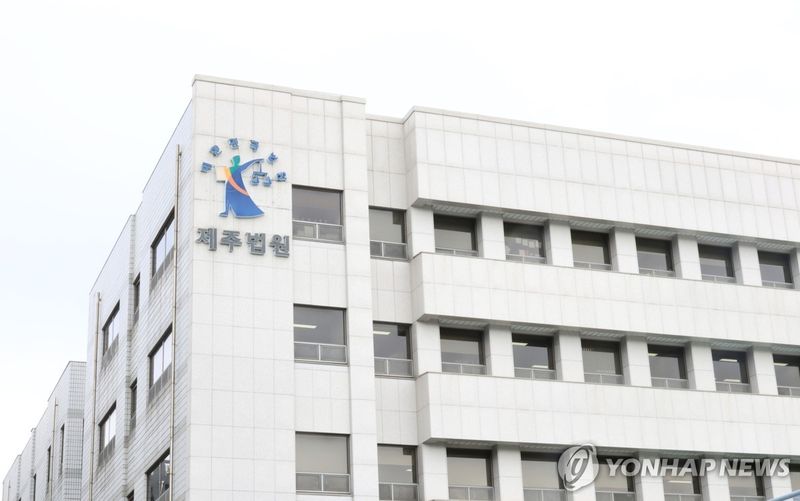
As the suspicion of the officer in charge falsely closing the case escalates into a criminal matter, there is a possibility that state liability for compensation may become an issue in the future. However, for state compensation to be awarded, it appears that not only the illegal act committed in the course of duty but also a causal relationship with the occurrence of damages must be recognized. In fact, in June 2021, Judge Song Hyun-kyung of the Jeju District Court dismissed the plaintiffs' claim in a damages lawsuit filed against the state by the children of the deceased, Mr.
B. Mr. B ran away from home around 2002 and his whereabouts became unknown until he was found as an unidentified deceased body in a forest in Jeju City in 2005.
The police conducted autopsies and DNA analysis but were unable to identify the individual, and closed the internal investigation in 2007. The bereaved family claimed that although they reported their father's disappearance to the police around 2004, the identification was delayed because the police failed to properly manage computerized wanted notices and missing persons records. Mr.
B's identity was confirmed only after one of his children registered their DNA with the police in 2018. 9999% probability of a paternity relationship between the deceased's DNA and the father, allowing the family to confirm their father's death approximately 14 years later. Subsequently, they claimed 30 million won in compensation per child, citing emotional distress caused by the police's negligence in tracking and managing missing persons.
However, the court ruled that it was difficult to recognize any illegal conduct by the police in the course of their duties. The key point was the lack of objective evidence to confirm when Mr.
B's disappearance was reported. Although the bereaved family claimed in the lawsuit that they reported the disappearance around April 2004, a petition filed with the National Petition System in 2019 indicated the date of the runaway and report as 2002.
The court stated, "No materials objectively determining when the report regarding Mr. B was filed have been submitted to this case.
" The fact that the system for issuing wanted notices for runaways at the time differed from the current one also influenced the judgment. Prior to the revision of regulations in July 2003, the wanted notice was to be lifted if the whereabouts of a runaway were not confirmed for one year after being placed on a computerized wanted list.
This period was extended to two years starting in March 2004, and the system was not changed until November 2005 to maintain the wanted notice until the individual was found. Accordingly, the court did not recognize state liability for compensation, stating that even if a missing person report for Mr.
B had been filed, the possibility that the notice had already been lifted due to the expiration of the period under the regulations at the time could not be ruled out.
Yonhap News [Financial News] With the discovery of a body believed to be that of Jang Mi-ran, a woman in her 30s who had gone missing, suspicions regarding the "false closure of the missing person case" by the officer in charge have come under scrutiny. Attention is focused on uncovering the truth regarding whether there were serious professional negligence in the police's management of the missing person, as well as on the scope of future legal liability. In the past in Jeju, there was a case where the bereaved family of a deceased person whose identity remained unconfirmed for a long period filed a claim for state compensation citing police negligence in managing the missing person.
Yonhap News [Financial News] With the discovery of a body believed to be that of Jang Mi-ran, a woman in her 30s who had gone missing, suspicions regarding the "false closure of the missing person case" by the officer in charge have come under scrutiny. Attention is focused on uncovering the truth regarding whether there were serious professional negligence in the police's management of the missing person, as well as on the scope of future legal liability. In the past in Jeju, there was a case where the bereaved family of a deceased person whose identity remained unconfirmed for a long period filed a claim for state compensation citing police negligence in managing the missing person.
Yonhap News [Financial News] With the discovery of a body believed to be that of Jang Mi-ran, a woman in her 30s who had gone missing, suspicions regarding the "false closure of the missing person case" by the officer in charge have come under scrutiny. Attention is focused on uncovering the truth regarding whether there were serious professional negligence in the police's management of the missing person, as well as on the scope of future legal liability. In the past in Jeju, there was a case where the bereaved family of a deceased person whose identity remained unconfirmed for a long period filed a claim for state compensation citing police negligence in managing the missing person.
[email protected] Choi Eun-sol Reporter