Japanese banks cut new graduate hiring for the first time in five years as AI spreads
- Input
- 2026-08-24 15:29:56
- Updated
- 2026-08-24 15:29:56
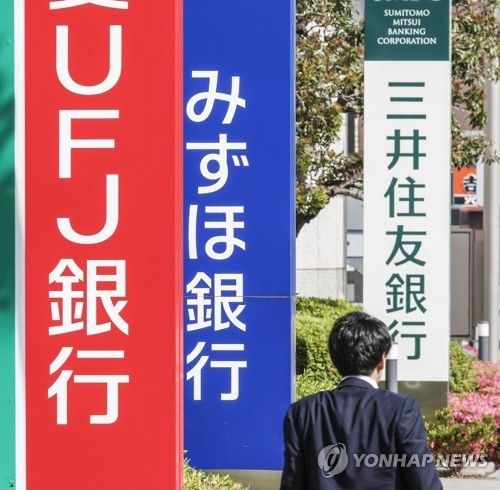
[Financial News, Tokyo = Seo Hye-jin, correspondent] Japan's banking sector will reduce hiring of new college graduates next year for the first time in five years. The move comes as artificial intelligence speeds up work efficiency and wage increases have helped lower turnover among younger employees. Banks are shifting their hiring strategy away from large-scale regular recruitment and toward selectively securing specialists in areas such as IT and asset management.
According to Nihon Keizai Shimbun on the 24th, the 2027 hiring plans of Japan's three major megabanks — MUFG Bank, SMBC Trust Bank, and Mizuho Financial Group — total 2,180 new employees. That is 4.8% fewer than the number hired this spring.
One of the banks said that efficiency gains from the use of AI affected the size of its hiring plan. It added that if AI takes over a wider range of simple and repetitive tasks, recruitment could fall further in the future.
This round of hiring cuts is different from those in the past. From the late 2010s, when negative interest rates persisted, through fiscal 2023, Japan's three major megabanks sharply reduced new hiring as they pushed branch consolidations. At the time, the cuts were largely a response to deteriorating profitability. This time, however, banks are reducing hiring even as earnings improve on the back of higher interest rates.
The decline is spreading across the banking sector. According to the BOJ's Tankan survey of June, new graduate hiring in the banking industry is expected to fall 2.9% from a year earlier in fiscal 2027. It will be the first time in five years, since fiscal 2022, that banking-sector hiring has come in below the previous year.
Lower turnover among younger workers is another major reason for the cutback in recruitment. According to the MHLW, the monthly scheduled pay for new college graduates in finance and insurance will reach 266,700 yen in 2025, up 46,200 yen from 2020. As starting salaries have risen quickly and more employees are being assigned to departments that match their preferences, early resignations have declined.
Hyakugo Bank, based in Mie Prefecture, hired around 120 people each in fiscal 2025 and 2026, but plans to cut that to 100 in fiscal 2027. Thanks to higher starting pay and other measures, the turnover rate within three years of joining the bank has fallen to 10% from more than 20% five years ago.
A Hyakugo Bank official said, "As we return to an era with interest rates, students' preference for financial institutions is recovering." The bank also increased interviews and reflected employees' preferences and personal circumstances as much as possible in first department assignments, which helped improve retention.
Kansai Mirai Bank also scaled back its hiring plan for next year after more young employees stayed longer and the rate of offer declines came in lower than expected. In particular, as more students say they want to contribute to their local communities, the bank is emphasizing community-based initiatives such as support for family business succession and financial education at recruitment briefings.
Kagoshima Bank has set its spring 2027 new graduate hiring target at 110, down 24% from a year earlier. Starting pay for college and graduate school graduates will be 285,000 yen, up 80,000 yen from fiscal 2022. The bank also expects fewer retirements as it gradually extends the mandatory retirement age for certain positions, which has also affected the decision to cut hiring.
While overall hiring is shrinking, competition to secure specialists is intensifying. Banks are separately running specialist tracks in IT, global business, and asset management during new graduate recruitment, while also expanding mid-career hiring for workers who can be deployed immediately. The three major megabanks are expected to hire a total of 1,300 mid-career employees in fiscal 2026, up 2.7% from a year earlier.
[email protected] Seo Hye-jin Reporter