Joseph Lubin to Visit Seoul for the First Time in 7 Years... S&P DeFi Chief Also Joins KBW [Crypto Briefing]
- Input
- 2026-08-24 14:55:38
- Updated
- 2026-08-24 14:55:38
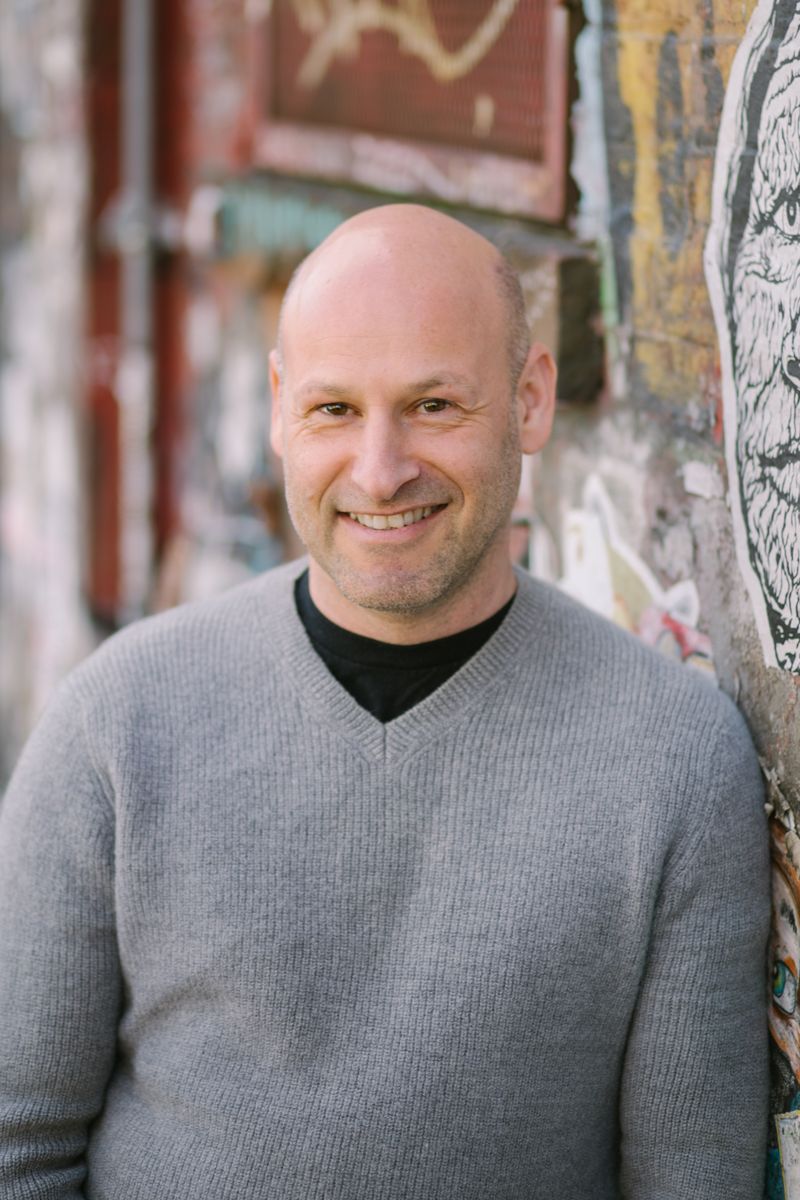
[Financial News] Joseph Lubin, co-founder of Ethereum and co-founder and CEO of ConsenSys, will speak at 'KBW 2026 with Upbit (KBW 2026)' in Seoul next month.photoLubin's visit to Korea will be his first in seven years, since 2019. Charles Jansen, managing director at S&P Global, who oversees the transition to decentralized finance, including tokenized funds, has also joined the speaker lineup. As a result, institutional investors' participation in the on-chain market is expected to be a major topic of discussion.
■ Joseph Lubin returns to Korea after 7 yearsAccording to FACTBLOCK, the organizer of KBW, Lubin will attend the main conference of KBW 2026, which will be held from Sept. 30 to Oct. 1 at Walkerhill Hotels & Resorts in Gwangjin District, Seoul.
After co-founding Ethereum with Vitalik Buterin and others, Lubin founded ConsenSys, a global blockchain software company. ConsenSys has developed and operated MetaMask, a virtual asset wallet, as well as Infura, an Ethereum infrastructure service. Through Ethereum Institutional, a nonprofit launched recently, it is also helping banks, asset managers and custodians adopt Ethereum.
As the Ethereum ecosystem expands beyond virtual asset trading into financial infrastructure such as stablecoins and Real-World Asset (RWA) tokenization, attention is also turning to Lubin's remarks. According to Hana Securities Research Center, the global supply of stablecoins stood at $302.2 billion as of the latest tally, up 1.6% from 30 days earlier. Over the same period, the value of RWA issuance rose 2.1% to $38.3 billion.
Ethereum accounts for about 50% of stablecoin issuance across blockchains, maintaining the largest share of stablecoins pegged to major fiat currencies such as the U.S. dollar. Ethereum also leads the RWA market with a share of about 45%.
Recent cryptocurrency price trends also show clear strength in Ethereum and some on-chain finance-related assets. According to weekly indicators from Upbit Data Lab for Aug. 17-23, the Upbit Composite Index rose 18.25% from the previous week to 10,924.4. During the same period, Ethereum climbed 27.19% and Bitcoin gained 19.70%. Stablecoin-linked assets posted a weekly return of 49.01%.
The trend of applying traditional finance risk assessment systems to the on-chain market is also continuing. S&P Global has established a stability evaluation framework for major stablecoins and is expanding its analysis and assessment coverage to virtual assets such as tokenized funds.
■ Global Web3 leaders gather at KBWAs a result, KBW 2026 next month is expected to cover not only RWA, stablecoins and institutional investors' entry into the on-chain market, but also risk assessment for tokenized assets and payment and settlement infrastructure. This reflects the market's expansion from blockchain technology, services and virtual assets into the asset management, valuation, payment and settlement areas of traditional finance.
Park Wi-ik, CEO of FACTBLOCK, said, "At a major turning point where blockchain technology is becoming a practical infrastructure for finance and capital markets, global Web3 leaders will gather at KBW 2026 to discuss the next stage."
However, the business expansion of global financial institutions and blockchain companies does not directly lead to an expansion of virtual asset businesses by domestic financial firms. In Korea, the issuance and distribution framework for won-based stablecoins and the scope of virtual asset-related business activities for financial companies are still in the process of being institutionalized.
An industry source said, "It is necessary to distinguish between the expanding institutional on-chain finance cases overseas and the domestic regulatory environment," adding, "How global financial institutions are applying stablecoins, RWA and on-chain payments and settlement to their businesses can serve as an important guide for Korean financial firms as they review their future business direction."
[email protected] Kim Mi-hee Reporter