Samsung automotive memory will be used in Google's Waymo next-generation autonomous vehicle
- Input
- 2026-08-23 18:33:45
- Updated
- 2026-08-23 18:33:45
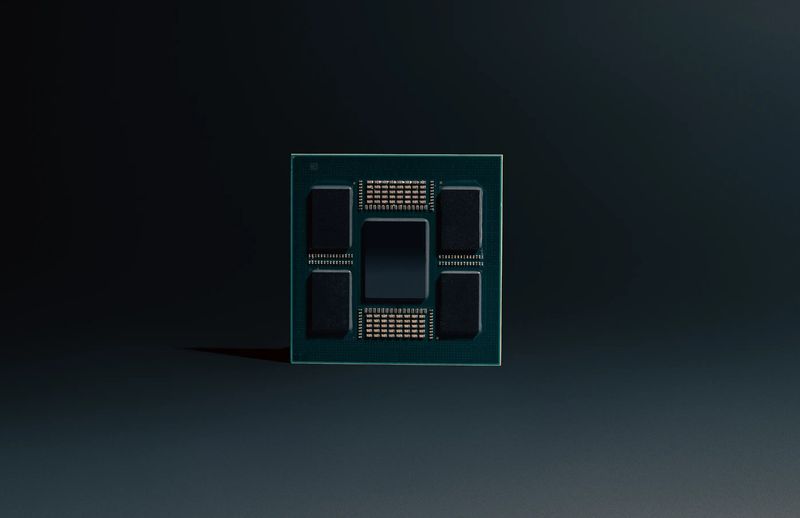
According to industry sources on the 23rd, Samsung Electronics' automotive memory solution has been adopted for Waymo's next-generation fully autonomous computing platform. Jo Sang-yeon, head of Samsung Electronics' Device Solutions (DS) Division of Samsung Electronics Americas, recently highlighted Samsung's strengths in memory, foundry and advanced packaging on social media and expressed optimism, saying, "More is to come."
On the 20th local time, Waymo announced the next-generation computing system used in its fully autonomous driving system, Waymo Driver, and named Samsung Electronics, AMD, Micron Technology, NVIDIA, SanDisk and TSMC as partners. Industry sources said Samsung Electronics supplies memory for Waymo's autonomous driving system among them.
The 5-nanometer ASIC that Waymo said it designed in-house processes data from cameras, LiDAR and radar in real time inside the vehicle. It delivers more than 1,000 TOPS of machine learning performance. As autonomous driving computing becomes more advanced, the role of high-performance memory that can quickly process and store large volumes of data is also growing. With the spread of autonomous driving and SDVs, the use cases for automotive memory are expanding beyond infotainment to ADAS, in-vehicle AI and autonomous driving computing.
Samsung Electronics is also strengthening its automotive memory lineup in response to changes in customer demand. Since entering the automotive memory market in 2015, Samsung Electronics has expanded its product lineup to include low-power DRAM such as LPDDR5X for automotive use, as well as NAND flash-based storage devices such as UFS for infotainment and ADAS applications. This year, it became the first in the industry to develop UFS 5.0 optimized for on-device AI, with mass production scheduled for the end of the year. The company is also stepping up its automotive system semiconductor business. A representative product is the Exynos Auto processor. In 2023, Samsung Electronics signed a supply partnership with Hyundai Motor Company for the Exynos Auto V920, which is to be installed in next-generation infotainment systems.
Samsung Electronics and Waymo are expected to broaden their cooperation into the foundry business as well. Samsung Electronics operates the 5-nanometer-based SF5A process, a production line for automotive semiconductors, and is seeking orders for ADAS and autonomous driving chips. Waymo is also strengthening its own semiconductor development, raising the possibility that the two companies will expand their ties beyond memory into foundry and advanced packaging. An industry official said, "As Waymo expands its in-house semiconductor development, demand for cooperation may grow not only in memory to support it, but also in contract manufacturing and packaging. Since Samsung Electronics has businesses ranging from memory to foundry, the scope of cooperation could widen in the future."
[email protected] Lim Su-bin Reporter