NVIDIA to Raise AI Server Prices by 15% Next Year Amid Memory Chip Shortage
- Input
- 2026-08-23 13:48:18
- Updated
- 2026-08-23 13:48:18
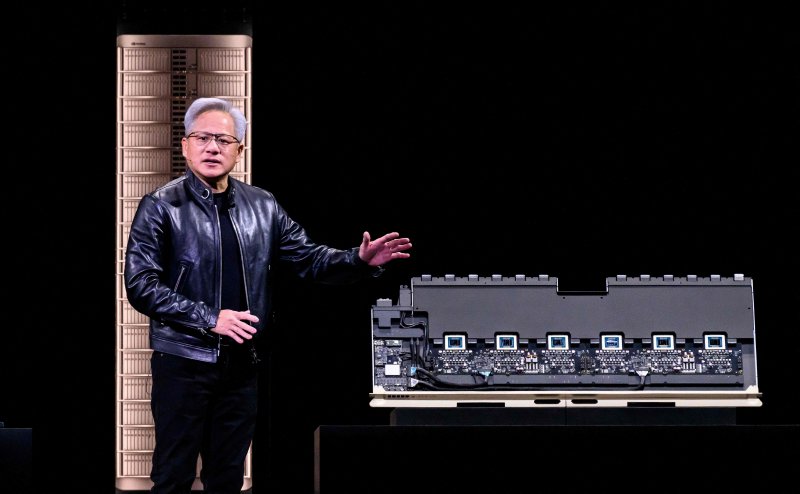
[Financial News] NVIDIA Corporation, the U.S. company leading the global artificial intelligence (AI) semiconductor market, plans to raise the price of its AI server products by at least 15% starting next year. The increase is believed to stem from higher costs caused by rising memory semiconductor prices.
Citing industry sources, U.S. business outlet CNBC and other foreign media reported on the 22nd (local time) that NVIDIA recently informed major clients of a price increase for servers equipped with AI graphics processing units (GPUs). The affected products include servers powered by flagship GPUs such as 'Vera Rubin' and 'Grace Blackwell.' The price hike is estimated at more than 15% and will apply to products shipped early next year. Exact prices are expected to vary depending on the GPU and memory semiconductor configuration installed in each server.
Foreign media said the background to the increase is the rise in memory semiconductor prices. NVIDIA's AI products currently combine its in-house GPUs with memory semiconductors made by other companies.
Earlier, the three major memory semiconductor makers, including Samsung Electronics, SK hynix, and Micron Technology, Inc. in the United States, have been raising memory chip prices as demand has surged amid the AI boom. Apple Inc. and Qualcomm have already increased product prices, citing chip shortages.
Some media outlets said memory semiconductor companies hold enormous influence in the AI industry. Some AI companies, including Google Experience Center and Meta Platforms Inc., are developing their own AI hardware instead of using NVIDIA products, but even if they build their own GPUs, they still need to buy memory semiconductors from outside suppliers.
The price increase is expected to add another negative factor at a time when construction of data centers for AI workloads around the world is already facing delays, labor shortages, worsening capital markets, and local opposition.
[email protected] Park Jong-won Reporter