"Shaken by the KOSPI, Investors Are Also Shaken by the Nasdaq"... Overseas Stock Trading by Korean Retail Investors Slumps
- Input
- 2026-08-23 14:11:11
- Updated
- 2026-08-23 14:11:11
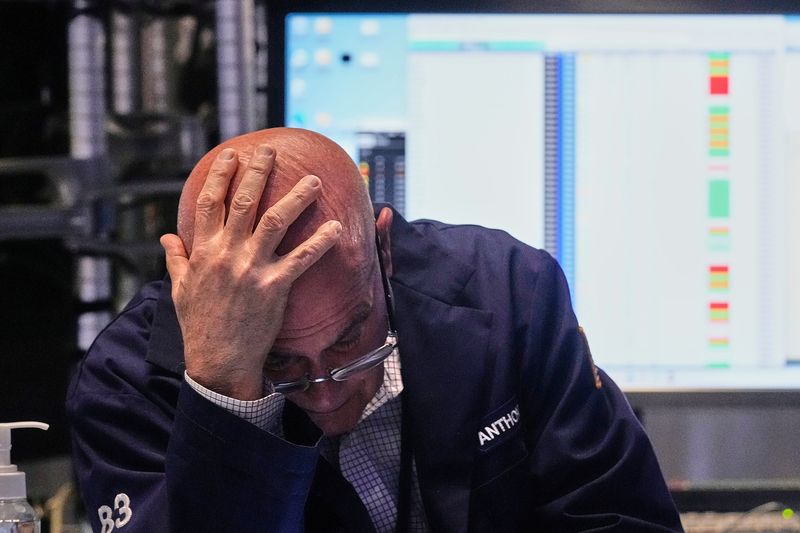
[Financial News] Individual investors rattled by the sharp drop in the domestic stock market are also closing their wallets in overseas markets. Although the New York Stock Exchange hit record highs this month, the trading value of overseas stocks by domestic investors has fallen to its lowest level of the year.■ Foreign-currency settlement trading value hits year-to-date lowAccording to data from KSD on the 23rd, the average daily settlement amount for overseas stocks by domestic investors from the 1st to the 21st of this month came to $2.0224 billion, or about 2.807 trillion won. The settlement amount is the combined total of purchases and sales.
This month's trading value is the lowest so far this year. The average daily settlement amount for overseas stocks this year stands at $2.48649 billion, or 3.4512 trillion won. It started at $2.405 billion in January and rose to as much as $3.1543 billion in June, when domestic and overseas markets were at their peak. But it plunged to $2.2015 billion last month, and this month the average daily trading value fell below 3 trillion won. Compared with the June peak, it has shrunk to about two-thirds in just two months.
U.S. stocks, which account for most of Korean retail investors' overseas trading, also hit their lowest level of the year. The average daily settlement amount for U.S. stocks fell from $2.9833 billion in June to $2.0861 billion in July and $1.9498 billion in August.
Net buying of overseas stocks also dropped sharply. The average daily net purchase amount this month was $56.7 million, keeping a buying bias, but that was down 71.6% from $199.3 million last month. The trend suggests that more investors are watching the market and managing existing holdings rather than aggressively buying stocks.■ "A market where stock selection is difficult"This stands in contrast to the recovery in U.S. equities. On the 21st local time, the Standard & Poor's 500 Index (S&P 500 Index) closed at 7,674.37, while the NASDAQ Composite Index finished at 26,180.45. The S&P 500 set a new all-time high of 7,798.99 on the 13th, and the Nasdaq also climbed back above the 26,000 level.
Despite the rebound in the indices, many analysts say domestic investors' sentiment has not recovered. Above all, it remains difficult to pick individual stocks.
Ahn Seok-hoon, head of the investment content team in the retail platform division at KIWOOM Securities Co., Ltd., said, "The U.S. market's recovery was led by big tech companies with strong earnings, but they are already seen as expensive stocks, so additional buying is a burden. SpaceX and recently listed names favored by Korean investors have also fallen relatively sharply in price," adding, "It is hard to add more to existing portfolio holdings, and there are not many standout stocks worth buying now, so investors are staying on the sidelines."
An industry source in the fund sector said, "Trading across sectors and themes in the ETF market is also slowing," and added, "Investor sentiment remains subdued after the sharp declines and volatile market conditions of the past month or two."
The exchange rate and Treasury yields are also adding to the uncertainty. The U.S. 10-year Treasury yield has risen to 4.73%, and the 30-year yield to 5.27%, increasing pressure on valuations for growth stocks.
A source in the financial investment industry explained, "As the won–dollar exchange rate has moved down from the 1,500 won range to the 1,300 won range, dollar-denominated settlement amounts may also appear smaller to some extent." The source added, "But investors who suffered losses in the domestic market have less room to convert won into dollars and make additional investments in overseas stocks, and concerns over long-term U.S. interest rates remain."
[email protected] Han Young-joon Reporter