Basic Pension Cut by 80.4 Billion Won Over Four Years Due to NPS Benefits
- Input
- 2026-08-23 09:30:56
- Updated
- 2026-08-23 09:30:56
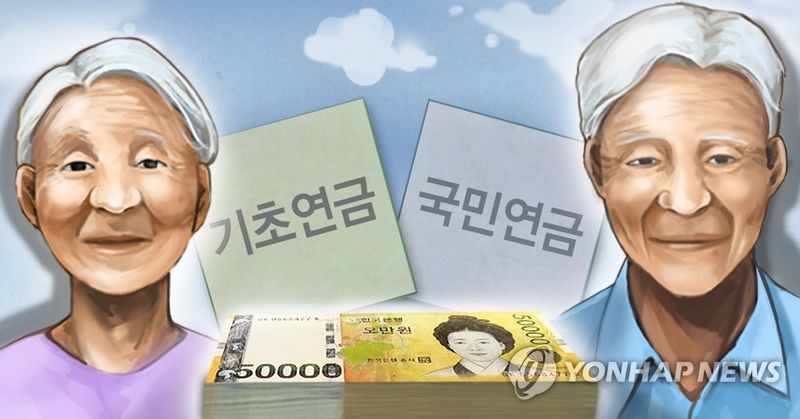
According to the National Assembly Budget Office (NABO) on the 23rd, the total amount of Basic Pension cuts linked to NPS benefits stood at 80,440.62 million won as of the end of last year. That was 2.9 times the 27,615.74 million won recorded in 2021. As a result, the number of recipients whose Basic Pension was reduced reached 842,000 at the end of last year, more than double the 389,000 recorded at the end of 2021.
Under the current Basic Pension system, NPS benefits are reflected in income recognition, and payments are reduced if they exceed a certain threshold. In principle, the NPS is a contributory social insurance pension based on premiums, while the Basic Pension is a non-contributory public assistance benefit funded by taxes. However, the longer a person has been enrolled in the NPS, or the higher their benefit amount, the greater the chance that their Basic Pension will be reduced. In practice, the two systems operate in a linked structure.
Some in the industry say these reductions are likely to increase as the population ages rapidly and the NPS system becomes more advanced. Oh Geon-ho, co-chair of My Welfare State, said, "As more people remain enrolled in the NPS for longer periods, the number of people subject to Basic Pension cuts will also rise." He added, "Since they are at the center of the labor market and receive NPS benefits, Basic Pension cuts could be justified in the name of solidarity." He also argued, "If the contribution rate rises in the future and NPS benefits are reduced, then I believe it would be right to abolish the reduction system."
In response, the National Assembly Budget Office (NABO) emphasized, "The relationship between the Basic Pension and the NPS should not be viewed as a simple matter of benefit adjustment, but rather from the perspective of the overall structure and division of roles within the public pension system." It added, "In the long term, the Basic Pension should focus more on its minimum income guarantee function, while the NPS should clearly define its role in providing income security based on premium contributions."
[email protected] Song Ji-won Reporter