U.S.-Canada Trade Talks Collapse... Trump’s New Tariffs Become Reality, While Canadian PM Vows Dollar-for-Dollar Retaliation
- Input
- 2026-08-22 13:29:05
- Updated
- 2026-08-22 13:29:05
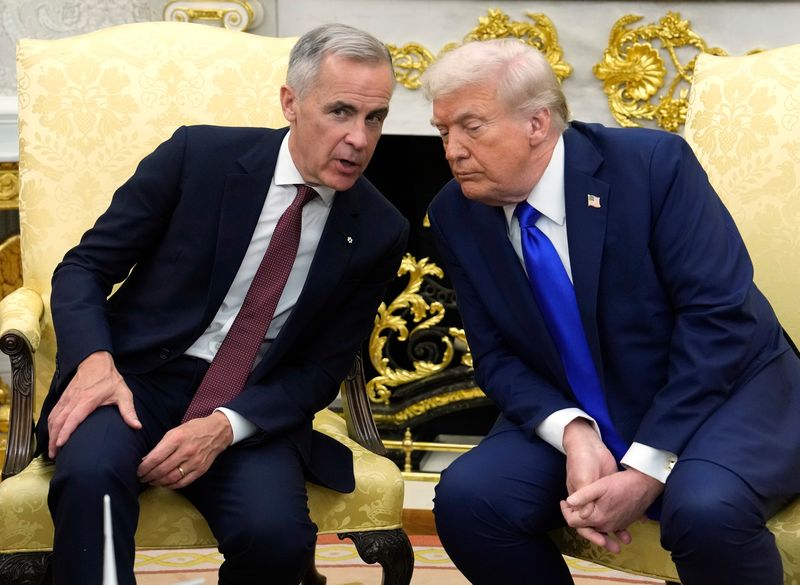
[Financial News] As trade talks between the United States and Canada collapsed, tariffs threatened by President Trump have taken effect on some items. The Canadian prime minister said the United States had changed the tariff terms and vowed to respond dollar for dollar, raising the likelihood of renewed trade friction between the two countries.
On the 22nd, foreign media reported that Jamieson Greer, the USTR chief, announced the breakdown in talks and said Canada had refused to finalize the agreement under the terms agreed earlier this week. Negotiations continued until the last minute, but both sides appeared to remain far apart on their demands.
Earlier, President Trump warned that he would impose a 50% tariff on Canadian imports, saying Canada was continuing to discriminate against U.S. products in areas such as automobiles, liquor, and dairy.
The tariff was reportedly announced by the U.S. administration under Section 338. It covers a wide range of products, including wine, dairy goods, various manufactured items, and sporting goods. Legal advisers and industry sources have also said the measure appears to be aimed primarily at the dairy and liquor sectors.
The two countries held marathon negotiations ahead of the tariff deadline. Canada sought to delay the tariffs and lift duties already imposed on some items, including automobiles and steel. The United States, meanwhile, pushed for an end to boycott movements against American liquor that had been discussed or carried out in Canada. After a phone call with Canadian Prime Minister Mark Carney, Trump said he would temporarily suspend the tariffs and continue negotiations.
Trump was also reported to have halted enforcement of the new 50% tariff for the past three days. Even then, observers said it was difficult to conclude that the two sides had reached a complete agreement. The New York Times reported that Carney and key Canadian officials were hopeful for a deal but remained closely watchful of the situation. Other reports noted that the tariff threat covered about $20 billion worth of goods and, while it may not account for a large share of Canada's exports to the United States, the impact would spread across multiple industries.
Foreign media said the tariffs ultimately took effect on some items after the talks collapsed. In particular, Carney criticized the United States for changing the terms it had proposed at the last minute and stressed that Canada would respond dollar for dollar. The move is being read as a signal that if the United States uses tariffs simply as a pressure tactic, Canada could again turn to retaliatory tariffs to offset market shocks.
Canada has already used retaliatory tariffs in previous disputes with the United States. According to reports and statistical data, Canada has maintained retaliatory tariffs of around 25% on U.S. steel, aluminum, and automobiles. For companies that must plan factory operations and export strategies, tariff uncertainty like this inevitably disrupts pricing pass-through and supply chain planning.
If the trade war drags on, pressure on the real economy and prices could also spread. Analysts have said that Canadian tariffs have coincided with a sharp rise in aluminum prices in the United States. PBS reported remarks suggesting that Canadian measures helped push U.S. aluminum prices up by 58%. Such cost increases could raise production expenses across manufacturing and burden both countries.
With Trump’s new tariffs now becoming reality after the collapse of the talks, both countries are expected to focus on managing the immediate short-term shock while recalculating how to reshape the terms each side is offering. Canada, which has vowed dollar-for-dollar retaliation, and the question of whether the United States will adjust its negotiating position again are likely to determine the market’s next direction.
[email protected] Kang Gu-gwi Reporter