"Has the AI selling pressure ended?" Citadel sells 80% of SA holdings
- Input
- 2026-08-22 04:32:06
- Updated
- 2026-08-22 04:32:06
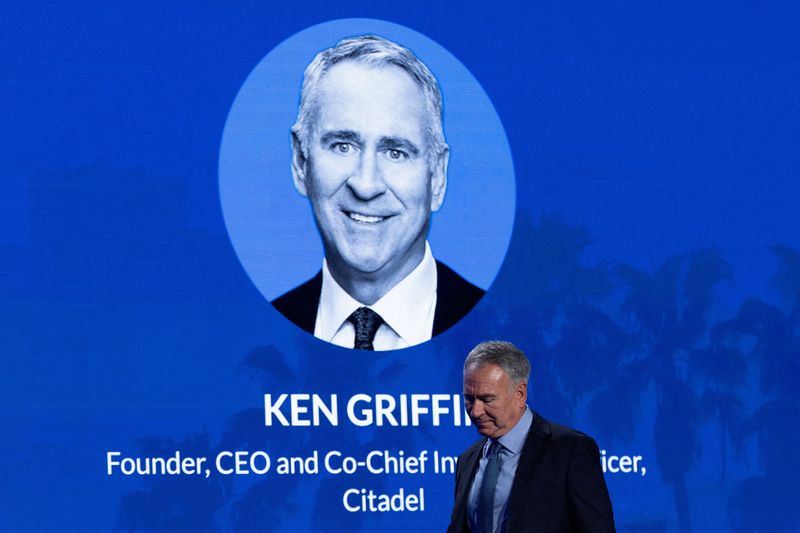
A support base has emerged to help build a floor under artificial intelligence-related stocks. On the 21st local time, it was confirmed that the stock sales by hedge fund Situational Awareness (SA), which had been cited as one of the main reasons behind the selling pressure, were effectively complete.
Citadel sells $4 billion in three weeks
According to the Financial Times (FT), CNBC and other foreign media outlets, Kenneth C. Griffin, founder of hedge fund Citadel, which acquired SA, told clients in a letter that Citadel had cut the overall risk of the portfolio it took over from SA by more than 80%. Griffin said the risk was reduced through more than 100 block trades, adding that the market value exceeded $4 billion, or about 5.54 trillion won.
In other words, SA sold more than 80% of the stocks it held, worth more than $4 billion at market value.
FT reported that selling more than $4 billion worth of shares in just three weeks suggests Citadel shifted to selling and locked in enormous profits from AI stocks. AI-related shares rebounded after Citadel completed its deal with SA late last month.
"The failed investment of the 'AI Nostradamus'"
The hedge fund SA had emerged as a source of market concern as it focused on the AI trade. Founded by 24-year-old Leopold Aschenbrenner, a former OpenAI researcher who was fired from the company, SA took long positions in AI-related stocks and short positions in legacy software names expected to be hurt by AI.
SA, an AI-focused fund founded by Aschenbrenner, who had no Wall Street experience, grew rapidly in just two years to well over $20 billion in assets under management. The founder's nickname, the "Nostradamus of AI," reflected that rise. Backed by an extensive Silicon Valley network, he continued making bold bets, convinced of explosive growth in the AI industry.
However, while AI infrastructure stocks were cut in half in June and July, software stocks that had been shorted rebounded, leading to massive losses on both the long positions in AI-related names and the short positions in software. The fund then faced forced sales amid margin calls and was pushed to the brink of collapse.
"Wall Street's biggest bailout... and conspiracy theories"
Citadel began negotiations at the end of July and acquired a large block of SA's stock assets after the fund was pushed into a forced-sale crisis.
On Wall Street, conspiracy theories also circulated that Griffin may have stoked the crisis by encouraging sales of AI-related stocks in order to buy SA's assets at a bargain price.
In any case, Citadel's acquisition went down as one of the largest rescue deals in Wall Street history.
According to FT, Citadel acquired SA's stock assets at about a 10% discount and later sold them after the market stabilized, reaping huge profits.
[email protected] Song Kyung-jae Reporter