Japan's households and companies rush out of yen amid weak-yen fears, foreign currency deposits jump by 4 trillion yen
- Input
- 2026-08-21 10:20:00
- Updated
- 2026-08-21 10:20:00
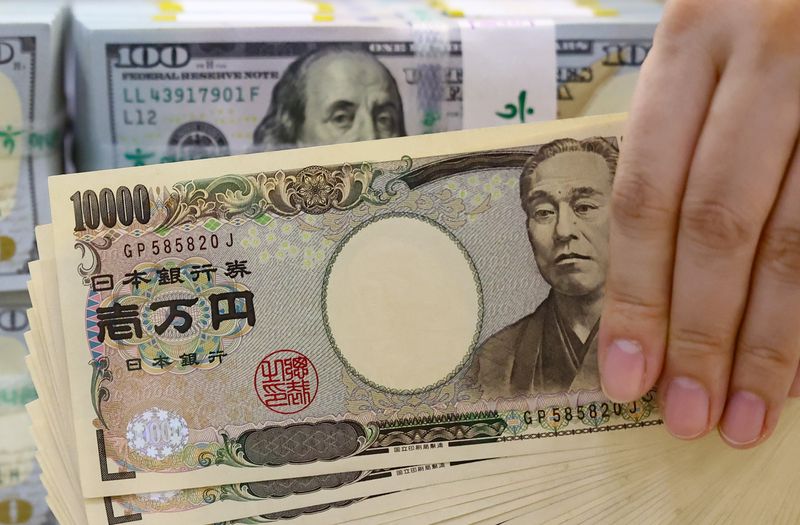
[Financial News, Tokyo = Reporter Seo Hye-jin] Foreign currency deposits held by households and companies in Japan rose by nearly 4 trillion Japanese Yen over the past three months, marking the largest increase on record. The move reflects a growing effort by individuals to shift assets into foreign currencies and by exporters to hold on to the USD they earn instead of converting it into Japanese Yen, as they brace for further declines in the currency. The resulting asset shift, driven by fears of a weaker yen, is clearly reinforcing pressure to sell the currency again.
According to an analysis of BOJ data by Nihon Keizai Shimbun on the 21st, the average balance of foreign currency deposits at domestic banks in Japan in April-June this year stood at 26.1 trillion Japanese Yen, up 18% from a year earlier. The increase of 3.9772 trillion Japanese Yen was the largest since foreign currency deposits were fully liberalized in 1998. Even after excluding the effect of a stronger USD inflating the yen-converted value, the scale of capital inflows was substantial.
The latest increase is more than twice Japan's projected trade deficit of 1.7 trillion Japanese Yen for fiscal 2025. It also exceeds the 3.5 trillion Japanese Yen that the Japanese government and BOJ bought on average per day through foreign exchange market intervention from 2022 to 2024.
Individual foreign currency deposits rose 8% to 6.7 trillion Japanese Yen. In the past, Japanese retail investors tended to buy foreign currencies cheaply when the yen was strong. More recently, even amid the record weak yen, they have been increasing their holdings of USD and other foreign currencies to prepare for the possibility of further declines.
Investment that had been concentrated in USD is also spreading to euro and other currencies. SMBC Trust Bank said more customers have been diversifying assets across multiple currencies since the launch of the Trump administration in the United States. Sony Bank's foreign currency deposit balance surpassed 700 billion Japanese Yen in February last year and reached 800 billion Japanese Yen in May, 15 months later.
Overseas securities investment has also surged. Japanese households held 46.4618 trillion Japanese Yen in overseas stocks and other securities as of the end of March, up 23% from a year earlier. Net assets in Mitsubishi UFJ Asset Management's eMAXIS Slim Global Equity fund, which invests in stocks around the world, hit a record 13 trillion Japanese Yen. About 60% of the total investment is allocated to U.S. stocks.
Corporate foreign currency deposits rose 22% to 19.3 trillion Japanese Yen. The increase reflects exporters' decision to delay converting USD received from export payments, as they expect the yen to remain weak. Corporate demand for foreign currencies has also been boosted by companies preparing to expand overseas and by a rise in foreign-currency-denominated bond issuance.
The yen fell to the 163-per-dollar range in July, marking its weakest level in 39 years. Although the Japanese government and BOJ stepped in to buy yen at the end of the same month, the currency's value has fallen to less than half of its 2011 level, when it traded in the 75-per-dollar range.
Market watchers say the expansion of foreign currency assets by households and companies could go beyond a temporary investment trend and lead to structural yen selling. They warn that as demand to buy foreign currencies grows out of concern over the weak yen, the downward pressure on the Japanese currency could become entrenched.
[email protected] Seo Hye-jin Reporter