"Buy and it will rise?"...The rules of data center investment are changing
- Input
- 2026-08-26 14:09:02
- Updated
- 2026-08-26 14:09:02
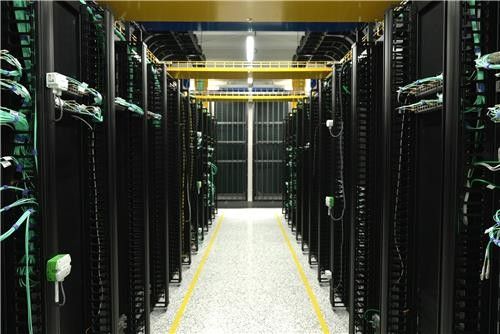
According to CBRE Korea on the 20th, 88% of domestic investors expect data center prices to rise further. That is the highest level of price-growth expectations among major commercial real estate asset classes.
Rents are also climbing. In the Capital Region, rents rose 78.6% over six years, from 140,000 won per kilowatt (kW) in 2019 to 250,000 won in 2025. For assets supplied in 2024-2025, the pre-leasing rate exceeded 99%, effectively creating a shortage.
But market enthusiasm does not automatically translate into high returns. Experts say that as data centers have rapidly become institutional-grade investment assets, the old rule of buying and waiting for prices to rise has reached its limits.
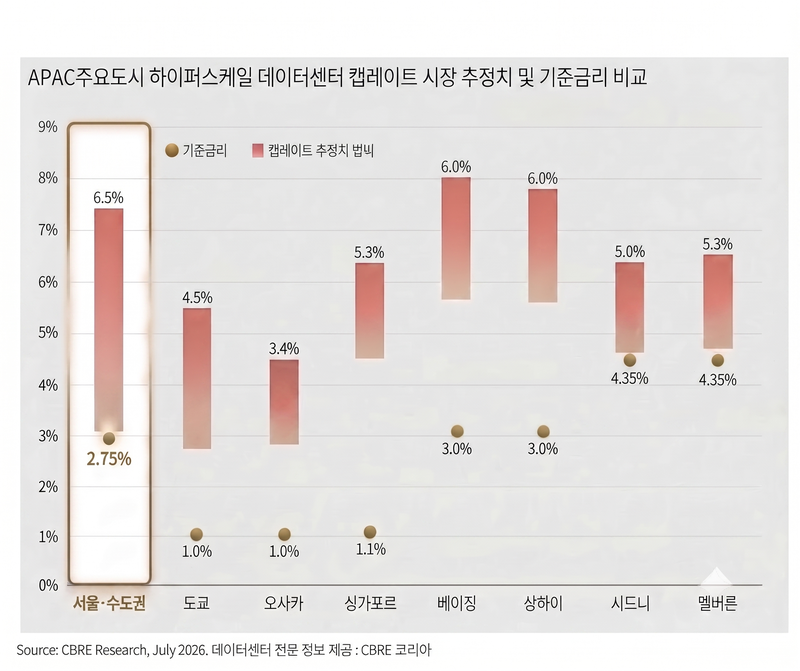
Another reason the calculation is becoming more complicated is the structural limitation of the domestic market, where sharp rent increases are not immediately reflected in NOI. The local data center market is centered on project funds that assume a sale, or exit, within three to seven years. In that process, long-term leasing practices demanded by lenders have often locked initial rent increases at a fixed 2% a year. Even when market rents rise sharply, there has been a time lag before that is reflected in the NOI of individual assets.
Against this backdrop, the industry expects investment performance to depend not simply on how much an asset is bought for and sold for, but on cash flow design variables such as lease term, renewal timing, and exit timing.
Claire Soohye Choi, managing director and head of research at CBRE Korea, said, "How effectively market rent increases are reflected in contract terms will become the key criterion for distinguishing high-quality assets." Sean Sunghyeon Choi, executive vice president and head of capital markets, also noted, "Assets designed with a lease structure that takes into account not only the purchase price but also the NOI growth path and exit timing are likely to receive higher valuations in the investment market."
[email protected] Jemin Kyung Jeon Reporter