Ships Passing Through the Strait of Hormuz Are Hugging the Omani Side... Iran's Influence Has Sharply Declined
- Input
- 2026-08-19 13:38:43
- Updated
- 2026-08-19 13:38:43
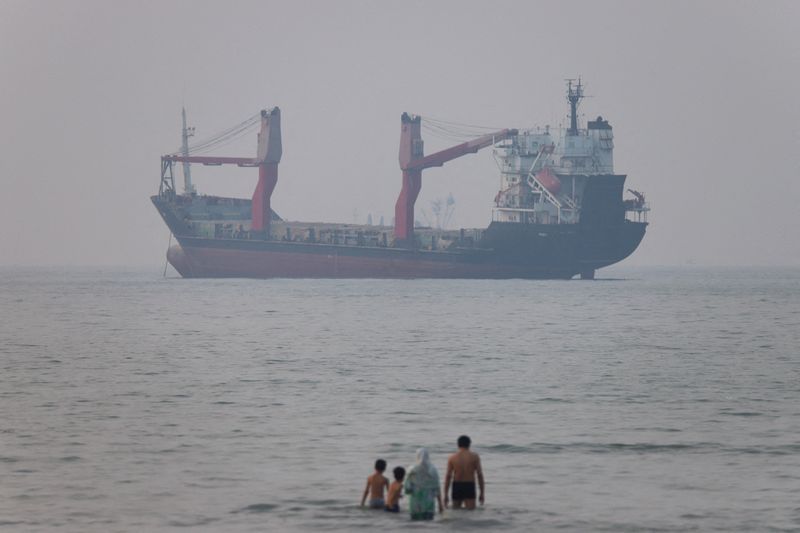
[Financial News] Iran, which last month claimed control of the Strait of Hormuz even at the risk of resuming fighting with the United States, is now being accused of failing to control the waterway in practice. That is because about 80% of ships passing through the strait are using Omani waters instead of Iranian waters.
Cable News Network (CNN) reported on the 18th, citing the U.S. maritime intelligence platform Kpler, that more than 80% of ships crossing the Strait of Hormuz over the past two weeks used the southern route along the Omani coast.
Before the war with Iran began in February, the Strait of Hormuz handled about 25% of the world's maritime oil transport and lies between Iran to the north and Oman to the south. Before the war, ships used the central route through the strait, but Iran made passage difficult by laying a large number of mines when the conflict began. Iran then proposed a new route along its coast and argued that ships seeking passage should move through the northern route under Iranian surveillance. The United States, in response, designated a southern route along the Omani coast and said it would protect ships traveling through the area.
Even after signing a memorandum of understanding with the United States in June to end the war, Iran attacked ships that did not use the northern route and eventually exchanged large-scale long-range strikes with the United States last month. Iran now plans to set up a management system for the strait through talks with Oman, excluding the United States, and has hinted that it may charge tolls or safety service fees for passage.
Kpler said the data released on the 18th came from tracking ship routes using transponders and satellite data. CNN noted that some vessels are sailing with their transponders turned off to avoid Iranian tracking, meaning their actual routes may differ.
Homayoun Falakshahi, head of crude oil analysis at Kpler, said, "The view that Iran has lost at least part of its control over the strait is becoming increasingly dominant."
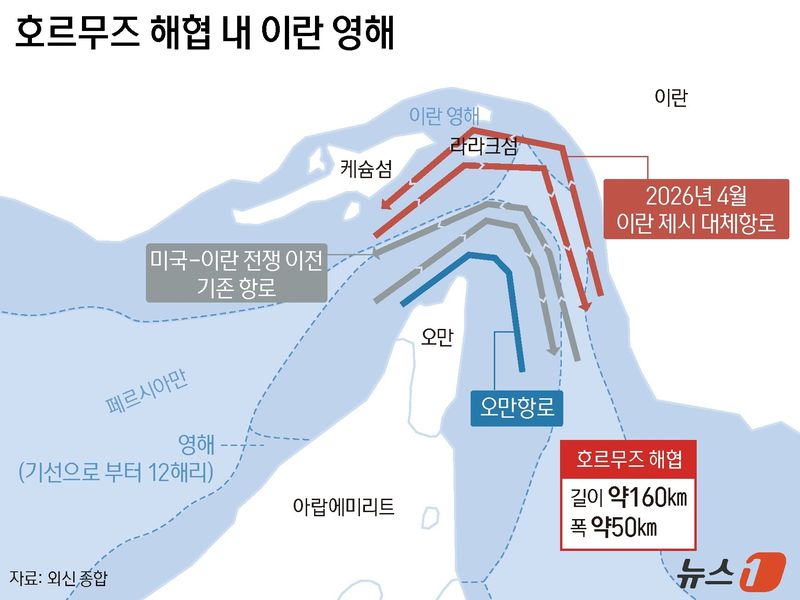
CNN pointed out that just a month ago, when Iran agreed to a ceasefire with the United States and traffic through the strait returned to normal, most ships were using the northern route closer to Iran. Dan Pickering, founder of the U.S. energy finance platform Pickering Energy Partners, said, "Iran's toll collection plan is something Middle Eastern countries have never done and do not want to do." He added, "It is only natural for them to use the Omani route."
The United States and Iran did not immediately engage in combat in the Strait of Hormuz after the 60-day ceasefire ended on the 16th, but both sides claimed they controlled the waterway. In a statement on the 13th, Khatam ol-Anbiya Central Headquarters of the Iranian military said, "We declare that the Strait of Hormuz remains under Iran's full management and control, as it has in the past." It also claimed that "no merchant ship or tanker can safely pass through this strait without the permission and supervision of Iran's powerful military, and it will not be able to do so in the future either."
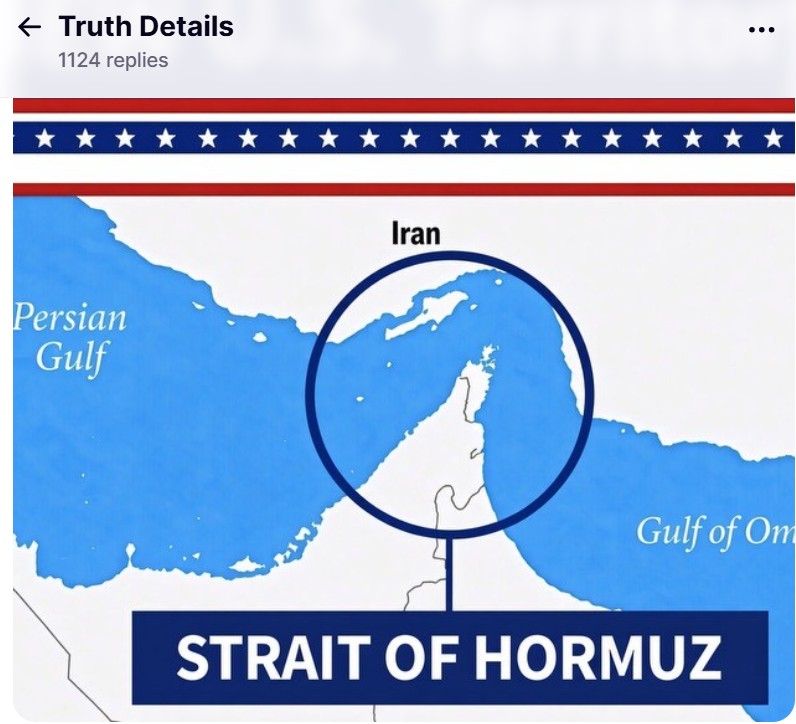
By contrast, U.S. President Donald Trump said the United States controls the Strait of Hormuz and suggested it could even be incorporated into U.S. territory. He repeated the idea on the 14th and 17th, then posted a map of the Strait of Hormuz on Truth Social on the 18th with the caption "new U.S. territory."
Meanwhile, The New York Times reported on the 18th, citing data from UKMTO, that two ships passing through the Strait of Hormuz in recent days were attacked by unidentified projectiles. One of the ships was sailing along a route near Oman.
[email protected] Park Jong-won Reporter